
Floor Looms
Floor looms are the long-term studio choice for weavers who want width, speed, and real multi-shaft pattern range. We stock jack, counterbalance, countermarch and dobby floor looms from Schacht, Louet, LeClerc, Ashford and Glimakra, and our weavers can help you match a loom to your space and to the cloth you actually want to make. Call the shop anytime at (509) 536-7746.
Stepping up from something smaller, or not sure yet? Compare against table looms and rigid heddle looms, or browse our full range of weaving looms.
-

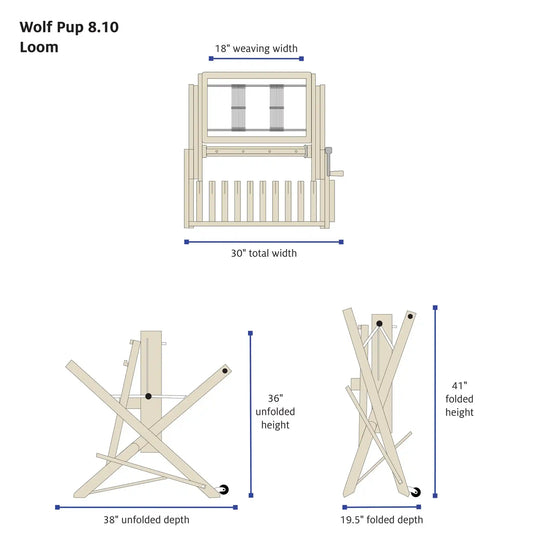
Schacht Wolf Pup 8.10 Loom
Regular price From $2,880.99 USDRegular price -

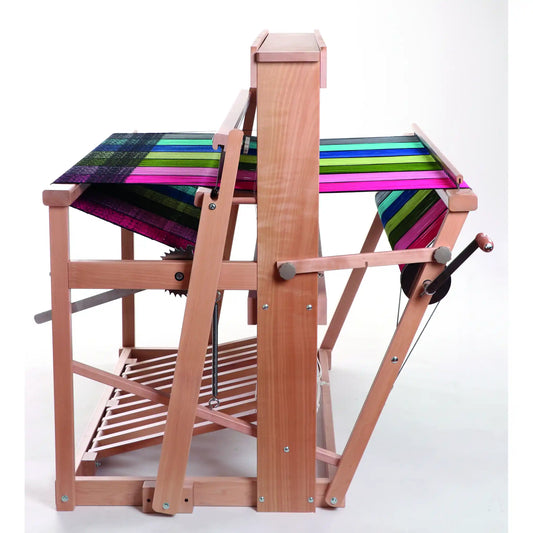
Ashford Jack Loom - 8-Shaft Folding Floor Loom, 38 In
Regular price $4,350.00 USDRegular price -

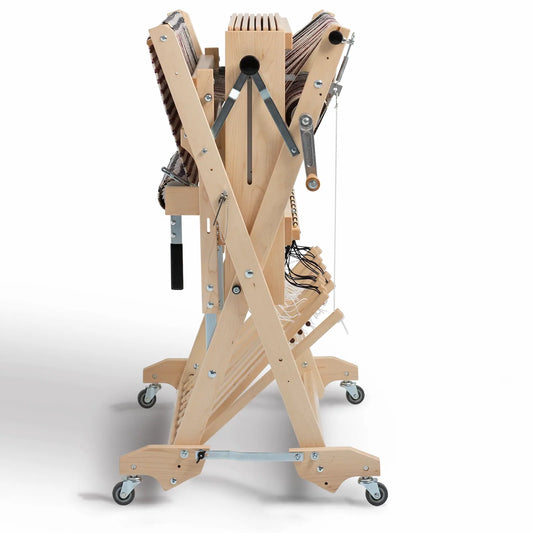
Schacht Baby Wolf Looms
Regular price From $2,385.99 USDRegular price -


Schacht Standard Floor Loom
Regular price From $4,323.99 USDRegular price -

Louet Spring II Floor Loom
Regular price From $7,523.00 USDRegular price -

Louet David III Floor Looms with New Hinged Beater
Regular price From $5,190.00 USDRegular price -

Louet Delta Floor Loom
Regular price From $9,542.00 USDRegular price -
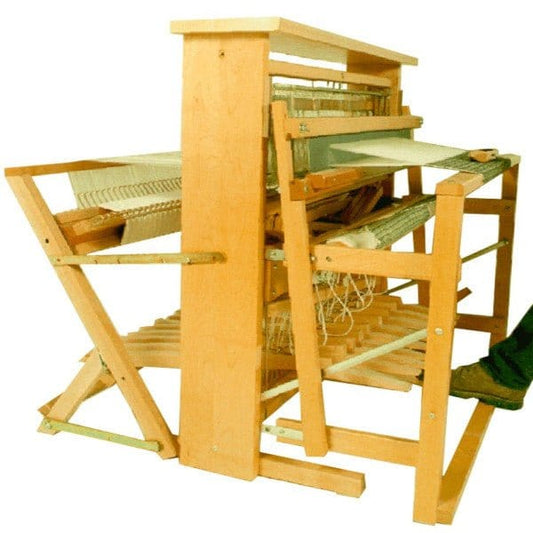
LeClerc Artisat Floor Loom
Regular price From $2,671.00 USDRegular price -

Louet Megado Looms Without Dobby Head
Regular price From $10,790.00 USDRegular price -

Louet Dobby Loom - Octado 70/90/110
Regular price From $9,332.00 USDRegular price -

Glimakra Standard Countermarch Floor Loom
Regular price From $6,200.00 USDRegular price -

Glimakra Standard Counterbalance Floor Loom
Regular price From $5,995.00 USDRegular price -

Glimakra Julia Floor Loom
Regular price From $2,145.00 USDRegular price -

Glimakra Standard 12-16 Shaft Countermarch Floor Loom
Regular price From $8,701.00 USDRegular price


Frequently Asked Questions
You'll want enough room not just for the loom's footprint but also for a bench and space to walk around it while you dress the warp, which usually means a dedicated corner or a whole room depending on the model. A small floor loom or a folding design can tuck into a shared living space and even fold away between sessions, while a large standing loom really wants a permanent home. Measure your space first, then shop, because nothing dampens the joy of a new loom like discovering it won't fit through the door.
The biggest practical difference is that a floor loom uses foot treadles to change the shed, which frees both hands and lets you weave faster and tackle larger, heavier projects like rugs and blankets. A table loom changes sheds with hand levers, is smaller and more portable, and is better suited to lightweight or travel projects. If you mostly want big, ambitious cloth and have the room, a floor loom is the clear pick, whereas a table loom wins on portability and compact storage.
They're more complex than a rigid heddle or table loom, and they often need a few accessories to reach their full potential, so they tend to suit weavers who already have some experience. That said, plenty of motivated beginners do start on a floor loom successfully, especially with good guidance and a bit of patience for the learning curve. If you're unsure, our team can help you decide honestly whether to start small or jump straight in based on your goals and how much you'll weave.
The main types you'll encounter are jack, counterbalance, and countermarch looms, and each handles tension and shed formation a little differently. Jack looms are versatile and beginner-friendly within the floor loom category, counterbalance looms excel at balanced weaves, and countermarch looms are prized for rugs and wide, even-tension work. The best choice comes down to what you intend to weave most, so it's worth telling us about your dream projects before you commit.
A well-made floor loom is built to last for generations and needs only modest care, such as the occasional check on moving parts, light cleaning, and keeping the wood in good condition. You will likely want some accessories over time, like extra shafts, a warping board, bobbins, or specialty reeds, to get the most out of it, but you don't need everything at once. We carry the parts and accessories to keep your loom running, and our in-house repair shop is here if anything ever needs attention.