
Yarn Swifts
The Yarn Swift is Your Winding Companion
No more tangled yarn, get yourself a proper yarn swift for unwinding skeins into balls. Unwind your skeins the easy way with a high-quality American Made Yarn Swift from Paradise.
-


Paradise Fibers Super Swift II - Wooden Yarn Swift
Regular price From $99.00 USDRegular price -
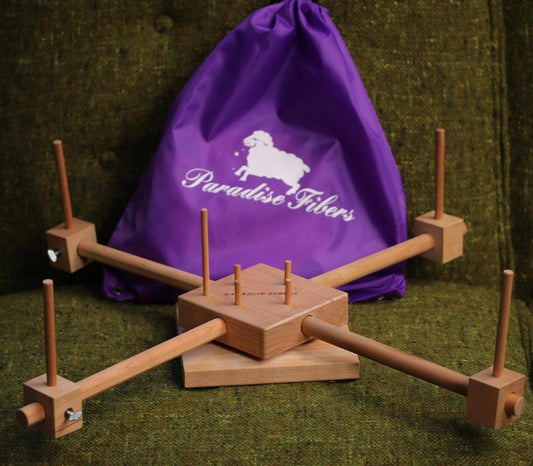
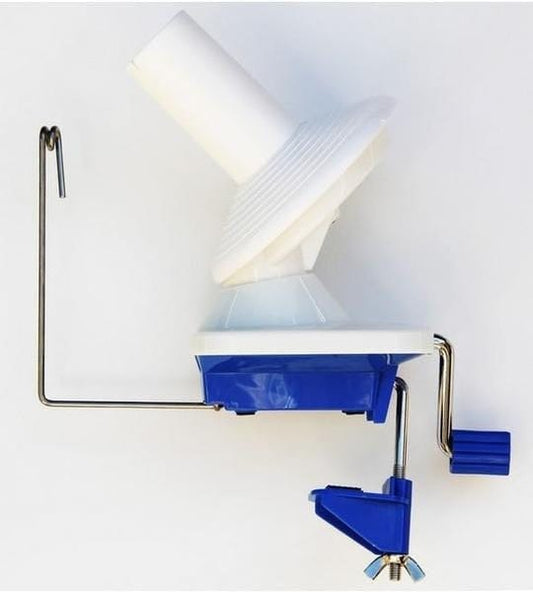
Paradise Fibers Super Swift II & Yarn Ball Winder Special - Deluxe Edition
Regular price From $136.79 USDRegular price$159.99 USDSale price From $136.79 USD14% Sale -

Ashford Wooden Umbrella Swift
Regular price $199.00 USDRegular price -

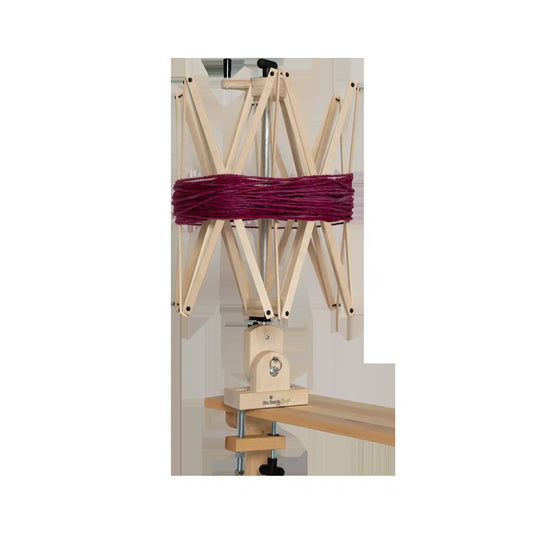
Schacht Ultra Umbrella Swift
Regular price From $374.99 USDRegular price -

Ashford Skeiner 2
Regular price $320.00 USDRegular price -
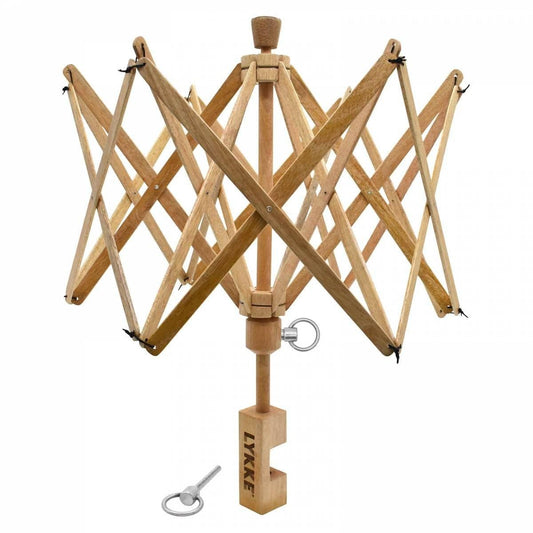
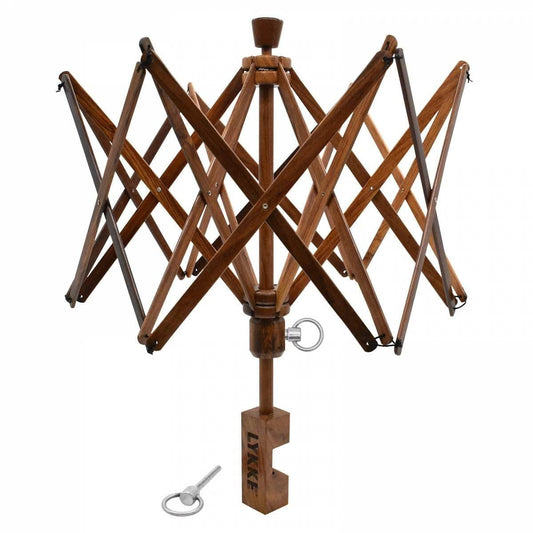
Lykke Wooden Umbrella Swift
Regular price $74.99 USDRegular price -

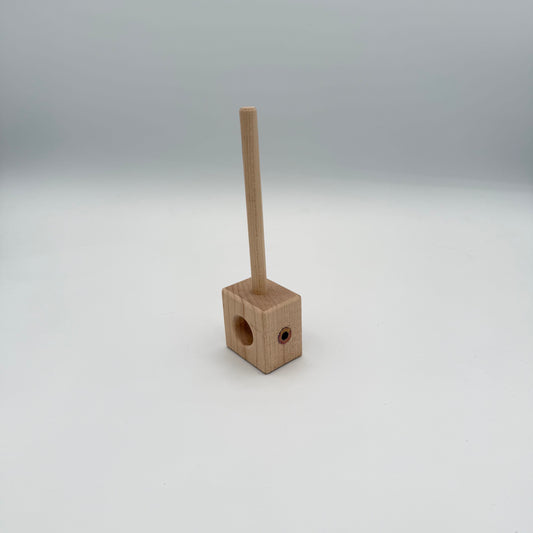
Replacement Arm Block Assembly for Paradise Super Swift
Regular price $9.95 USDRegular price


Frequently Asked Questions
A yarn swift is a rotating tool that holds an open skein of yarn at the correct diameter and tension while you wind it, spinning freely to let yarn feed off without tangling. When you buy yarn in skein form - which is how most quality yarn is sold - it needs to be wound into a ball or cake before you can use it. Without a swift, you either need to hold the skein over your hands (or recruit someone else to hold it), which is slow, tiring, and prone to tangling. A swift makes the winding process fast, hands-free, and almost satisfying. If you buy yarn in skeins with any regularity, a swift is one of those purchases that immediately makes you wonder why you waited.
A yarn swift holds the skein open while a ball winder winds it into a usable cake - they solve different halves of the same problem and are designed to work together. The swift keeps your skein from tangling as it unwinds, and the ball winder transforms the loose yarn into a center pull cake ready to use. You can use a ball winder without a swift (by having someone hold the skein), and you can use a swift without a ball winder (to wind into a hand wound ball), but the two together make a truly seamless system. If budget requires you to choose one first, most knitters find the ball winder slightly more essential for day-to-day use, but a swift makes a noticeable quality of life improvement as soon as you add it.
The two most common styles are the umbrella swift and the amish or table swift. An umbrella swift collapses and expands like an umbrella to accommodate different skein circumferences, mounts to a table edge with a clamp, and rotates on a central hub. It is the most popular style for home use because it is adjustable, compact when folded, and handles a wide range of skein sizes. An amish or table swift has a more traditional wooden spoke design, sits upright on a table, and rotates freely on a post. It is beautiful and functional but typically adjusts over a more limited range of skein diameters. Both work well - the umbrella style is usually the more practical choice for most home crafters.
Most standard umbrella swifts adjust to accommodate skeins from roughly 45 centimeters to 100 centimeters in circumference, which covers the vast majority of commercially available skeins. Very large skeins of bulky or jumbo yarn, or custom wound skeins from a cone, may be larger than a standard swift can open to - in that case, a larger capacity swift or a slower hand-over-hand method may be needed. Very small or unusual skein configurations occasionally need a bit of creative positioning. When in doubt, reach out to us with the skein dimensions and we can tell you whether a specific swift will handle it.
If you buy more than three or four skeins of yarn per year and wind them by hand, a swift is likely worth it even at modest knitting frequency. The alternative - holding a skein over your own hands or knees, or asking someone to hold it while you wind - is genuinely tedious and produces inconsistent results. A basic umbrella swift is not a large investment and lasts for many years. For someone who knits one or two small projects a year from pre-wound balls, the math is different, but most crafters who try a swift find themselves wondering how they managed without one regardless of how much they knit.