
Ball Winders
Turn your skeins into neat, center-pull cakes with a yarn ball winder. We carry manual and electric yarn ball winders from Stanwood, Ashford, Lykke, and Kromski - plus our own Paradise Fibers swift and winder combo. Pair any winder with a yarn swift for the fastest, tangle-free setup. Scroll past the products for our buying guide.
-

Stanwood Needlecraft Hand-Operated Yarn Ball Winder
Regular price From $44.99 USDRegular price -
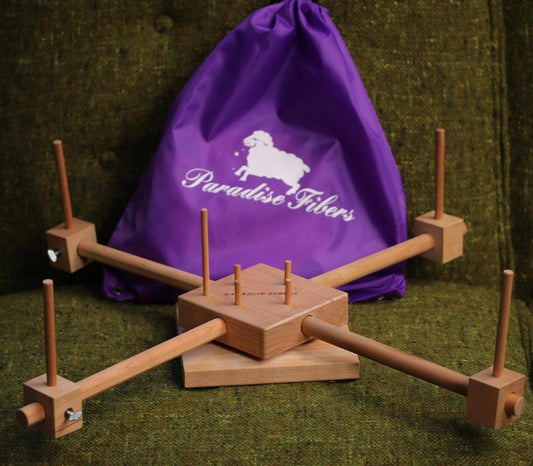
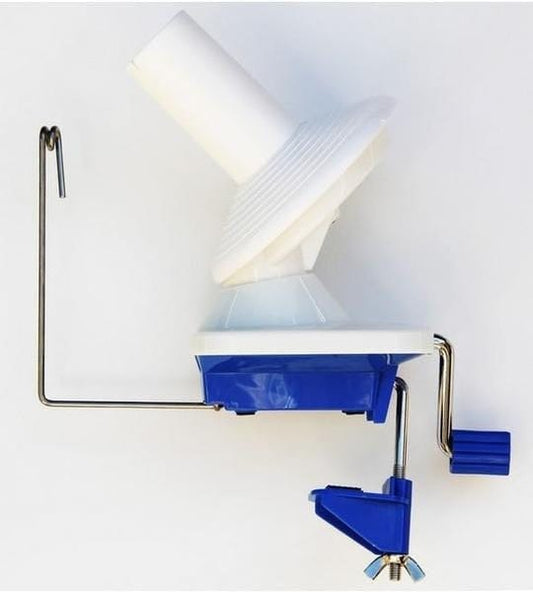
Paradise Fibers Super Swift II & Yarn Ball Winder Special - Deluxe Edition
Regular price From $136.79 USDRegular price$159.99 USDSale price From $136.79 USD14% Sale -
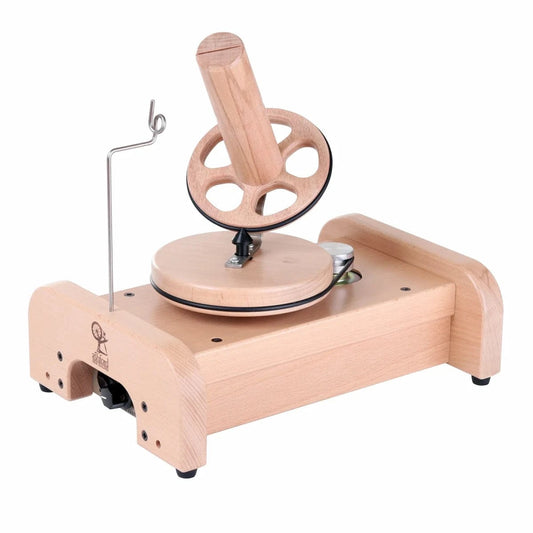
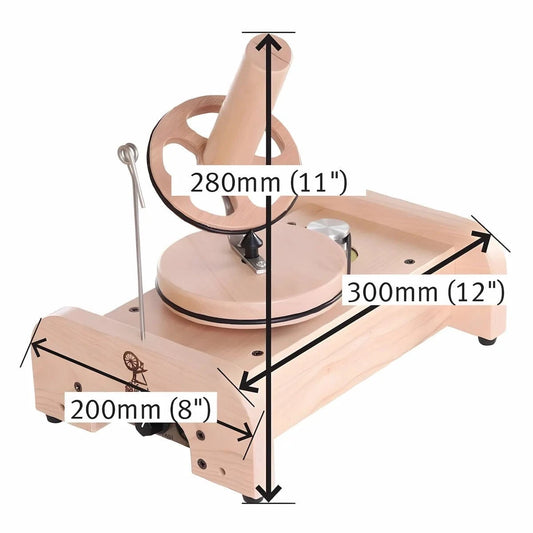
Ashford E-Ball Winder - Electric Yarn Ball Winder with Footswitch
Regular price $649.00 USDRegular price -
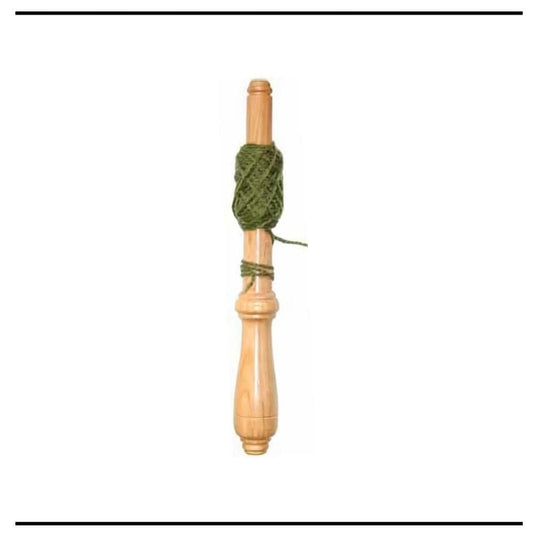

Kromski Nostepinne Yarn Ball Winder
Regular price From $25.00 USDRegular price -

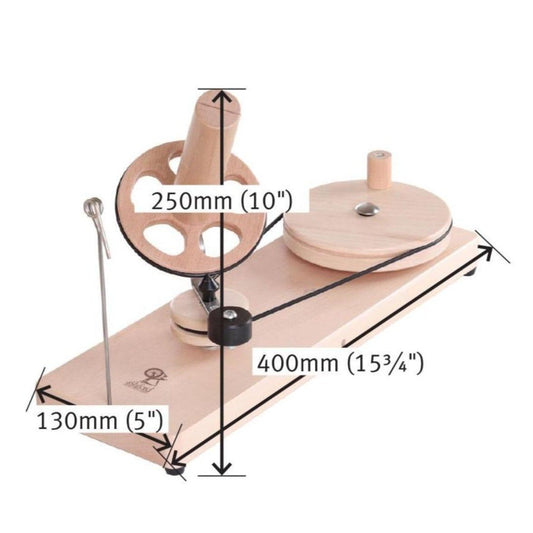
Ashford Ball Winder
Regular price $289.00 USDRegular price -
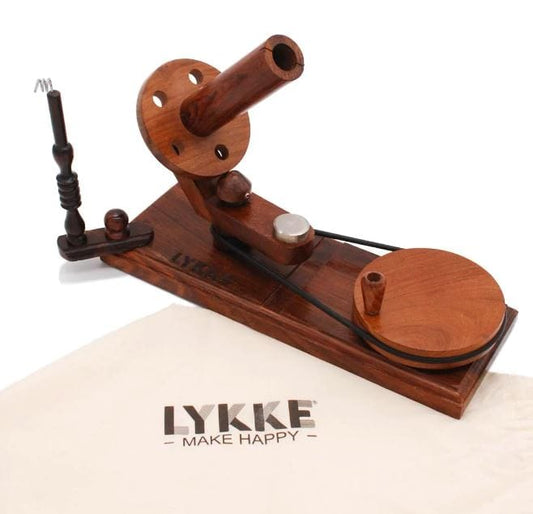
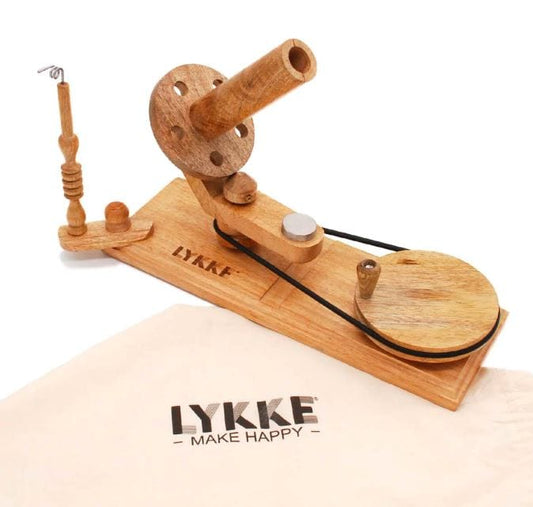
-


Ashford Drive Band Set for e-Ball Winder
Regular price $23.50 USDRegular price -
Lykke Ball Winder Replacement Rubber Belt
Regular price $4.49 USDRegular price -


Ashford Drive Band Set for Ball Winder
Regular price $23.50 USDRegular price -
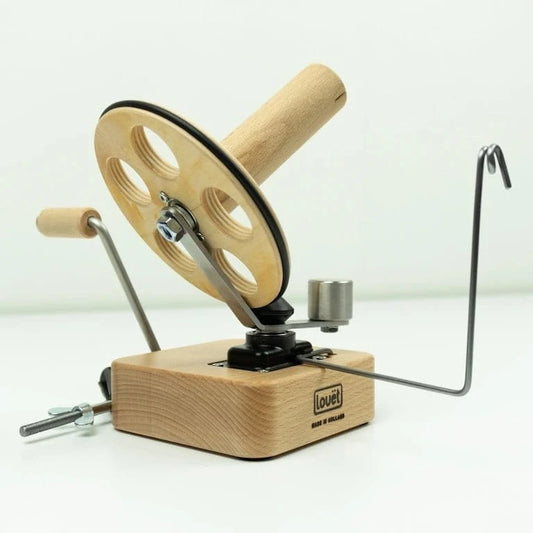
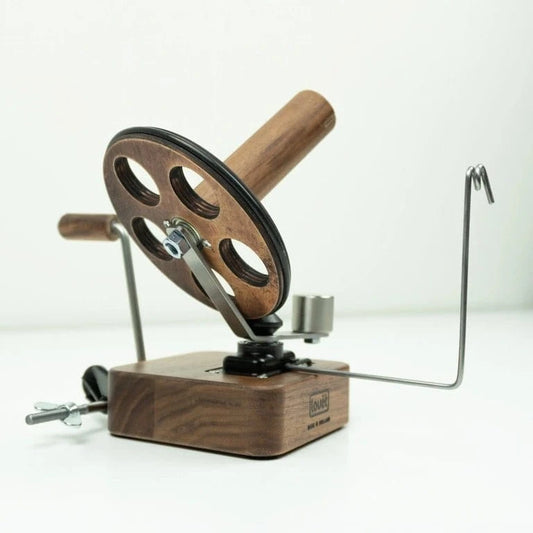
Louet Ball Winders - 3 Colors
Regular price $120.00 USDRegular price -

Knitters Pride Plastic Yarn Ball Winder - 4 Ounce Capacity
Regular price $63.48 USDRegular price -

Lacis Red Yarn Ball Winder II - 4 Ounce Capacity
Regular price $44.99 USDRegular price -

Lacis Jumbo Yarn Ball Winder - 10 Ounce Capacity
Regular price $79.99 USDRegular price


Frequently Asked Questions
A ball winder transforms a loose skein of yarn - which can tangle easily and is not ideal for pulling yarn from while you work - into a compact, center pull cake. Center pull cakes let you draw yarn from the middle, which keeps the cake stable while you knit or crochet without it rolling around. If you buy yarn in skeins (which most quality yarn is sold in), a ball winder saves you significant time and frustration compared to winding by hand. Once you have used one, it is very hard to go back. It is one of those tools that knitters and crocheters universally wish they had bought sooner.
A yarn swift and a ball winder solve two related but different problems. A yarn swift holds your skein open and at the correct tension while you unwind it, rotating as the yarn feeds off. A ball winder is the device that actually winds the yarn into a cake. Technically you can wind yarn onto a ball winder by having someone else hold the skein, but a swift makes the process much faster, easier, and prevents tangles. Most people who buy a ball winder eventually buy a swift as well - they are designed to work together, and using them as a pair makes winding skeins fast, smooth, and almost satisfying in itself.
Most standard ball winders can handle skeins of up to 100 grams comfortably, which covers the majority of yarn sold in single skein quantities. Heavy duty or jumbo ball winders are available for larger skeins up to 200 grams or more. In terms of yarn weight, ball winders handle everything from fine fingering and lace weight up through bulky and super bulky, though very chunky yarns can be awkward to wind into a compact cake and sometimes work better in a hand wound ball. For the everyday skeins that make up most yarn purchases, a standard ball winder handles the job efficiently.
A ball winder can put a small amount of tension on yarn as it winds, and with very delicate or fragile yarns - particularly fine lace weight, loosely spun singles, or highly textured novelty yarns - it is worth winding at a moderate speed and without overtightening the cake. For most commercially sold yarns, including fingering and DK weight singles, a ball winder handles the job safely when used with normal care. If you are winding a very precious or fragile hand dyed single ply, slower and more attentive winding is the safe approach. When in doubt, ask our team and we can advise based on the specific yarn.
If you work through more than a few skeins of yarn per month, a ball winder pays for itself quickly in time and frustration saved. Hand winding a skein into a usable ball takes several minutes and produces an outside pull ball that rolls around while you work. A ball winder produces a center pull cake in under a minute, consistently and neatly, every time. For knitters and crocheters who buy yarn regularly, it is one of the most practical tool investments available. For someone who knits one project per year from a single skein, the math is different - but most active crafters find it indispensable within the first week of owning one.