
Ashford Rigid Heddle Looms
Ashford Rigid Heddle Looms
SKU: SKU: RH400
🧶 We'll wind your yarn into neat cakes for easy knitting/crocheting!
- Special OrderWe order it in for you when you order.

Ships in 1-2 business days
Couldn't load pickup availability
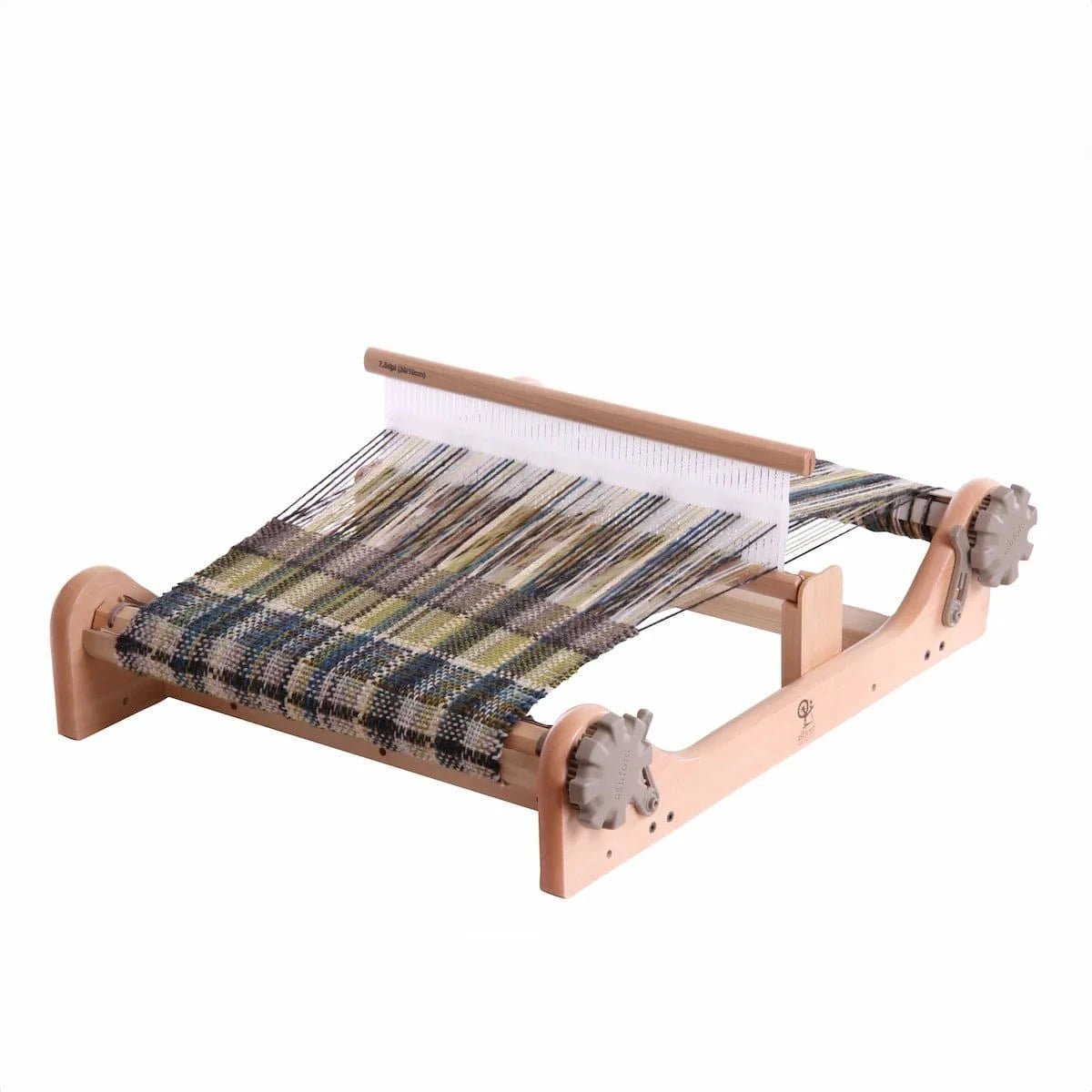
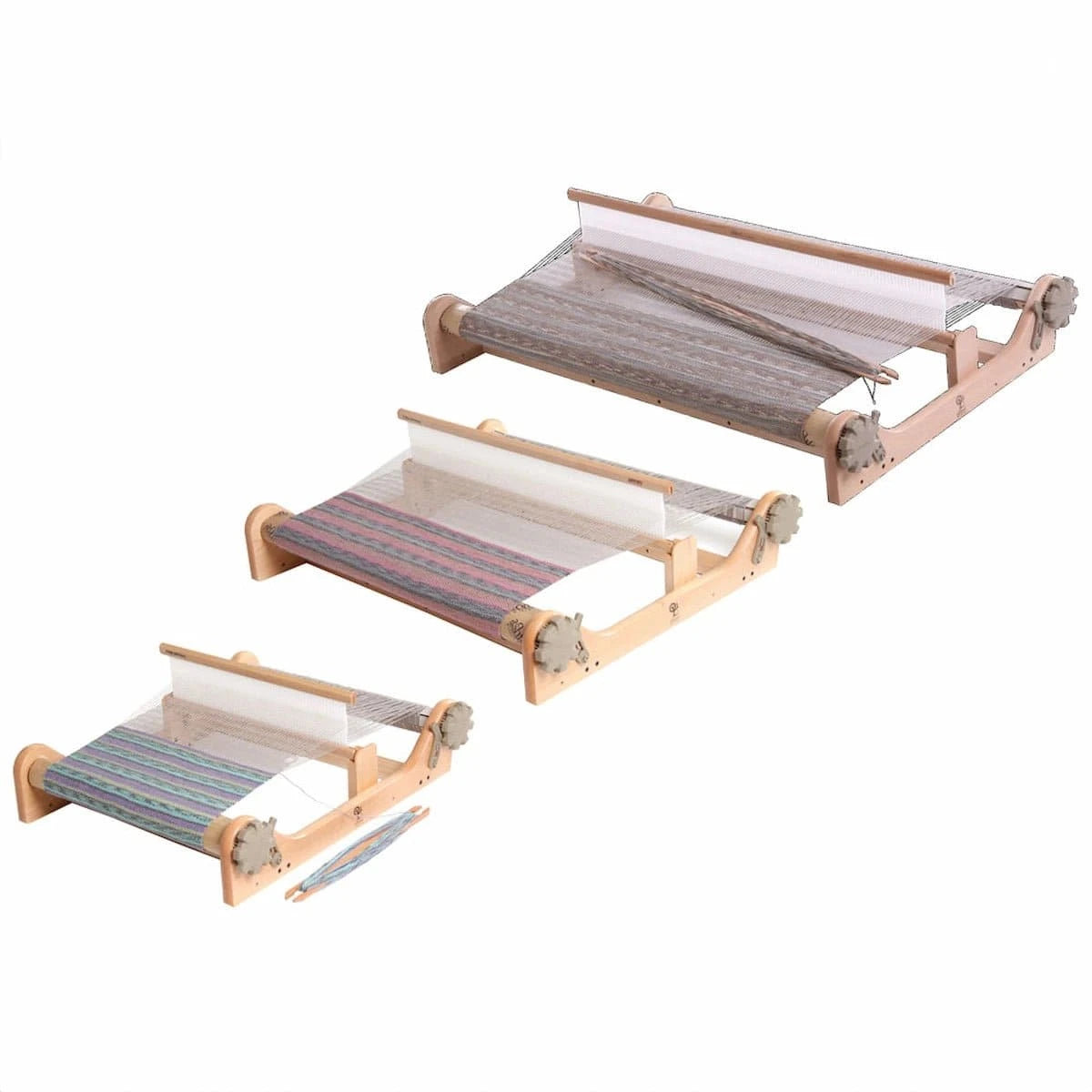
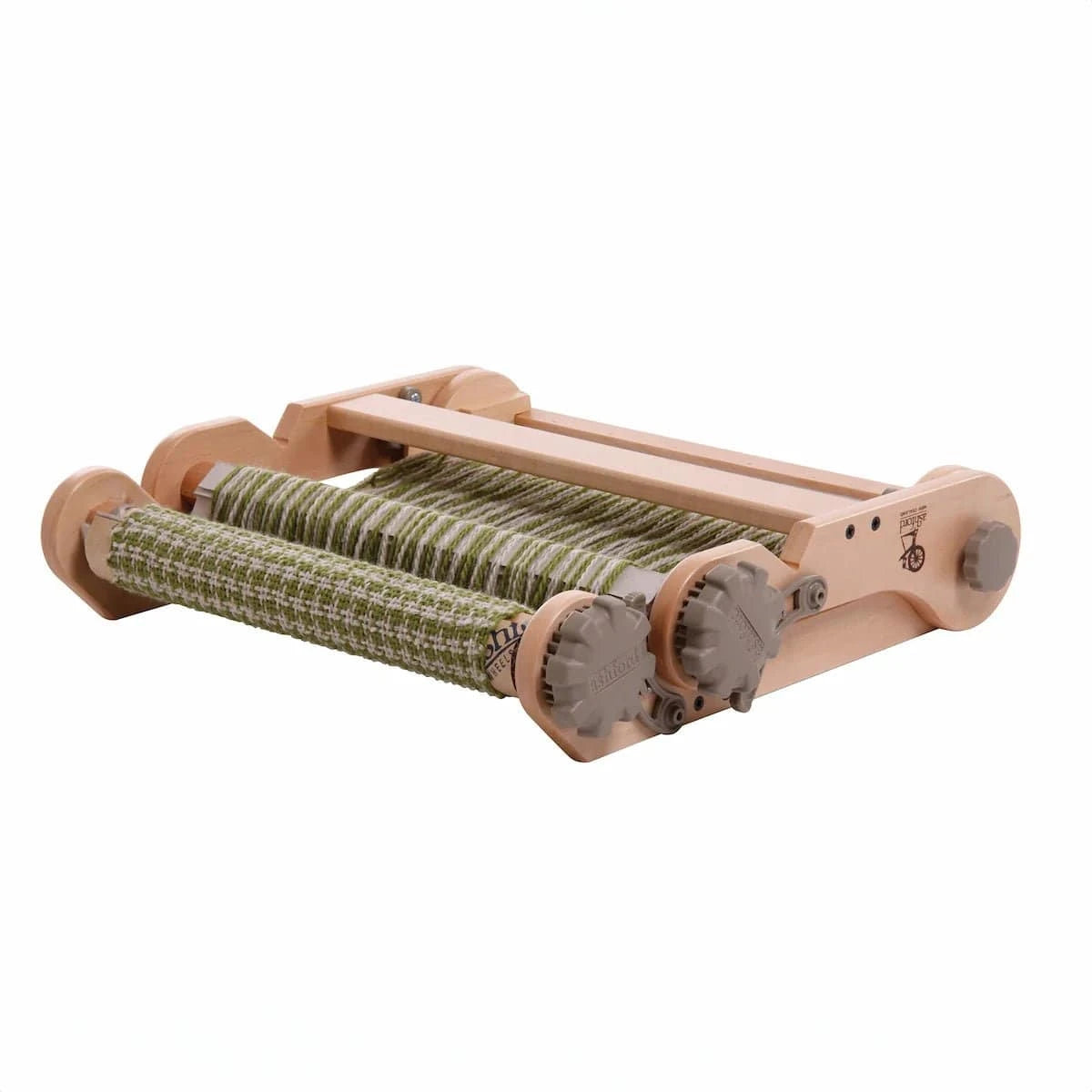
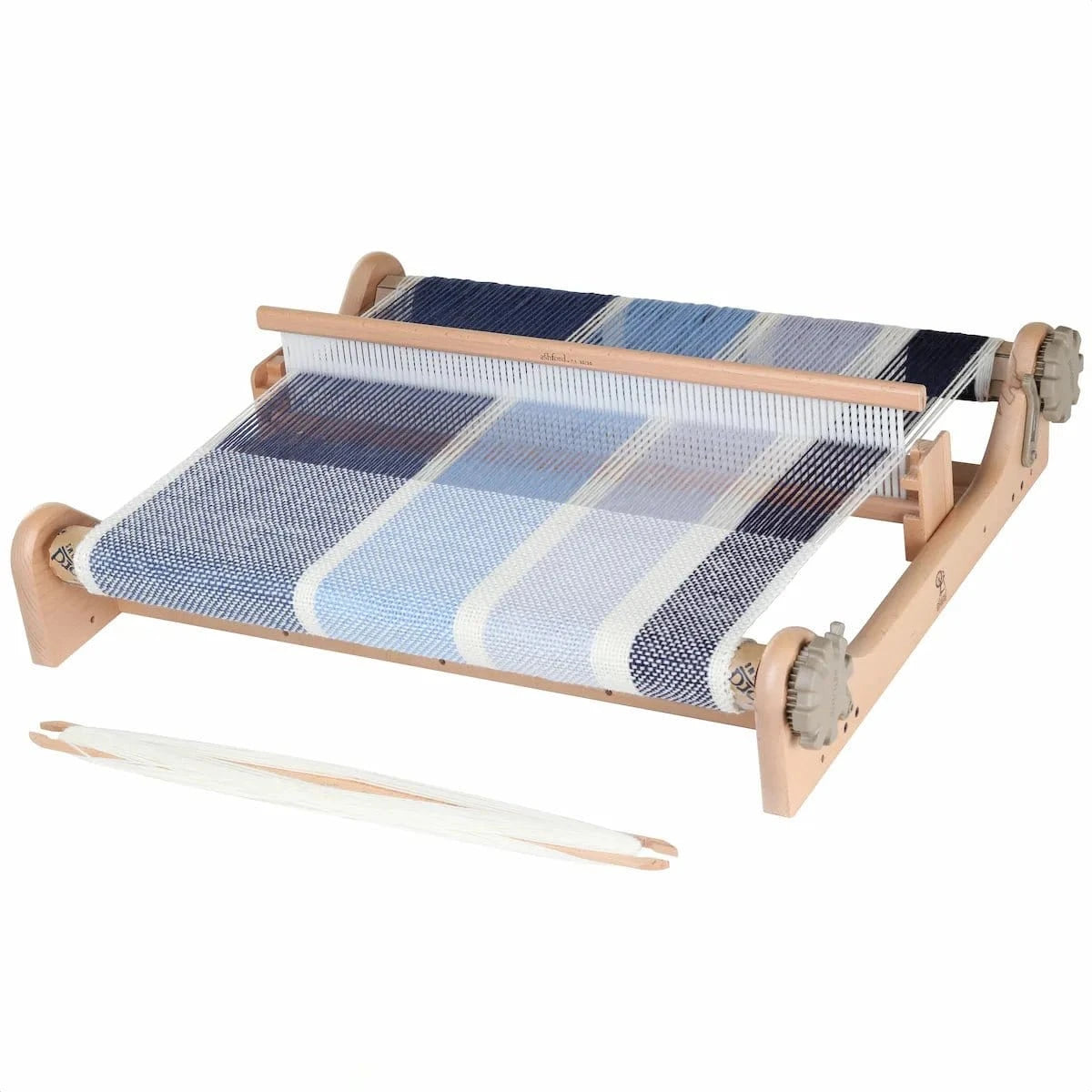
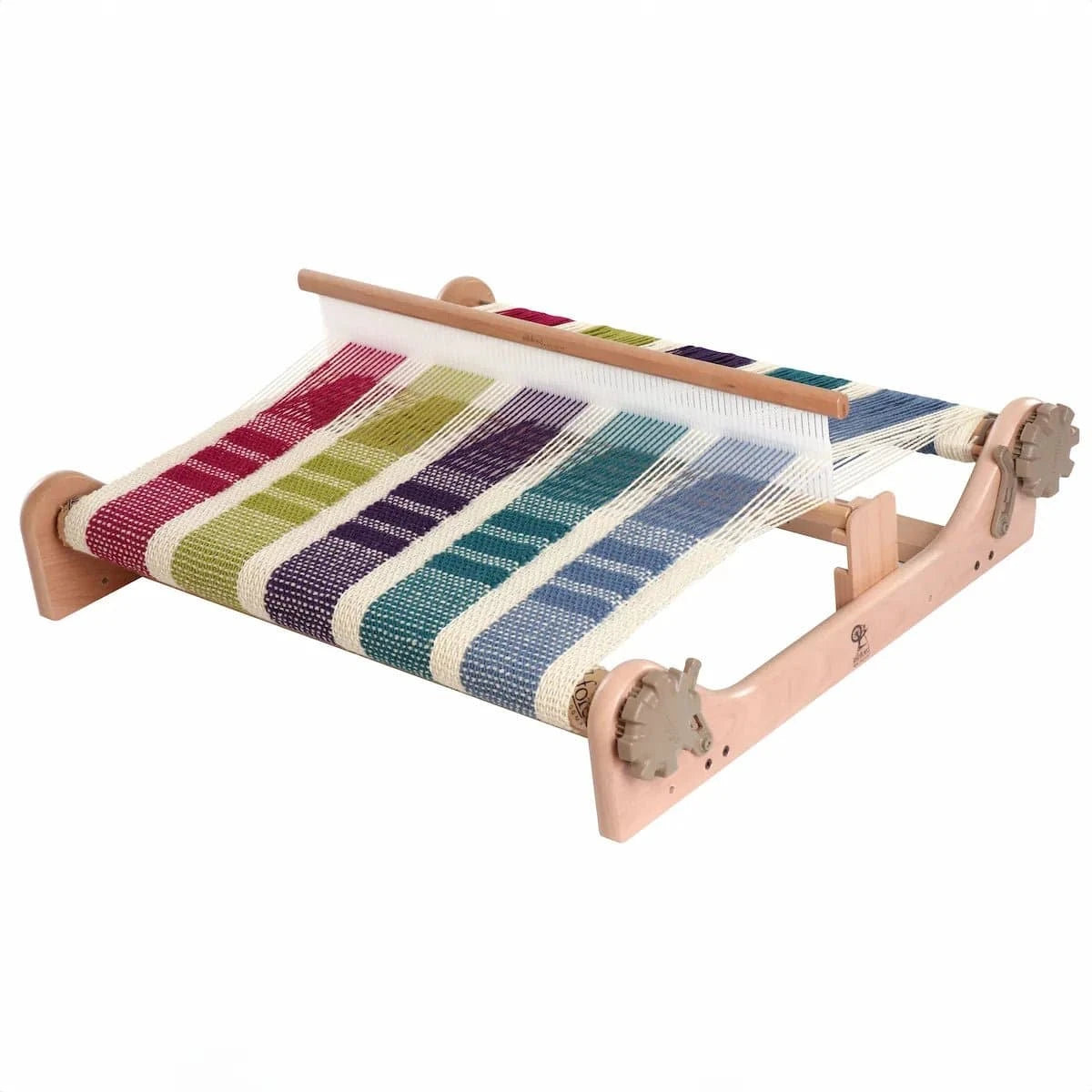
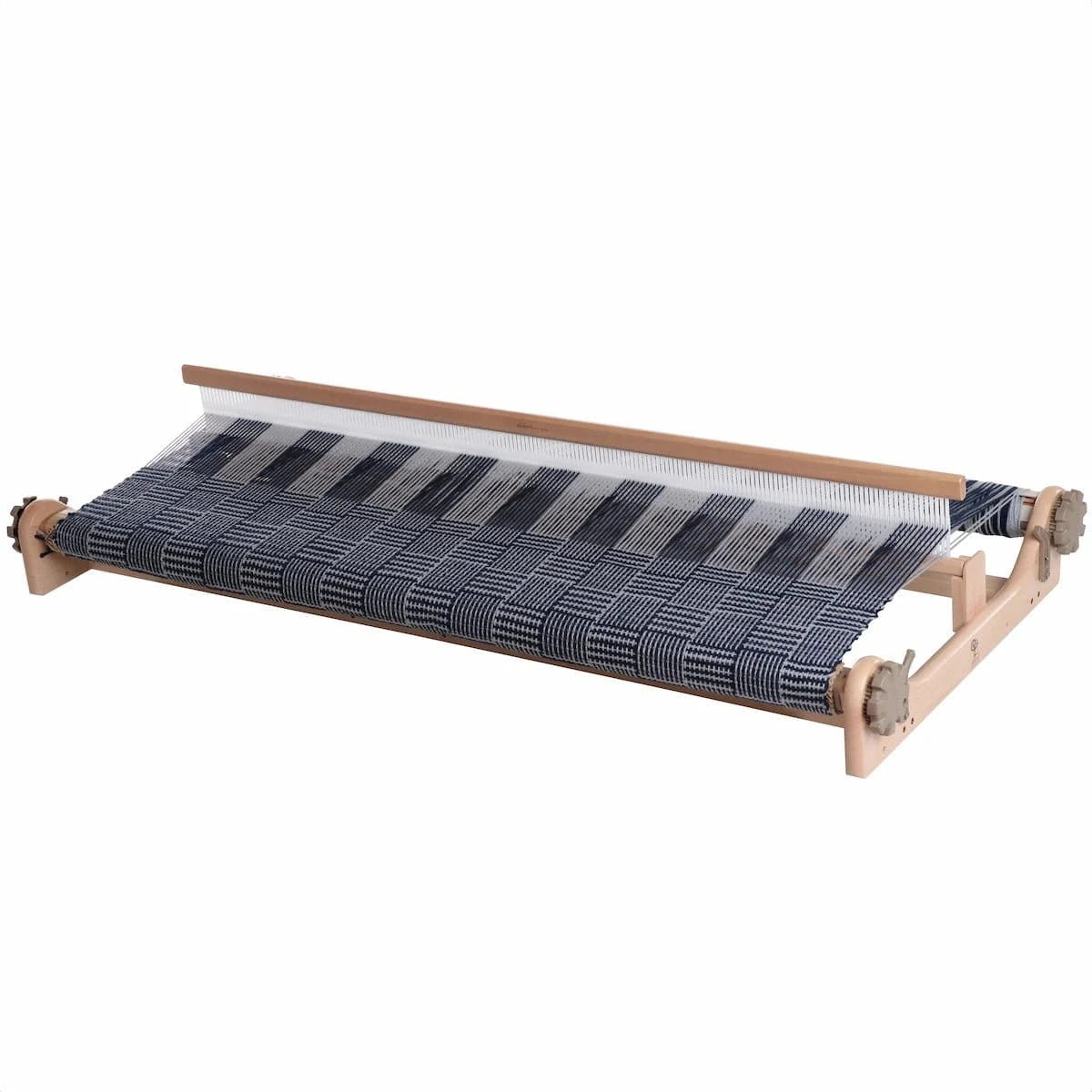
The Standard Ashford Rigid Heddle Loom has a variety of widths, perfect for those unsure/new to the hobby, or those looking for a 48" loom to handle any size project!
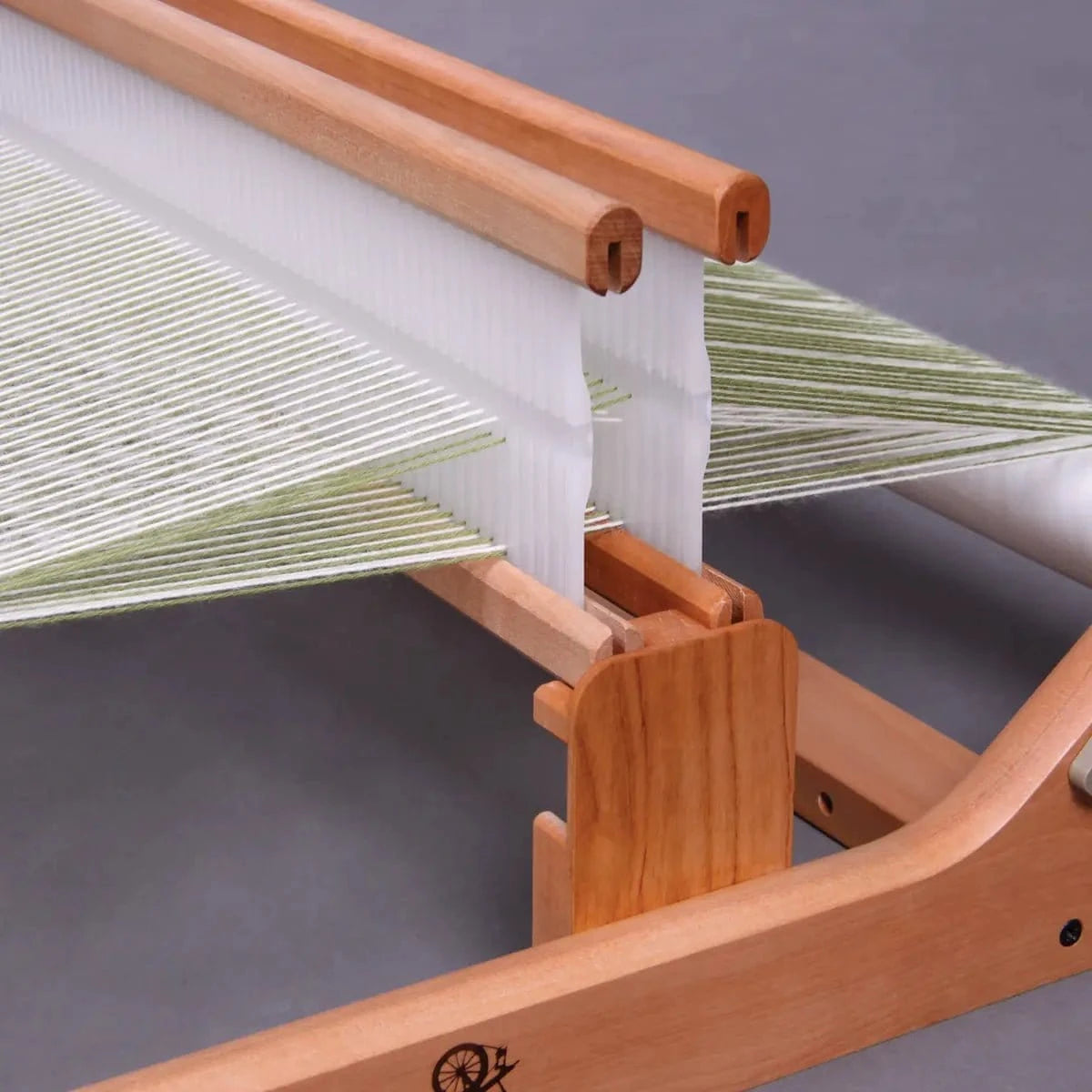
With double heddle blocks by default, they're perfect for denser or more technical patterns while only needing another reed instead of replacing or adding on another part!
The Ashford Pawls on the Warp Rollers also ensure they never unravel without you at the command. Alongside Ashfords normal standard of quality, at Paradise Fibers we have employees who've personally used these looms! We love them for their quality, easy of use, and extremely robust guidance with videos from Ashford and many others. We hope you always enjoy your loom!

Click here to get a floor stand for any Rigid Heddle Loom!
Click here for a table stand for any Rigid Heddle as well!
Find your additional Reeds HERE to weave with various weights and textures of yarns to get unique and extravagant woven masterpieces.
-
Additional Reed Sizes Available: 2.5, 5, 7.5, 10, 12.5, & 15 dpi (10, 20, 30, 40, 50, & 60/10cm)
Product details:
Material: Silver Beech hardwood
Weight:
- 16" - 7.7Lbs (3.5kg)
- 24" - 9Lbs (4kg)
- 32" - 10.8Lbs (4.9kg)
- 48" - 14.3Lbs (6.5kg)
Assembly: Required
Finish: Natural
Weaving widths Available: 40, 60, 80 and 120cm (16, 24, 32 and 48 ins).
Included Accessories :
- Nylon Reed 7.5dpi (30/10cm)
-
2 x Natural Shuttles:
- Rigid Heddle 16 inch - 36cm (14") shuttles
- Rigid Heddle 24 inch - 56cm (22") shuttles
- Rigid Heddle 32 inch - 56cm (22") and 76cm (30") shuttles
- Rigid Heddle 48 inch - 76cm (30") shuttles
- 2Nd Heddle Block Kit
- Step By Step Instruction Booklet
- Threading Hook
- Warping Peg & Clamp
The approximate maximum warp lengths for each size loom are:
- Rigid Heddle 16 inch - 4.7m (15.5')
- Rigid Heddle 24 inch - 6.7m (22')
- Rigid Heddle 32 inch - 8.7m (28.5')
- Rigid Heddle 48 inch - 12.7m (41.5')
Indirect Warping Option
All standard rigid heddle looms will have holes drilled in the bottom of the rails so you can use your loom as a warping frame for the indirect warping method.
You can purchase a set of RHWP - Rigid Heddle Warping Pegs if you wish to use your loom in this way. There are 14 pegs included in the set, this will allow you to choose a variety of warp lengths.
Some benefits of indirect warping are the flexibility to use one thread of one color, it saves space, even warp lengths, better tension control.

Tutorial Videos:
Please contact us with any questions or concerns regarding your order at (509) 536-7746 or [email protected].

Why Paradise Fibers?
Your trusted partner in creativity since 1997. Family-owned, expert-driven, and dedicated to fueling your passion.
Real "Fiberers" on Staff
Family-owned and staffed by passionate experts offering real advice to support your creative journey.
A World of Fiber
Over 20,000 in-stock yarns, fibers, and tools, shipped quickly to keep your inspiration flowing.
Trusted by the Flock
Serving over 250,000 happy customers with a 4.9-star rating based on 10,000+ verified reviews.
Frequently Asked Questions
Pick by the widest thing you actually want to weave, then add a little. Yarn draws in as you weave, so a 16 inch loom does not give you 16 inches of finished cloth.
16 inch suits scarves, towels and samples, and it is the easiest to store. 24 inch is the one most people land on, wide enough for a shawl or a baby blanket without becoming awkward. 32 inch handles throws and wider yardage. 48 inch is for blankets and full width fabric, and it is a serious piece of furniture at 14.3 lbs.
If you are torn between two sizes, the wider loom will still weave narrow cloth. The narrow one will never weave wide.
The loom, a 7.5 dpi nylon reed, two natural shuttles, the second heddle block kit, a threading hook, a warping peg and clamp, and a step by step instruction booklet.
Shuttle sizes are matched to the loom. The 16 inch ships with 14 inch shuttles, the 24 inch with 22 inch, the 32 inch with a 22 inch and a 30 inch, and the 48 inch with 30 inch shuttles.
You will need to add warp and weft yarn. A stand is separate.
No, stands are sold separately. The loom works fine on a table or in your lap, which is how a lot of people use it for the first year.
There are two options when you want one. The floor stand raises the loom to a comfortable working height and frees both hands. The table stand tilts the loom on a tabletop and takes up much less room. Both are adjustable and fit any of the four widths.
It lets you run two reeds at once, which opens up a lot more than plain weave. Double heddle weaving gets you denser cloth, finer setts, and pattern work like double width and some twill effects.
The useful part is that it is included by default on these looms rather than sold as an upgrade. When you are ready to try it, you only need to buy a second reed, not another part for the loom.
A 7.5 dpi nylon reed is included, which is a sensible middle ground and handles most worsted and DK weight yarns.
Six densities are available in total: 2.5, 5, 7.5, 10, 12.5 and 15 dpi, listed metric as 10, 20, 30, 40, 50 and 60 per 10cm. Low numbers are for chunky yarn and open weaves, high numbers for fine yarn and closer cloth.
Reeds are width specific, so order the one that matches your loom.
Roughly 15.5 feet on the 16 inch, 22 feet on the 24 inch, 28.5 feet on the 32 inch, and 41.5 feet on the 48 inch.
Those are maximums with everything wound on neatly. In practice you lose some to loom waste at the start and finish, so plan a little short of the ceiling rather than right at it.
Yes. Every standard rigid heddle loom has holes drilled in the bottom rails for exactly this, so you can warp indirectly without owning a separate warping board.
You will need the Rigid Heddle Warping Peg set, which is sold separately and comes with 14 pegs so you can set a range of warp lengths. Indirect warping gives you better tension control, even warp lengths, and the option of warping from a single thread of one colour. It also saves a good deal of space.
Yes, it ships flat and you put it together. It is straightforward work with the illustrated booklet, and most people are done in well under an hour.
The loom is solid Silver Beech hardwood in a natural finish, so if you want to oil or wax it, do that during assembly while the parts are still separate and easy to reach.