
Blending Boards
Blending boards are a fiber artist’s secret weapon for creating beautifully layered rolags bursting with color and texture. Whether you're preparing fiber for spinning, felting, or simply exploring creative blends, a blending board gives you exceptional control without the bulk of a drum carder.
-

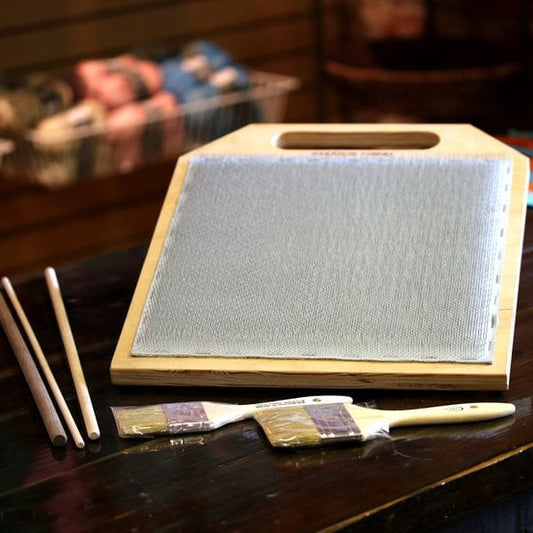
Paradise Fibers Blending Board - Large
Regular price $185.00 USDRegular price -

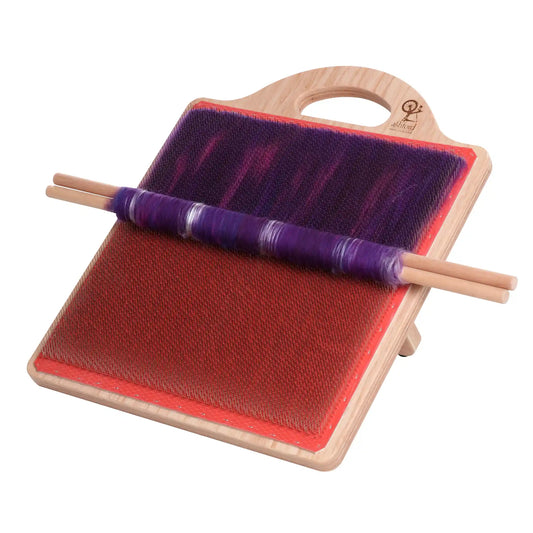
Ashford Blending Board
Regular price $249.00 USDRegular price -

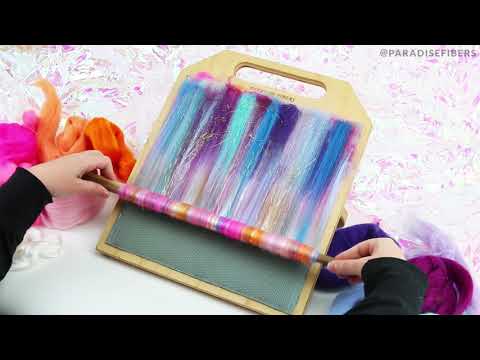
Paradise Fibers Blending Board - Small
Regular price $170.00 USDRegular price -
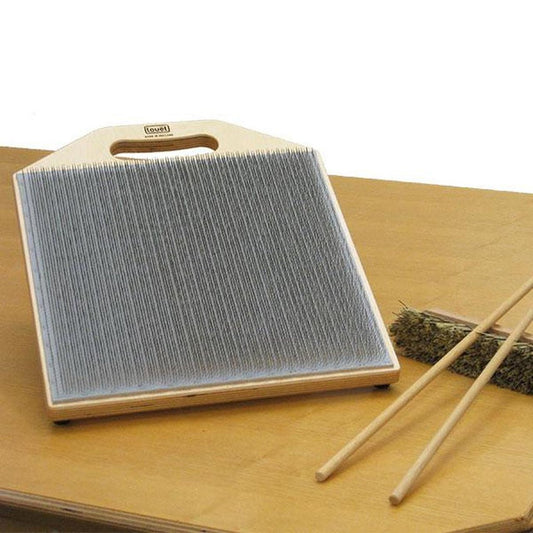
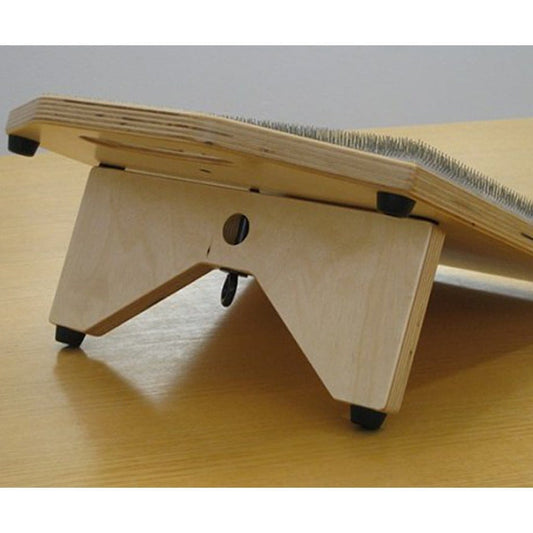
Louet Blending Board 72 tpi
Regular price $267.00 USDRegular price -
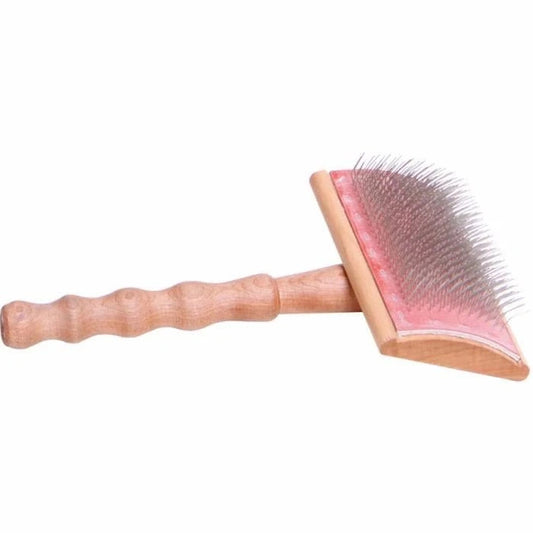
Ashford Blending Board Brush
Regular price $39.00 USDRegular price


Frequently Asked Questions
Blending boards work beautifully with a wide range of staple fibers including wool, alpaca, mohair, angora, llama, and many plant based fibers. You can also incorporate added elements like silk hankies, firestar, glitter, or small amounts of synthetic fiber to add texture, sheen, or sparkle to your blend. The main thing to keep in mind is fiber length - very long staple fibers like some raw fleece preparations can be harder to load cleanly onto the board's cloth. Most processed roving, top, and batts from your stash are fair game. If you are unsure whether a particular fiber will work well, reach out to our team and we will help you figure it out.
Hand carders and blending boards both use cloth teeth to open and align fiber, but they work differently and produce different preparations. Hand carders are worked in pairs and produce a small, dense rolag through a back-and-forth carding motion - they are efficient for processing larger amounts of a single fiber quickly. A blending board is larger, flat, and works more like a canvas - you load fiber onto the surface in layers, building up blends of multiple colors and fiber types, then roll the whole blend off as a light, airy rolag. Blending boards excel at creating complex, intentional blends and unique color effects. Hand carders are better for high volume single fiber prep. Many spinners use both depending on the project.
Blending boards are genuinely one of the most accessible fiber prep tools out there. The basic technique - loading fiber onto the board, building up layers, and rolling off a rolag - can be learned in a single session and improved quickly with practice. You do not need prior carding experience to get started. The most important thing is to work with light, thin layers rather than overloading the board, which produces a more uniform and easier to spin rolag. Our team loves walking new blending board users through the basics, so do not hesitate to reach out if you have questions when your board arrives.
Yes, synthetic fibers like nylon, viscose, bamboo, Tencel, and silk can all be added to blends on a blending board. A small percentage of nylon blended with wool adds durability to the finished yarn, which is why sock yarns so often include a nylon component. Viscose and bamboo add drape and a beautiful sheen. Silk adds luminosity and strength. The key with synthetics is to use them as a supporting element in a blend rather than the primary fiber - they can be slippery and difficult to draft cleanly in large proportions. Adding them in small amounts alongside natural fibers gives you all their benefits with much easier handling.
Once you roll your fiber off the blending board using the included dowel, you have a rolag - a light, airy tube of blended fiber ready to spin. Rolags produced on a blending board draft from the end and are typically spun using a woolen or semi-woolen draw, which produces a lofty, airy yarn with beautiful halo and warmth. The color and texture of your blend will reveal itself gradually as you draft, creating a yarn with depth and variation that you simply cannot achieve with commercially prepared fiber. Many spinners find that blending board rolags produce some of the most personally meaningful and beautiful yarn they have ever made.
Blending boards are low maintenance tools. After a blending session, remove any residual fiber from the cloth with a fine toothed comb or the edge of a hand carder. Avoid getting the cloth wet, as moisture can cause the glue securing the cloth to the board to loosen over time and can also mat the fiber left in the teeth. Store the board in a dry place, ideally covered or in a bag to keep dust and pests away from the cloth surface. If you are spinning fiber that contains lanolin, the board's teeth may pick up some grease over time - a gentle dry cleaning with a fine comb keeps them performing cleanly.