
Natural Dyes for Fabric, Yarn and Fiber
-
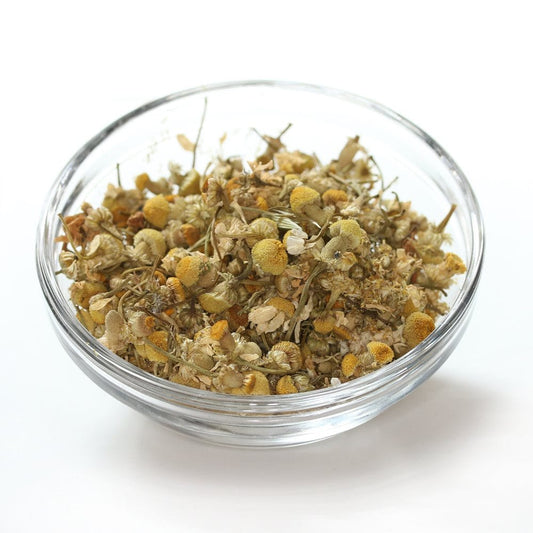
Earthues Chamomile Natural Dye per Ounce
Regular price $2.95 USDRegular price -
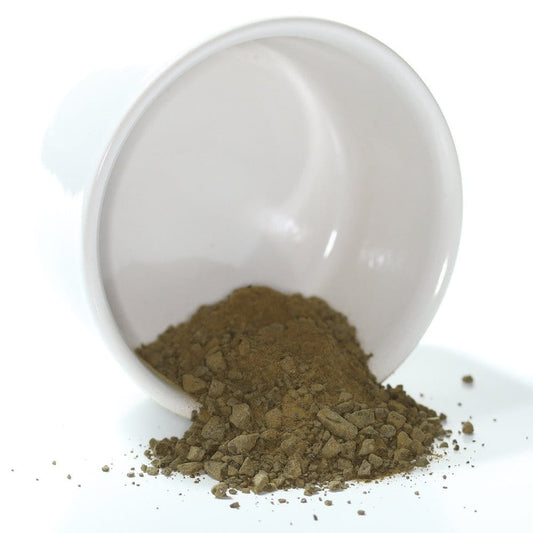
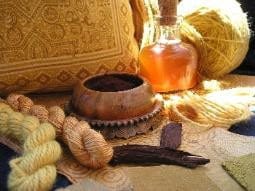
Earthues Natural Dye Weld by the Ounce
Regular price $28.00 USDRegular price -
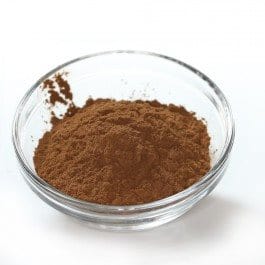
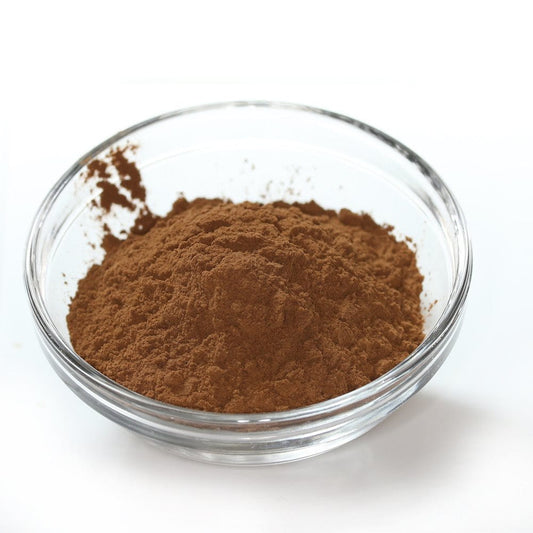
Earthues Natural Dye Chestnut per ounce
Regular price $1.75 USDRegular price -
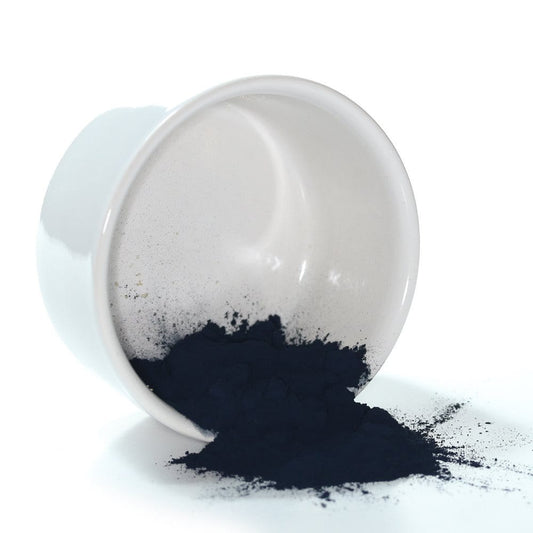
Earthues Natural Dye Indigo Finely ground per ounce
Regular price $6.90 USDRegular price -
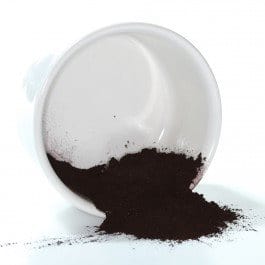
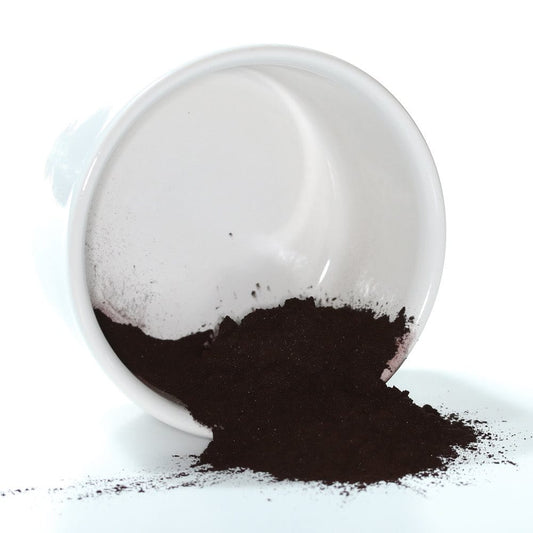
Earthues Natural Dye Logwood Purple per ounce
Regular price $37.50 USDRegular price -
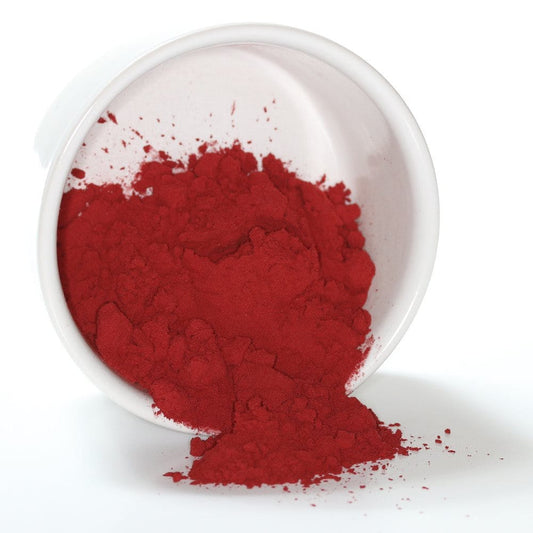
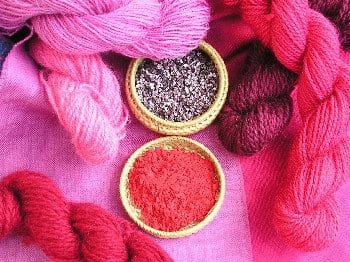
Earthues Natural Dye Cochineal Powder per 10 grams
Regular price $13.25 USDRegular price -
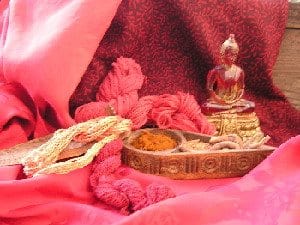
Earthues Natural Dye Madder Extract per ounce
Regular price $25.00 USDRegular price -
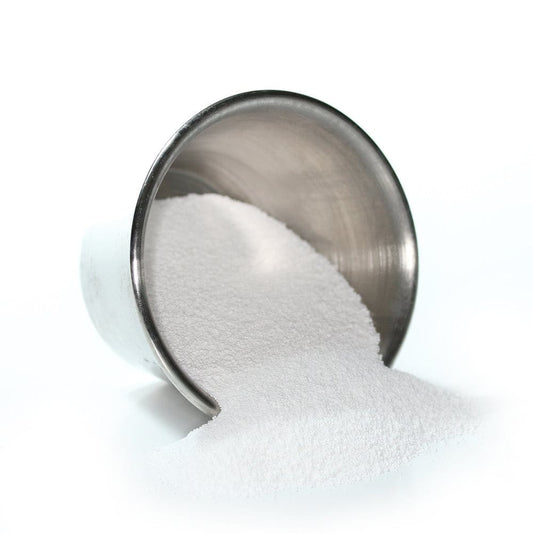
Earthues Soda Ash per ounce
Regular price $0.50 USDRegular price -
Earthues Aluminum Potassium Sulfate Powder Sold by the pound
Regular price $22.80 USDRegular price -
Earthues Cream of Tartar Powder per ounce
Regular price $2.25 USDRegular price -
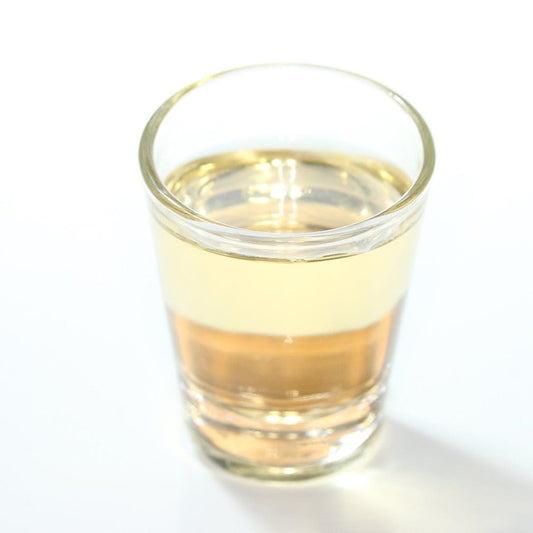
Earthues Scour Liquid - 4 oz Bottle
Regular price $4.00 USDRegular price -
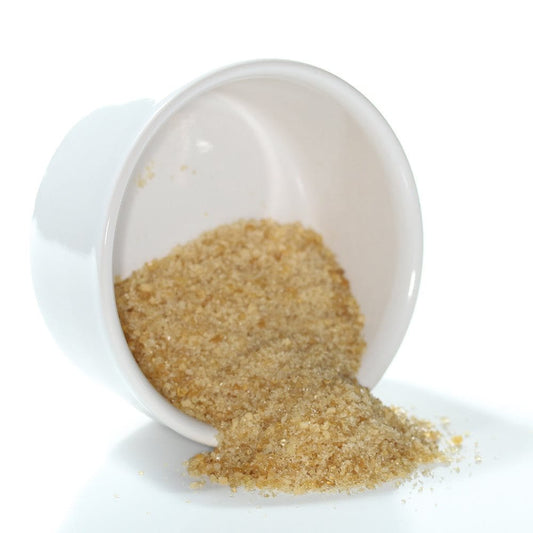
Earthues Hide Glue Crystals per ounce
Regular price $2.50 USDRegular price -
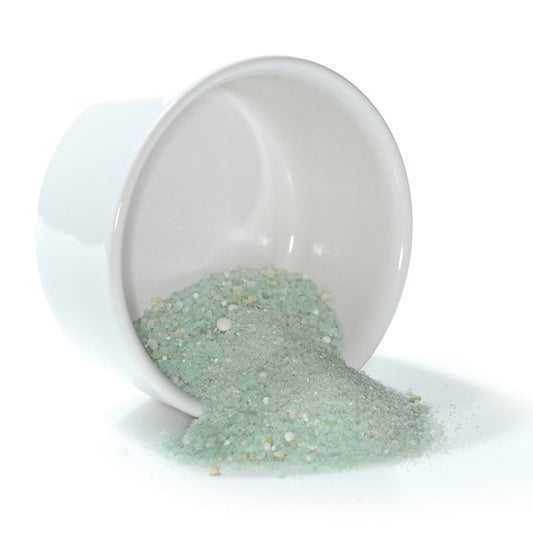
Earthues Iron Powder Sold by the ounce
Regular price $0.79 USDRegular price -
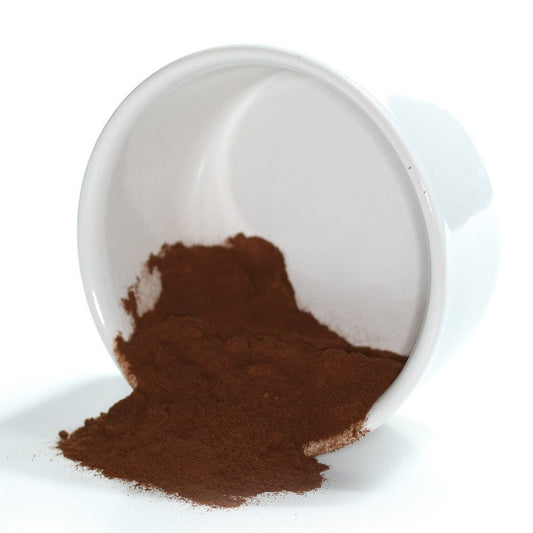
Earthues Natural Dye Pomegranate Sold by the ounce
Regular price $3.75 USDRegular price -

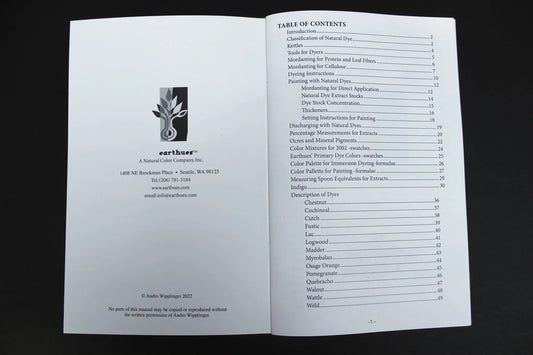
Earthues Natural Dye Instruction Booklet
Regular price $24.99 USDRegular price -

Earthues Myrobalan Ground Sold by the Ounce
Regular price $2.25 USDRegular price -

Earthues Quebracho Yellow Extract Sold by the Ounce
Regular price $1.75 USDRegular price -

Earthues Tannic Acid extract Sold by the Ounce
Regular price $2.50 USDRegular price -

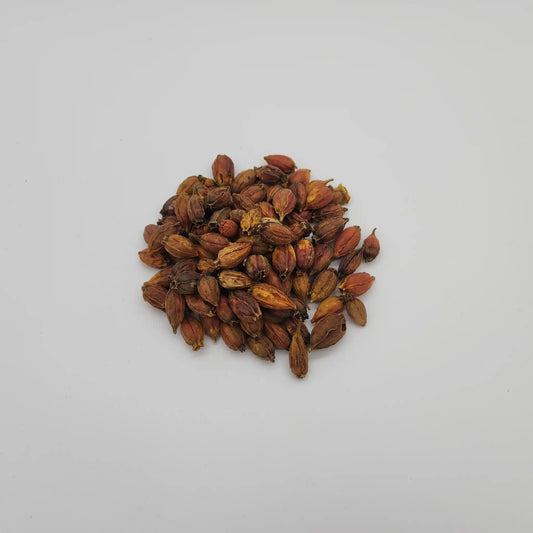
Gardenia Pods Natural Dye per Ounce
Regular price $4.99 USDRegular price -

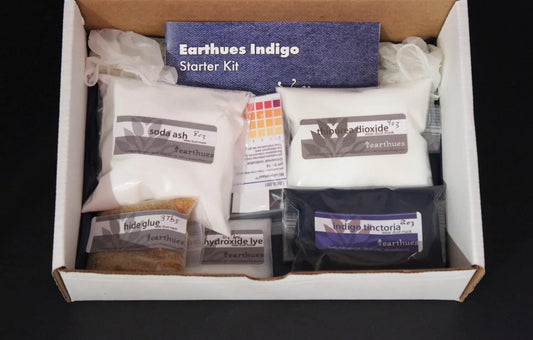
Earthues Indigo Kit
Regular price $45.00 USDRegular price -

Earthues Lime Calcium Hydroxide Sold by the Ounce
Regular price $0.50 USDRegular price -

Earthues Aluminum Triformate Sold by the Ounce
Regular price $2.75 USDRegular price -
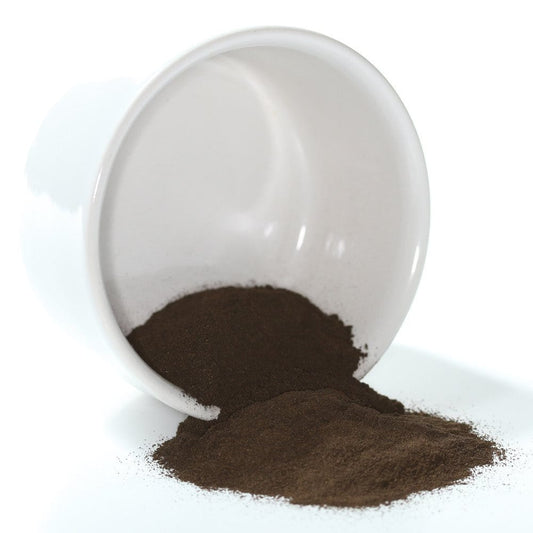
Earthues Natural Dye Walnut per ounce
Regular price $3.75 USDRegular price -

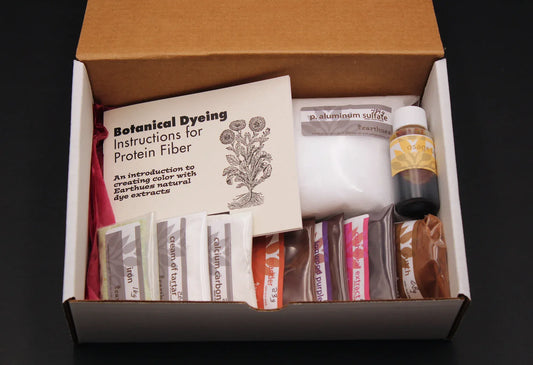
Earthues Botanical Natural Dye Starter Kit
Regular price $65.00 USDRegular price -
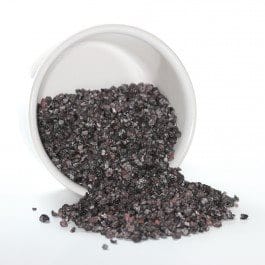
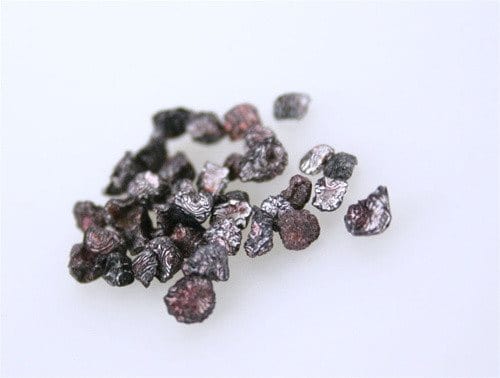
Earthues Cochineal Bugs Natural Dye per ounce
Regular price $15.00 USDRegular price -
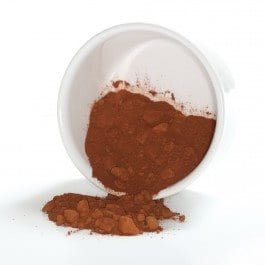
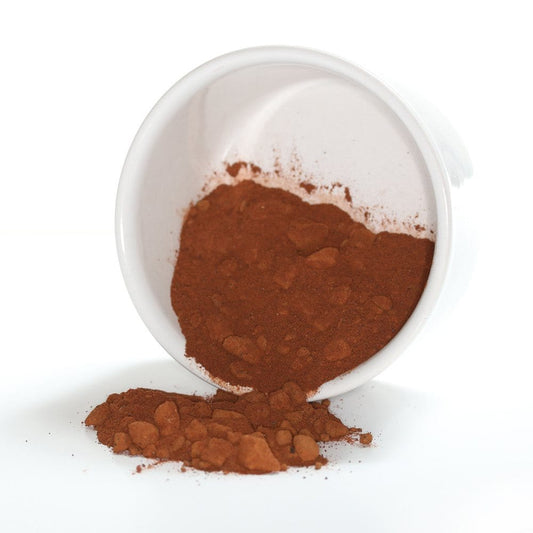
Earthues Natural Dye Cutch Extract Sold by the ounce
Regular price $3.75 USDRegular price


Frequently Asked Questions
Yes, for most of them. A mordant is a metal salt that bridges the dye molecule and the fiber, and without it most natural dyes stain wool or cotton and then rinse out or fade. Alum is the usual starting point on wool and silk. The exceptions are the tannin rich dyes, walnut, cutch, chestnut, myrobalan, pomegranate and quebracho, which bond on their own, though they still come out deeper and more even on mordanted fiber. Indigo needs a vat instead.
Not the way you mordant wool, and assuming otherwise is the most common first failure. Cellulose gives aluminum almost nothing to hold onto, so alum alone leaves pale color that washes out. Scour hard with hot water, a scouring detergent and soda ash, run a tannin bath using tannic acid, myrobalan or chestnut, then mordant with an aluminum salt. Aluminum triformate does not let you skip the tannin step. Myrobalan lays down a warm buff undertone, while tannic acid adds the least color of its own.
Weigh your fiber dry, before it gets wet, and work in percentages of that weight, written as WOF. On 100 grams of dry wool, 5 percent WOF dye means 5 grams. The extracts here are concentrated, so most shades land between the low single digits and about 20 percent. Ground myrobalan runs at its own rate, and indigo goes by vat strength and number of dips. Water volume does not change those percentages, though you still want enough for the fiber to move freely, since a crowded pot dyes unevenly.
Some are durable and some are not, and it is worth knowing which before you dye a sweater's worth. Madder, weld, cochineal, cutch and walnut hold up well on mordanted fiber. Indigo is light stable and never needed a mordant, but it sits in the fiber as a pigment, so its weak point is rubbing rather than fading, so rinse and wash well after dyeing. Logwood purple is the weak point in strong light. Dye a sample card, put half in a sunny window, and check it in a month.
Indigo will not dissolve in water, so it cannot be mordanted on. A vat reduces it into a soluble form, so you need soda ash for alkalinity and a reducing agent such as thiourea dioxide, kept warm rather than hot, around 100 to 120 F. Alkalinity is where wool and silk get hurt, so aim for pH 9 to 9.5 on wool and 10 to 11 on silk. Short dips, each oxidized fully before the next, build depth better than one long soak, with no mordant on any fiber.
Heat is the usual culprit. Madder holds its red only below a simmer, so keep the bath at 140 to 160 F and expect brick and brown once you push past about 170 F. An iron trace in the pot, a bath pushed too concentrated, or acidic water will dull it too, and madder gives fuller reds in calcium rich water, which is why soft water dyers often add a little chalk. If yours went wrong and you cannot tell why, get in touch and we will work through it.