
Noro
-
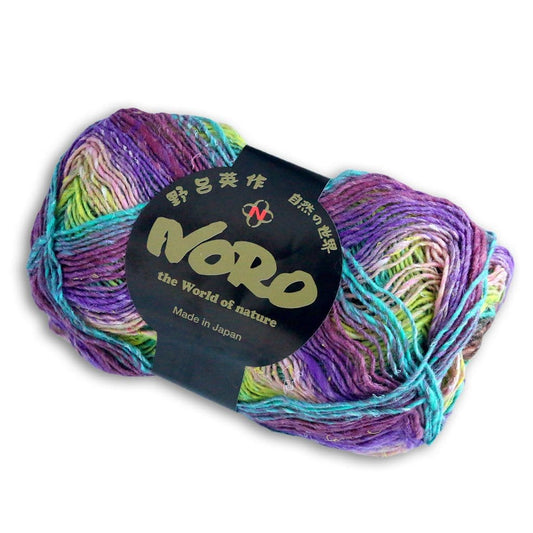
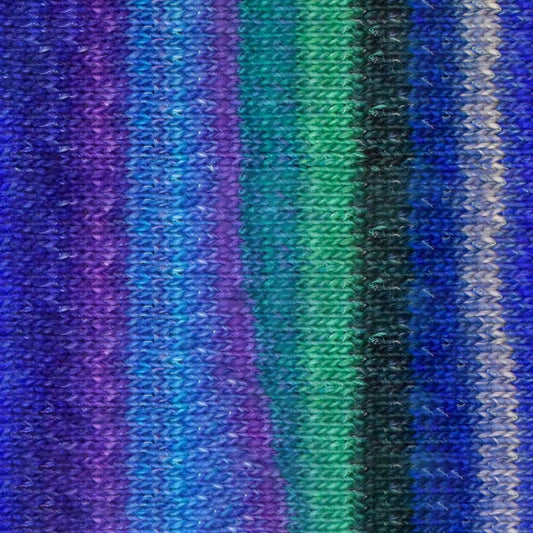
Noro Silk Garden Sock Sport Yarn
Regular price $24.99 USD -
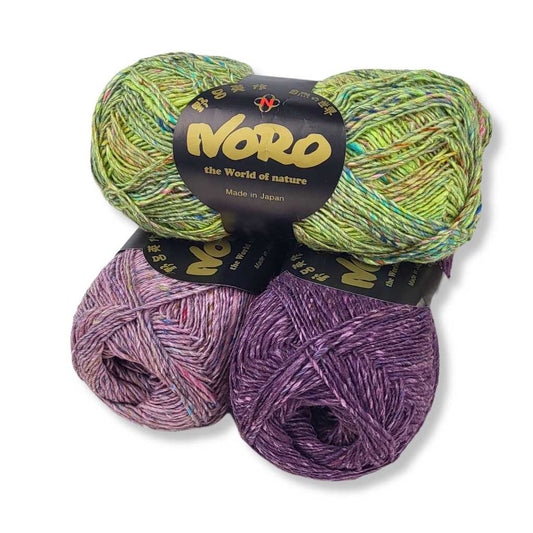
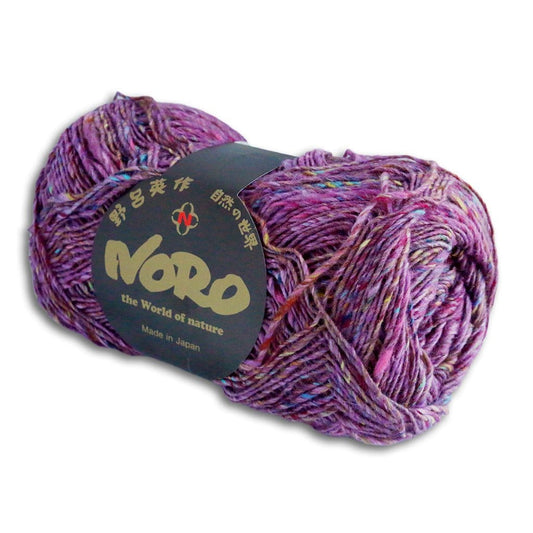
Noro Silk Garden Sock Solo Sport Yarn
Regular price $21.99 USD -

Noro | Easy-Peasy Poncho Pattern
Regular price $7.99 USD -

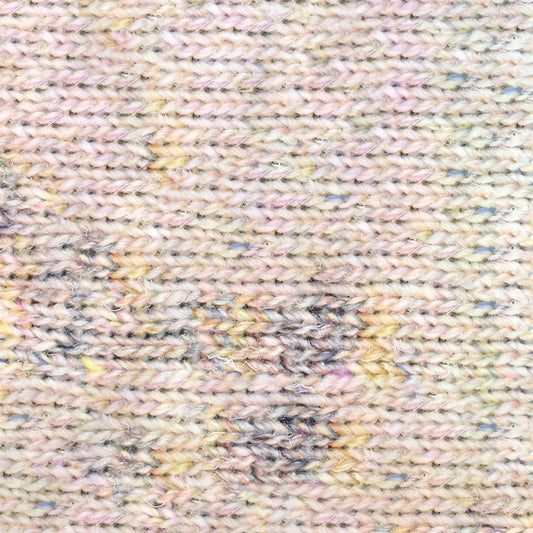
Noro Silk Garden Solo Worsted Yarn
Regular price $14.99 USD -

Noro | Sakurasau Sweater Pattern
Regular price $6.50 USD -

Noro | Anorthite Sweater Pattern
Regular price $7.99 USD -
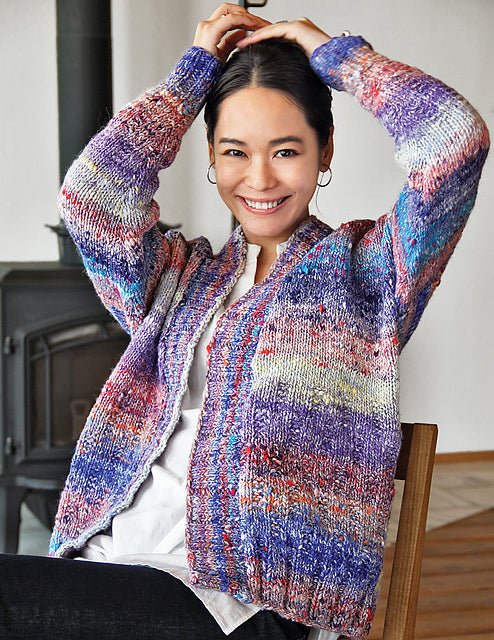
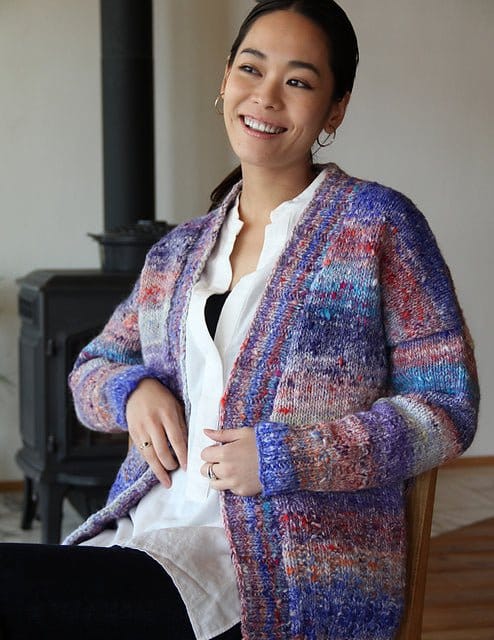
Noro | Botan Cardigan Pattern
Regular price $6.50 USD -

Noro | Elevation Top Pattern
Regular price $7.99 USD -


Noro Magazine Issue 21 - Bright Beautiful Color
Regular price $9.95 USD -
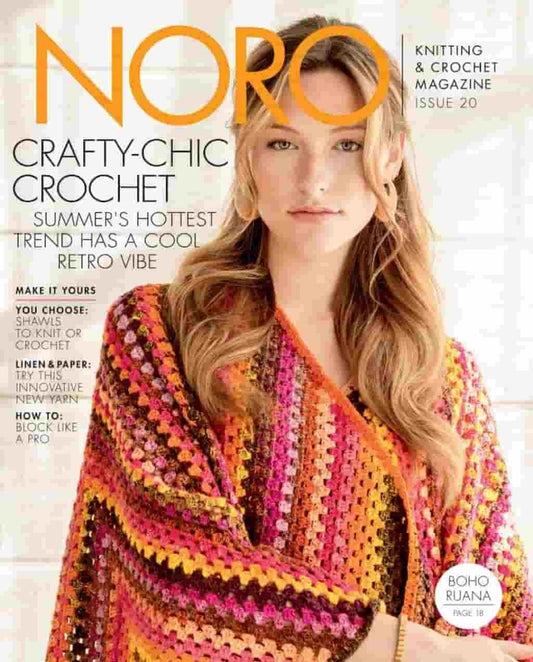
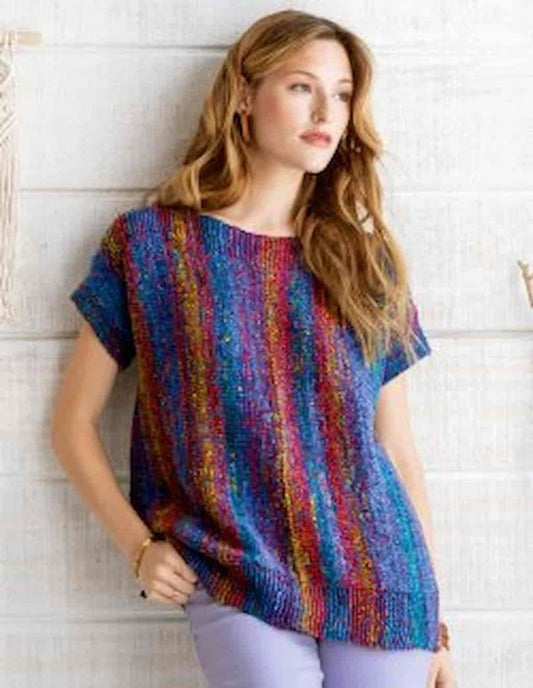
Noro Magazine 20 Crafty-Chic Crochet
Regular price $9.99 USD -

Noro Magazine Issue 22 Here Comes The Sun!
Regular price $9.99 USD -

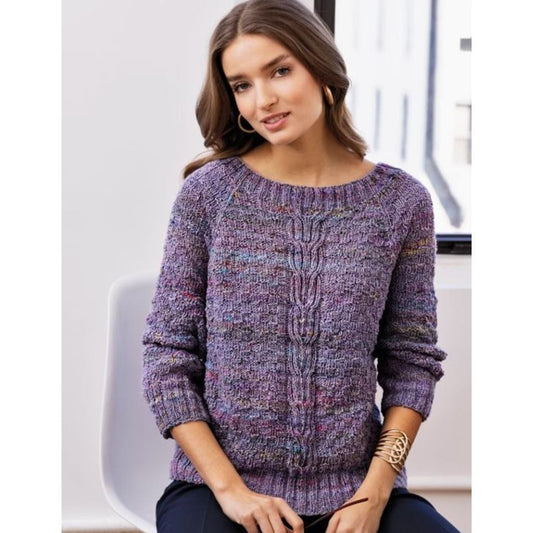
Noro Magazine Issue 24 Top Down or Bottom Up
Regular price $7.99 USD -
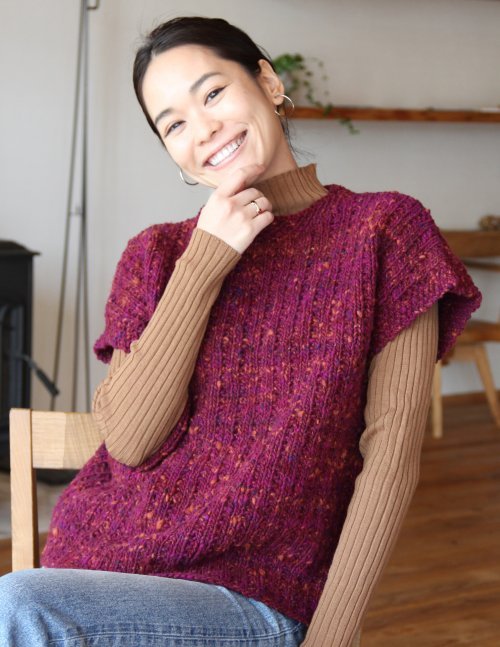
Noro | Yayoi Sweater Pattern
Regular price $6.50 USD -

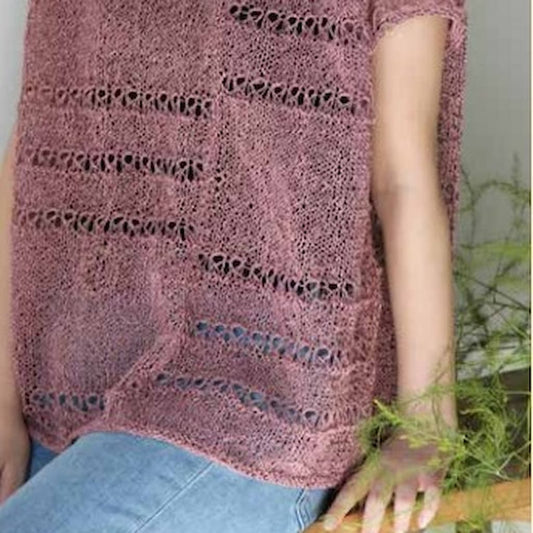
Noro | Hina Top Pattern
Regular price $5.99 USD -

Noro | Kin Tee Pattern
Regular price $7.99 USD -

Noro | Wynnie Pattern
Regular price $8.00 USD -

-

Noro | QUINNY Shawl Pattern
Regular price $5.00 USD -

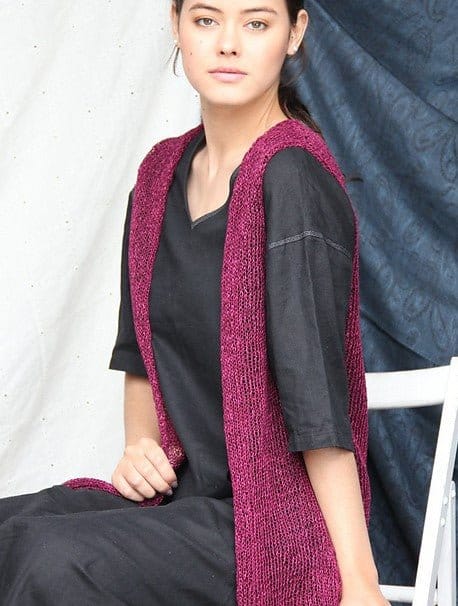
Noro Niko Vest Pattern
Regular price $6.50 USD -


Noro Airi Cardigan Pattern
Regular price $7.99 USD -

Noro | Arna Crochet Shawl Pattern
Regular price $5.99 USD -

Noro YUA Crochet Bag Pattern
Regular price $4.40 USD -

Noro | Origami Scarf Pattern
Regular price $5.99 USD -
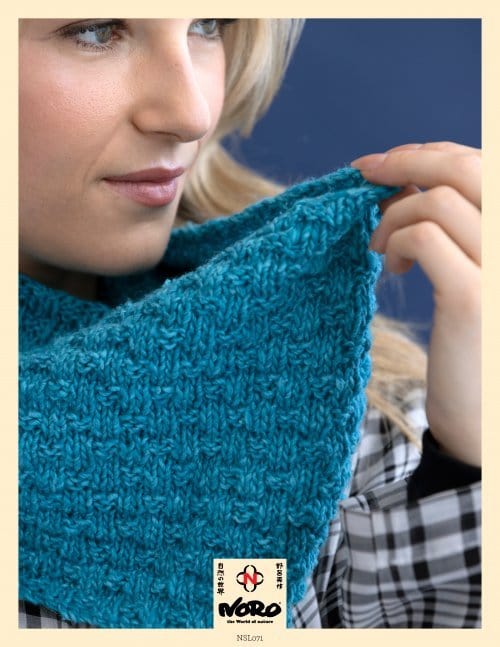
Noro | Celeste Basketweave Cowl Kit
Regular price $35.99 USD -
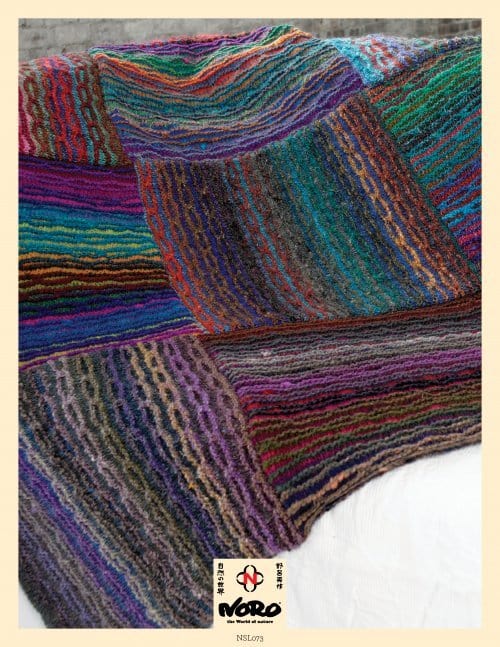
Noro | Blythe Blanket Pattern Leaflet
Regular price $6.99 USD -
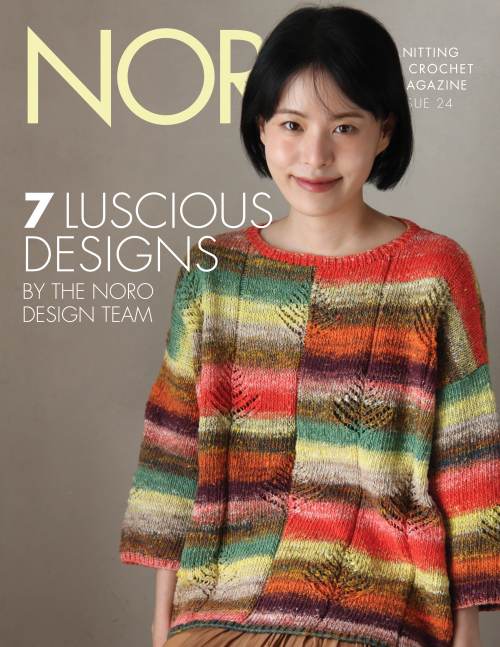
Noro 7 Luscious Designs Booklet
Regular price $12.00 USD -
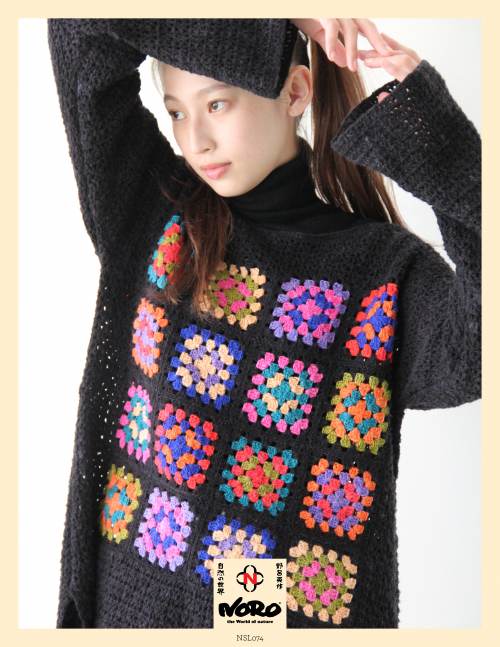
Noro Momoka Granny Square Sweater Pattern Leaflet
Regular price $6.00 USD -
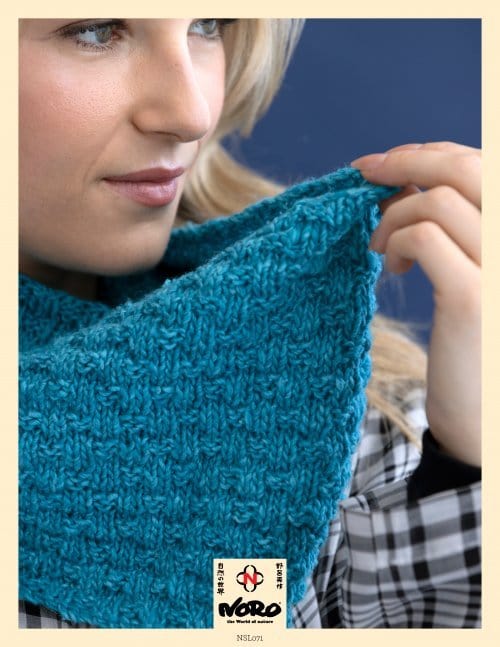
Noro | Celeste Basketweave Cowl Pattern Leaflet
Regular price $5.00 USD -
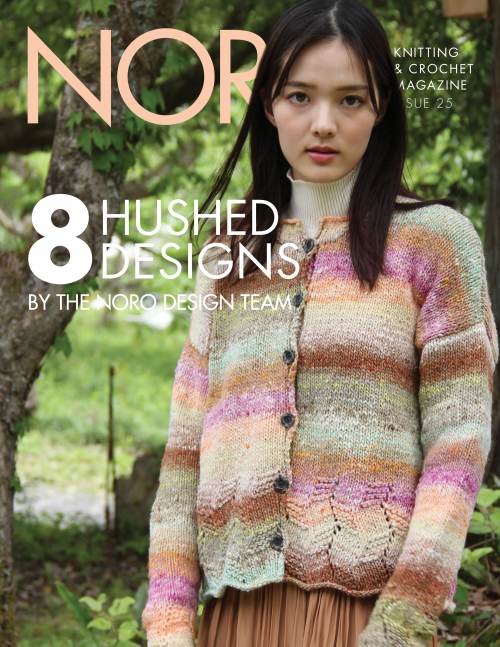
Noro 8 Hushed Designs Booklet
Regular price $12.00 USD -


Noro Takara Sweater Pattern
Regular price $7.99 USD -

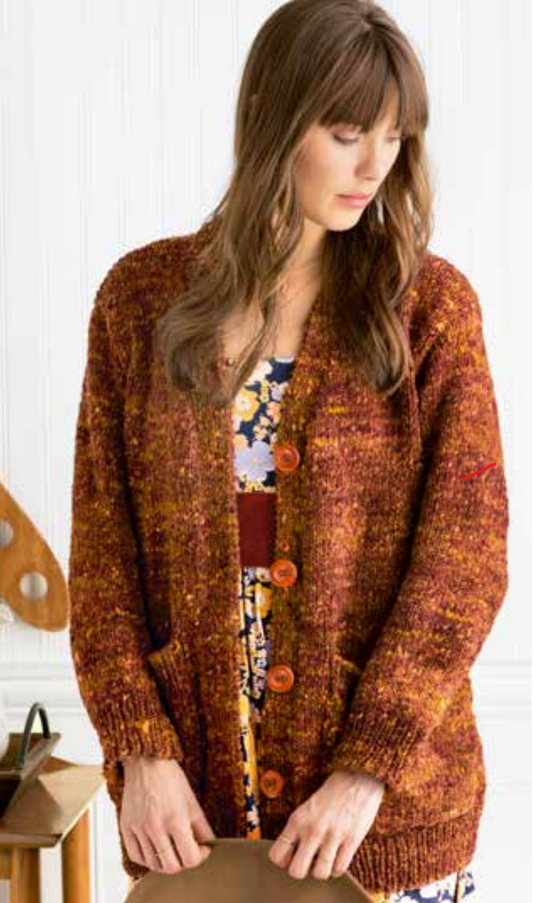
HAZELNUT CARDIGAN Pattern by Noro Leaflet
Regular price $6.00 USD -

Noro | Aya Top Pattern
Regular price $7.99 USD -
-
-

-


Frequently Asked Questions
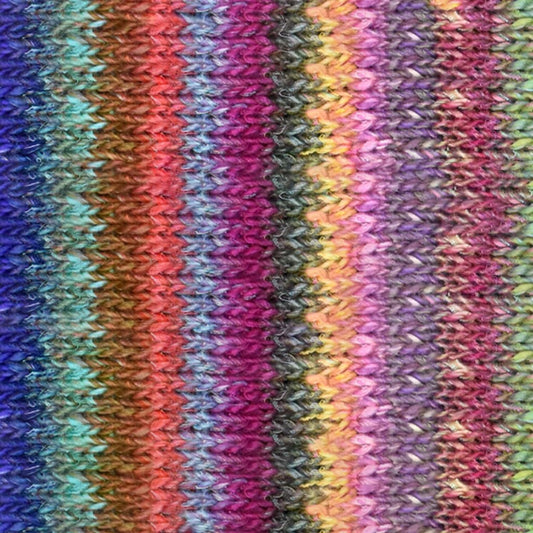
Noro yarn is produced by a Japanese yarn company known for its extraordinary and deeply intentional approach to color. Each Noro yarn is a long color sequence hand dyed in gradient repeats that shift gradually through a complex palette of shades over the length of the skein. The result in a finished project is a rich, naturally occurring colorwork effect with no stranding required - just by knitting from a single skein, you produce fabric with depth and complexity that looks like far more effort than it actually is. Noro also uses unusual and often locally sourced fiber blends that give their yarns a distinctive texture and character unlike anything else in the market.
Noro yarn has a reputation for being on the rustic side of the softness spectrum, and that is a fair characterization for many of their yarns. Noro uses natural fibers including wool, silk, alpaca, and various specialty fibers, and their spinning style tends to be looser and more rustic than fine commercial yarns. Some Noro yarns - particularly those with a higher silk or alpaca content - are quite wearable against skin. Others, especially those based on coarser wool blends, are better suited to outerwear and accessories worn over other layers. If next-to-skin softness is your priority, check the fiber content carefully and consider the Noro silk and alpaca blends specifically.
Absolutely nothing is wrong with it. The thickness variation in Noro yarn is entirely intentional and part of its handmade, artisanal character. Noro yarns are loosely and deliberately spun with a rustic consistency that differs from the uniform, machine-plied yarns produced by large commercial mills. The slight irregularity in diameter is a feature, not a defect - it contributes to the organic, textured quality of the finished fabric and is part of what makes Noro so visually interesting. If you prefer a perfectly uniform yarn, Noro may not be the right choice for you, but many knitters specifically seek out that handmade quality.
Noro yarns are dyed in long, sequential color runs within each skein, so the color shifts gradually as you knit rather than repeating at short intervals like many variegated yarns. The length of each color repeat varies by line and colorway. To get the most even color distribution in a project, knit from two skeins alternated - work two rows from skein A, then two rows from skein B, repeating throughout. This prevents a visible stripe or block where one skein ends and the next begins at a slightly different point in the color cycle. For scarves, cowls, and simple shawls where long color runs are a feature, single skein knitting works beautifully and shows off the gradient at its best.
Most Noro yarns are not machine washable. They are made from natural, untreated fiber blends that will felt under heat and agitation. Hand washing in cool water with a gentle wool wash and laying flat to dry is the recommended care for most Noro yarns. There are a small number of Noro lines with machine washable blends, but check the specific yarn label carefully rather than assuming. If you are making a gift and washability matters, either choose a Noro line that specifies machine washable or include clear care instructions so the recipient knows how to look after the finished item.
Noro's long color gradients show up most beautifully in projects worked in simple, uninterrupted stitch patterns - stockinette, garter, and seed stitch are all classic pairings because they let the color sequence take center stage without competing with texture. Striped patterns worked in alternating Noro colorways are iconic and produce stunning results with minimal technique. Complex cable or lace patterns can obscure the color progression and are generally not the best choice for showing off what Noro does best. Scarves, cowls, shawls, simple sweater bodies, and striped blankets are the projects where Noro earns its reputation most decisively.