
Alpaca Yarn
Ultra-soft, naturally warm, and hypoallergenic — our alpaca yarns are perfect for cozy, luxurious projects. Choose from 100% alpaca and elegant blends in a range of weights and colors.
-

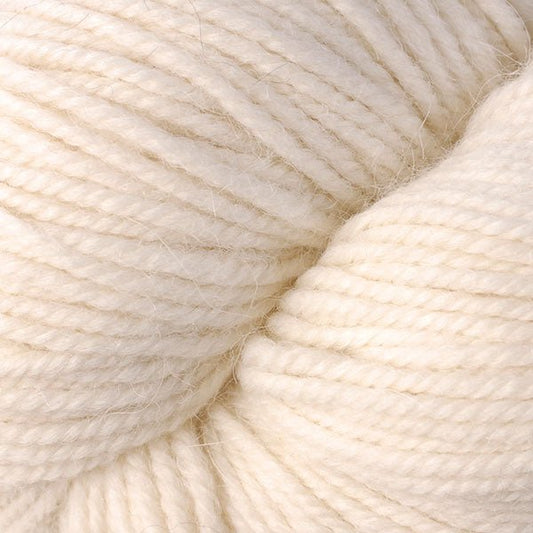
Berroco Ultra Alpaca Worsted Yarn
Regular price $15.99 USDRegular price$0.00 USDSale price $15.99 USD -

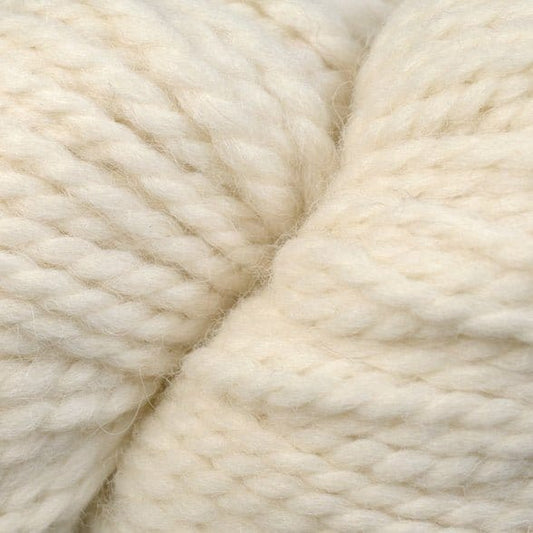
Berroco Ultra Alpaca Chunky Yarn
Regular price From $15.99 USDRegular price -
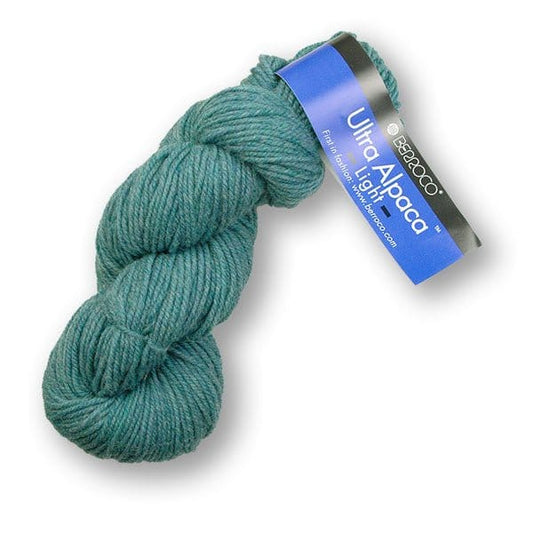
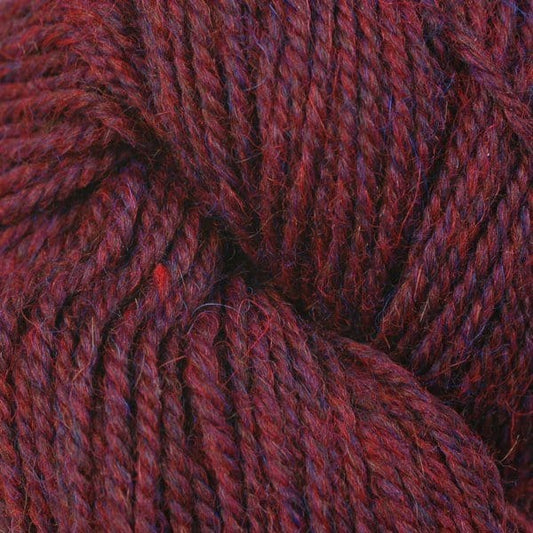
Berroco Ultra Alpaca Light DK Yarn
Regular price $9.25 USDRegular price$0.00 USDSale price $9.25 USD -
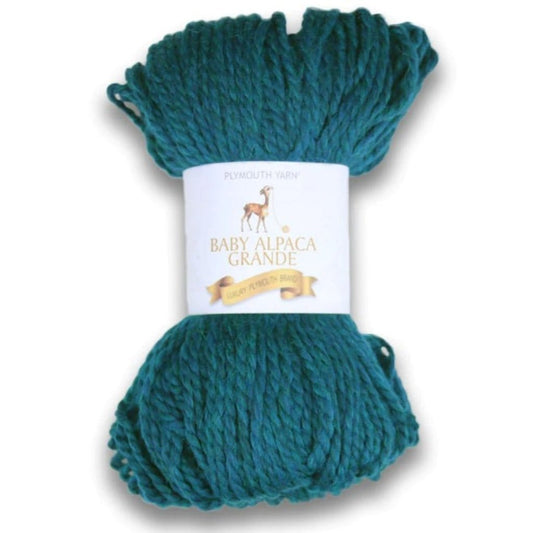
Plymouth Baby Alpaca Grande Chunky Yarn
Regular price From $15.99 USDRegular price$20.00 USDSale price From $15.99 USDSold out -
Cascade Baby Alpaca Chunky Yarn
Regular price $19.00 USDRegular price$18.99 USDSale price $19.00 USD -

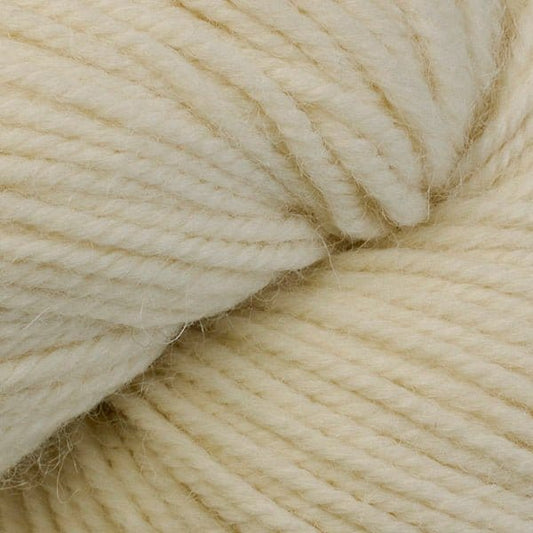
Berroco Ultra Alpaca Natural Yarn
Regular price $16.00 USDRegular price$0.00 USDSale price $16.00 USD -

Plymouth DyeForMe Undyed Sport Yarn - Alpaca Tencel Bamboo
Regular price $15.99 USDRegular price -

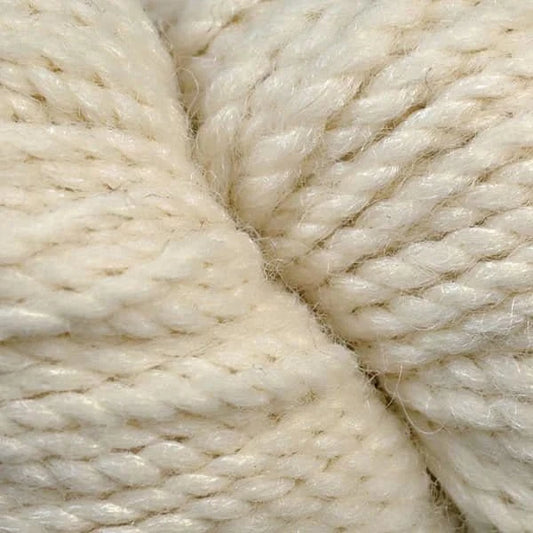
Berroco Ultra Alpaca Chunky Natural Yarn
Regular price $15.99 USDRegular price -
Plymouth Baby Alpaca Grande Hand Dye Chunky Yarn
Regular price $23.99 USDRegular price$20.00 USDSale price $23.99 USDSold out -

Cascade Doro Undyed Wool Alpaca Worsted Yarn
Regular price From $15.99 USDRegular price$159.90 USDSale price From $15.99 USD90% Sale -

Cascade Paca Undyed Alpaca Worsted Yarn
Regular price From $19.99 USDRegular price$199.90 USDSale price From $19.99 USD90% Sale -


Frequently Asked Questions
Alpaca fiber has several properties that distinguish it meaningfully from wool. It is warmer than wool by weight, has a natural luster and silky smoothness that wool does not, and it contains no lanolin which is the compound that causes wool sensitivity in some people. Alpaca fiber is also hollow, which gives it excellent insulating properties without extra weight. On the other hand, alpaca has much less natural elasticity than wool, which means finished fabric can grow and lose shape with wear - a consideration for fitted garments. For shawls, cozy accessories, and flowing garments where drape is a feature rather than a flaw, the higher price is absolutely worth it.
Alpaca is often recommended for people who cannot wear wool, and for many people with wool sensitivity it works beautifully. Because alpaca contains no lanolin - the natural wool grease that is a common irritant - many people who react to wool can wear alpaca comfortably against their skin. However, it is worth noting that not all wool sensitivity is a lanolin reaction - some people react to the fiber scale structure itself, and alpaca does have microscopic scales, though they are finer and smoother than those of most wool breeds. If you are uncertain, we recommend trying a small swatch held against sensitive skin before committing to a large project.
Alpaca does pill, and it tends to pill more than tightly plied wool because it has shorter fiber staple length and less natural cohesion. Pilling is most common in areas of friction - underarms, the belly of a bag, or anywhere that experiences regular rubbing. A fabric shaver removes pills effectively. Alpaca blended with a small percentage of wool or nylon holds its surface integrity much better than 100% alpaca alone. If you are making a garment that will see a lot of wear, a blended alpaca yarn is often a more practical choice than a pure alpaca one, while still giving you most of the softness and warmth alpaca is loved for.
Alpaca is a delicate fiber that benefits from gentle hand washing in cool water with a mild wool wash. Like all natural protein fibers, it is sensitive to heat and agitation, both of which can cause felting and irreversible damage. Never machine wash alpaca in a regular cycle and keep it away from hot water. To dry, gently press out excess water without wringing, roll the item in a clean towel, and lay it flat in its original shape to air dry. Store alpaca items folded in a cool, dry place with cedar or lavender sachets nearby to protect from moths, which are attracted to natural animal fibers.
Alpaca is at its best in projects that showcase its natural drape, softness, and warmth. Shawls and wraps are a perfect application - the drape of alpaca fiber creates an elegant, flowing quality that most other fibers cannot match. Hats, cowls, scarves, and soft accessories also come out beautifully in alpaca. For fitted garments, use alpaca blended with wool to add the elasticity that pure alpaca lacks - this helps the finished garment retain its shape. Alpaca is also a favorite for baby items when softness is the top priority, though the lack of elasticity means some construction methods work better than others for little garments.