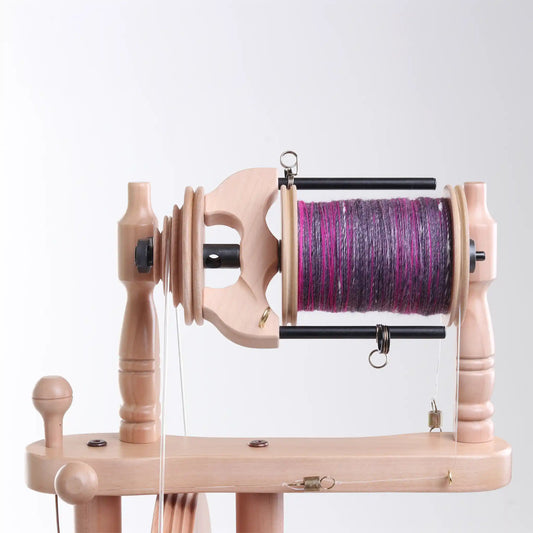
What Is Scotch Tension on an Ashford Spinning Wheel?
Scotch tension is a single drive take-up system where one drive band turns the flyer while a separate small brake band sits over the bobbin whorl, held in place by a spring and tension knob. As you treadle, the flyer spins freely while the brake slows the bobbin just enough to pull yarn onto it. Turning the tension knob tightens or loosens the brake, which adjusts how hard the wheel pulls your yarn in. This simple, intuitive setup is why using scotch tension on an Ashford spinning wheel has become the standard for modern single drive wheels like the Kiwi 3, Joy 2, and the single drive versions of the Traveller and Traditional.
Benefits of Scotch Tension on a Spinning Wheel
Scotch tension is often the recommended setup for anyone learning to spin, and for good reason. One knob controls everything related to take-up, so there is less to think about while your hands are busy drafting fiber. The tension adjustment is finely responsive, which makes it easy to dial in just the right amount of pull whether you are spinning a wispy single or a plump art yarn. Scotch tension is also extremely versatile, handling fine lace weight, worsted, bulky, and textured novelty yarns with a quick turn of the knob. For beginner spinners, the forgiving learning curve is a major reason wheels like the Ashford Kiwi 3 are so frequently recommended as a first wheel.
Scotch Tension vs Double Drive on Ashford Wheels
The biggest difference between scotch tension and double drive comes down to how the bobbin is controlled. On a double drive wheel, one continuous drive band passes over both the flyer whorl and the bobbin whorl, and take-up happens automatically thanks to a small speed difference between the two pulleys. On a scotch tension wheel, only the flyer is driven, and the bobbin is slowed by an adjustable brake band. Spinners who love double drive point to the smooth, self-regulating feel it gives when working with fine yarns and long draw. Scotch tension fans point to how easy it is to adjust on the fly, how well it handles thicker and novelty yarns, and how straightforward the setup is for someone still learning the craft. Ashford spinning wheel tension differences between these two systems really come down to which experience you want. Many spinners start with scotch tension and add a double drive wheel later, or choose a convertible wheel like the Traditional or Traveller that can be set up either way.
How to Adjust Scotch Tension on an Ashford Wheel
Adjusting scotch tension is straightforward once you know what to look for. Start with the tension knob loose, then treadle slowly while your hands hold the yarn. Gradually turn the knob clockwise, a quarter turn at a time, until the yarn starts to feed onto the bobbin with a gentle but consistent pull. The optimal scotch tension setting on an Ashford wheel is the lightest tension that still draws the yarn in reliably. Too tight and the yarn yanks out of your hands or breaks. Too loose and the yarn piles up at the orifice or refuses to wind on. As your bobbin fills, you may need to add a small amount of tension to compensate for the growing bobbin diameter. Remember that you are adjusting the brake band on your Ashford wheel, not the drive band. Many new spinners confuse the two during setup. On the Kiwi 3 and Joy 2, the tension knob sits above the flyer near the brake band. On the Traditional and Traveller, it is in the same general location, though the exact shape of the knob varies by model year.
Best Practices for Ashford Scotch Tension Spinning
A few habits will help you get the most consistent yarn from your scotch tension wheel. Make small adjustments, not big ones. A quarter turn of the knob makes a noticeable difference. Check your tension at the start of every bobbin, since the feel changes as the bobbin fills. Keep your drafting hand moving at a steady pace, because scotch tension take-up responds to how quickly you feed yarn into the orifice. For improving yarn consistency with scotch tension, many experienced spinners recommend practicing at a single ratio until your treadling and drafting rhythm is locked in, then experimenting with ratios and tension changes. Finally, match your tension to your fiber. Fine merino needs a lighter touch than sturdy corriedale, and bulky art yarn needs noticeably more pull to wind on cleanly.
Ashford Scotch Tension Troubleshooting
If your Ashford wheel stops pulling yarn in, there is almost always a simple fix. The most common issue is a worn or stretched brake band, which loses elasticity over time and stops providing consistent tension. Replacing the nylon brake band and springs on an Ashford scotch tension wheel is quick and inexpensive. Other common issues with Ashford scotch tension wheels include a brake band that has slipped off the bobbin whorl, a broken or disconnected spring, a tension knob that has backed itself out of its hole, or a drive band that is too loose and is slipping on the flyer whorl. Ashford spinning wheel tension problems are almost always mechanical, not user error. If you have checked your drafting and your treadling rhythm and the yarn still will not feed, inspect the brake band, springs, and tension knob before anything else.
How to Maintain and Clean Your Ashford Scotch Tension Wheel
Regular maintenance keeps your wheel spinning smoothly for decades. Oil the flyer shaft, bobbin ends, and any other moving wooden or metal parts with a drop of Ashford wheel oil every few hours of spinning. Wipe down your wheel with a soft dry cloth to remove fiber dust and lanolin buildup, and use a soft brush to clean out the flyer hooks and orifice. When it comes time to clean the scotch tension system itself, remove the brake band and springs, wipe down the bobbin whorl, and inspect everything for wear. Replace the brake band if it has stretched or lost its spring, and check that your tension knob still grips firmly in its hole. Simple Ashford spinning wheel maintenance tips like these will keep your wheel in great working order for years.
Upgrading Your Ashford Scotch Tension Setup
If you want to get more from your wheel, there are several upgrades worth considering. The Ashford Brake Band Set gives you a fresh nylon brake band and two tension springs, which is a noticeable improvement over a worn single spring setup. Sliding Hook Flyer kits add a modern flyer with frictionless yarn guides and larger bobbins. Jumbo flyers open up art yarn spinning and plying. A lace flyer with higher ratios makes fine yarn work easier. Upgrading your Ashford scotch tension wheel is one of the nicest things about buying into the brand. The ecosystem is deep, parts are widely available, and most improvements are backwards compatible with older wheels.
Choosing the Right Ashford Scotch Tension Wheel
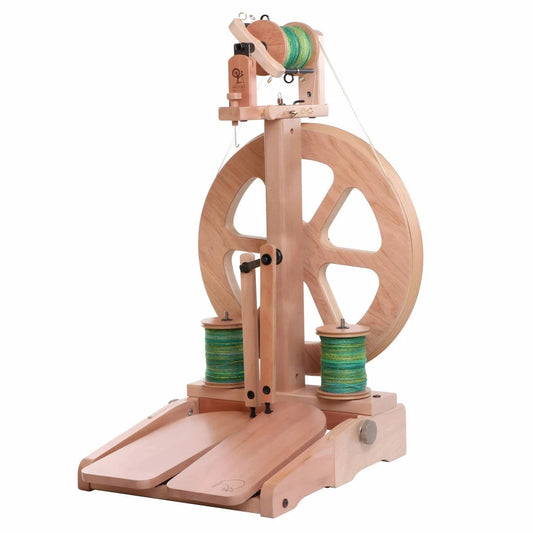
Ashford Kiwi 3. The most affordable Ashford scotch tension wheel and a popular pick for beginners. Folding treadles, timber veneered MDF drive wheel, three speed ratios, and a sliding hook flyer. A great choice for guilds, schools, and first-time spinners.
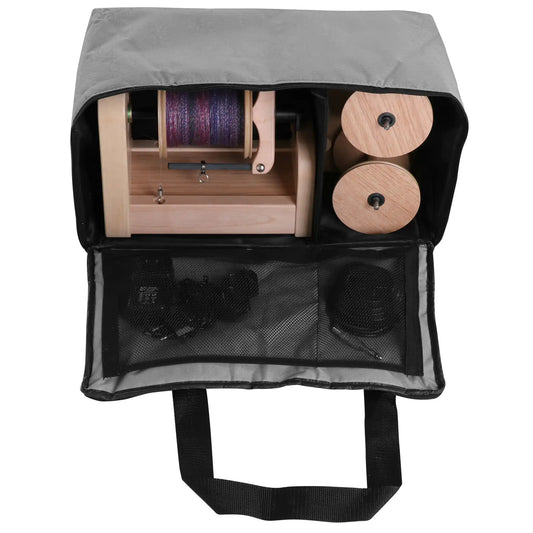
Ashford Joy 2. Compact, foldable, and a favorite of travel spinners. Four drive ratios, scotch tension, built-in lazy kate, and a padded carry bag make this the go-to wheel for classes, retreats, and small studio spaces.
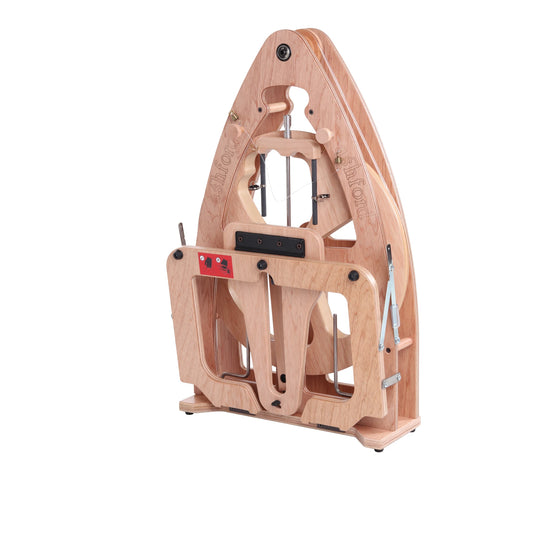
Ashford Traveller. An upright castle-style wheel with an 18 inch drive wheel and double treadle. The single drive version uses scotch tension and offers a versatile all-around spinning experience, with double drive available as a separate configuration.
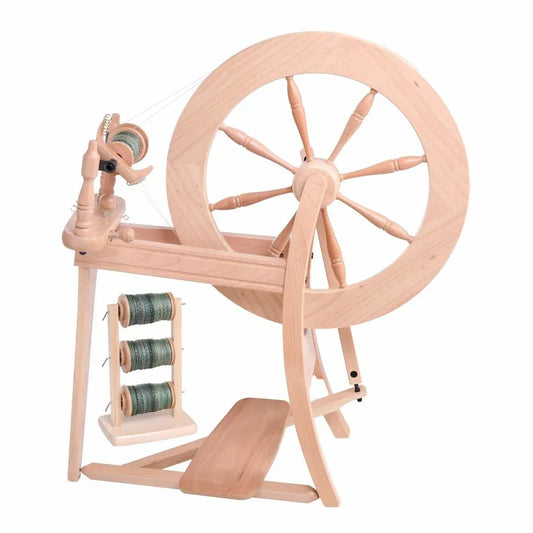
Ashford Traditional. The best selling spinning wheel in the world. The single drive version uses scotch tension and features a 22 inch drive wheel, four speed flyer, and smooth ball-bearing treadling.
Ashford Electric Spinner 3. A modern e-spinner with scotch tension, ideal for spinners who want the ease of an electric motor without giving up the familiar feel of a tension-knob take-up system.
Whether you are buying your very first wheel or adding to a growing fiber studio, an Ashford scotch tension spinning wheel gives you a simple, reliable setup that grows with your skills. Shop the full collection above, or reach out if you want help picking the right wheel for your spinning style 1-888-320-7746.