
Acrylic Yarn
Acrylic yarn is the ultimate workhorse for makers who want softness, durability, and effortless care. Loved by beginners and seasoned crafters alike, acrylic yarn offers vibrant color, reliable performance, and budget-friendly versatility.
-

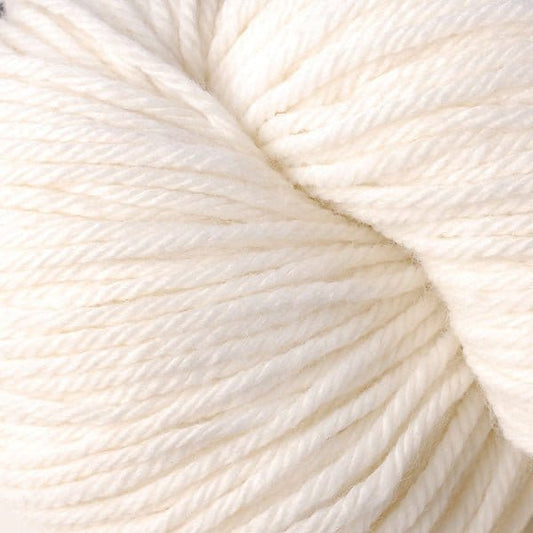
Berroco Vintage Worsted Yarn
Regular price $10.49 USDRegular price -

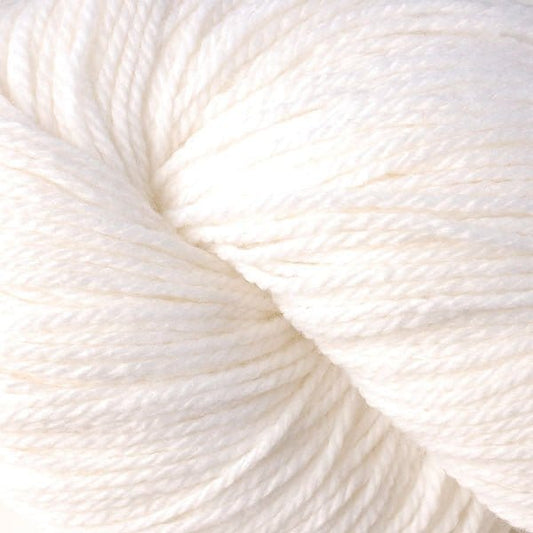
Berroco Vintage DK Yarn
Regular price $10.49 USDRegular price$0.00 USDSale price $10.49 USD -

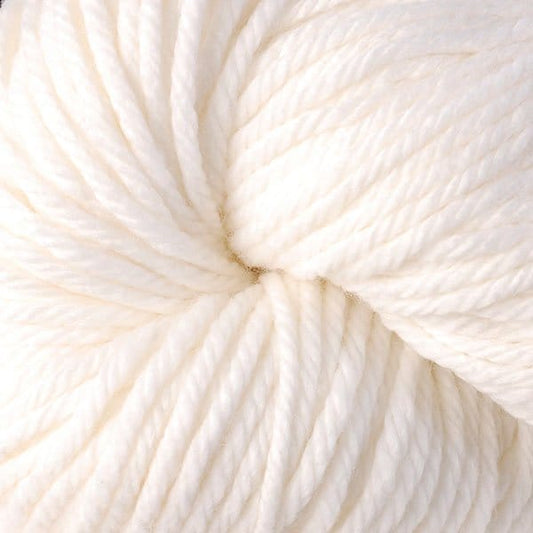
Berroco Vintage Chunky Yarn
Regular price $10.49 USDRegular price$0.00 USDSale price $10.49 USD -

Lang Jawoll Reinforcement Thread
Regular price $1.75 USDRegular price -
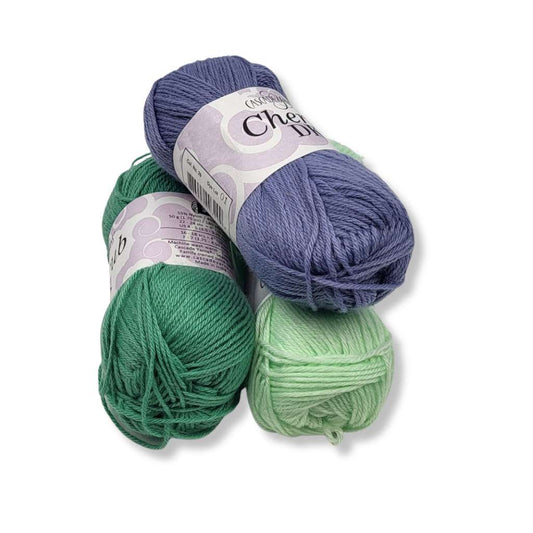
Cascade Cherub DK Yarn
Regular price $3.24 USDRegular price -

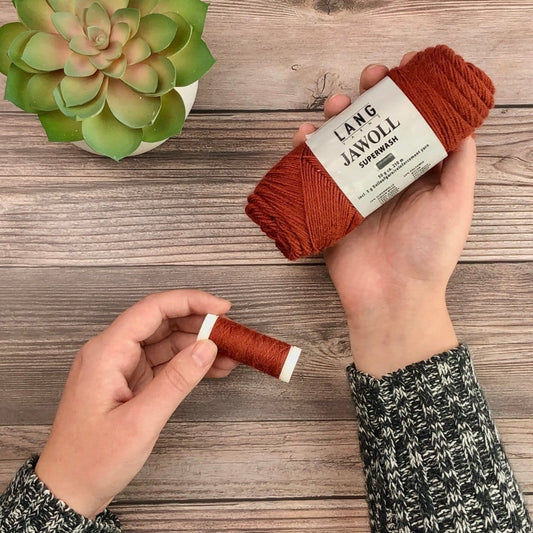
Lang Jawoll Fingering Yarn
Regular price From $10.50 USDRegular price -

Berroco Comfort Worsted Yarn
Regular price $6.40 USDRegular price$7.99 USDSale price $6.40 USDSold out -
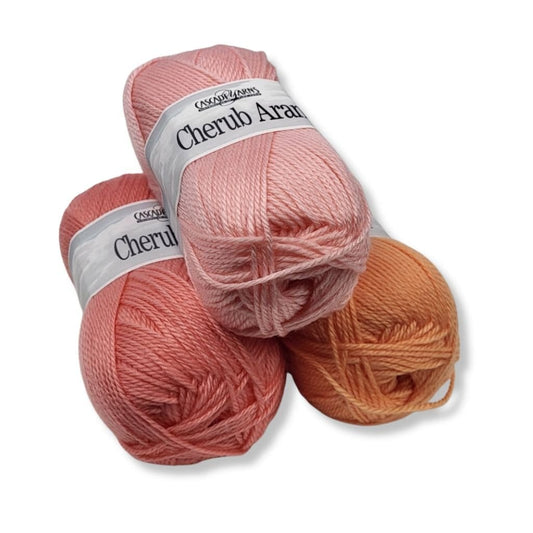
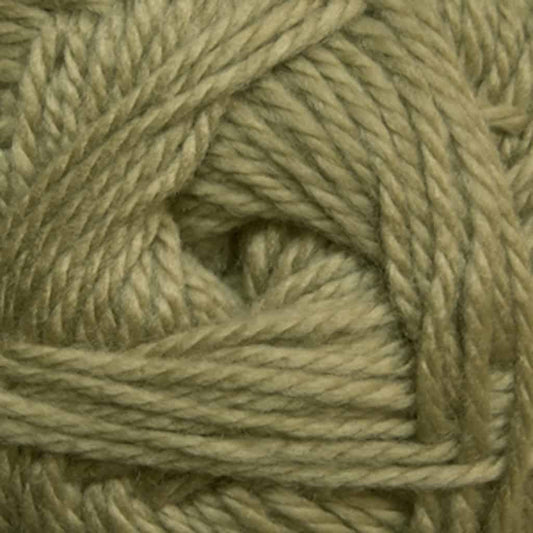
Cascade Cherub Aran Yarn
Regular price $5.99 USDRegular price$0.00 USDSale price $5.99 USD -


Berroco Vintage Baby DK Yarn
Regular price From $5.49 USDRegular price$0.00 USDSale price From $5.49 USD -

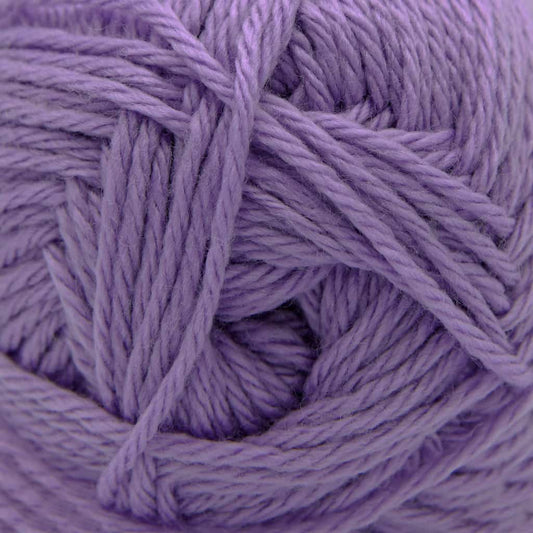
Cascade Pacific Worsted Yarn
Regular price From $8.00 USDRegular price -

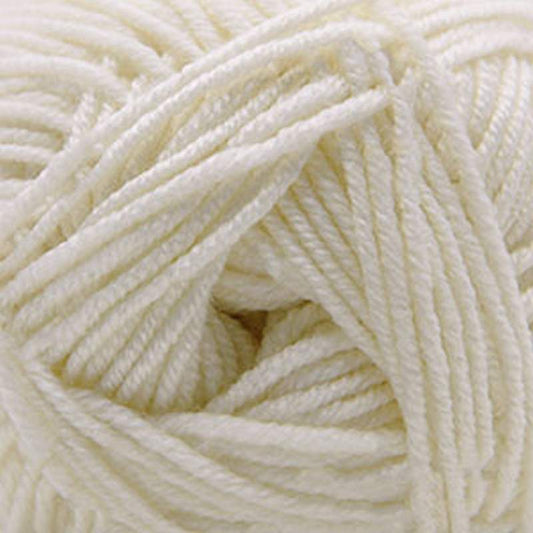
Cascade Elysian DK Yarn
Regular price $9.99 USDRegular price -

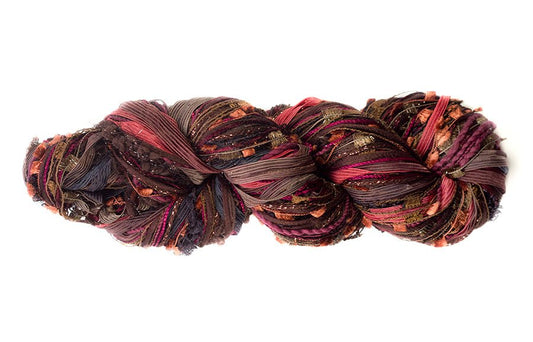
Feza Alp Premier Worsted Yarn
Regular price $23.99 USDRegular price$29.99 USDSale price $23.99 USD20% Sale -

Ella Rae Cashmereno Sport
Regular price $8.81 USDRegular price$10.99 USDSale price $8.81 USD19% Sale -

Cascade Pacific Chunky Yarn
Regular price From $8.00 USDRegular price -

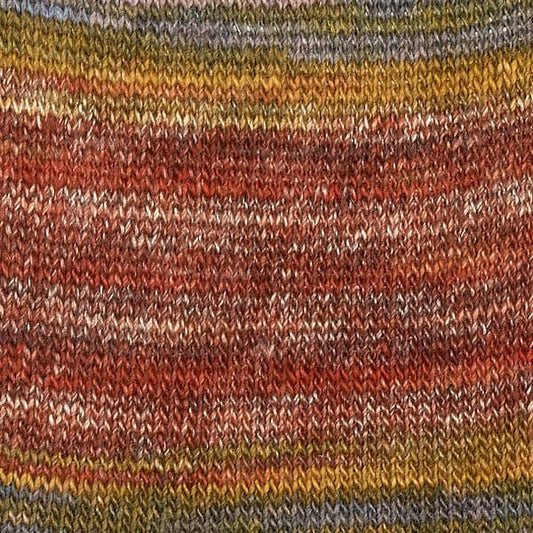
Berroco Millefiori Light Sport Yarn
Regular price $16.50 USDRegular price$17.00 USDSale price $16.50 USD2% Sale -
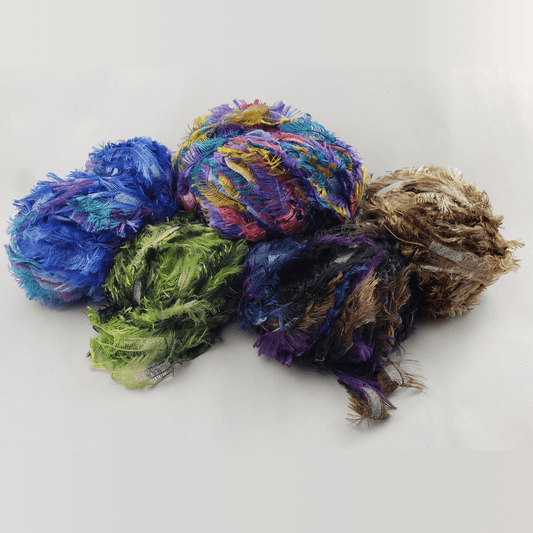
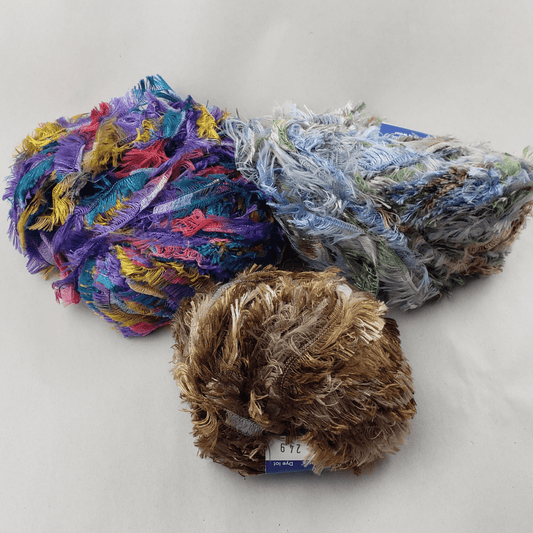
Boa | Novelty Eyelash Yarn
Regular price $11.99 USDRegular price -
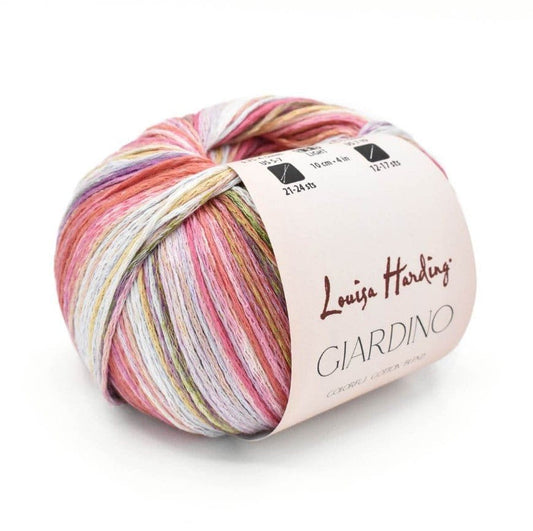
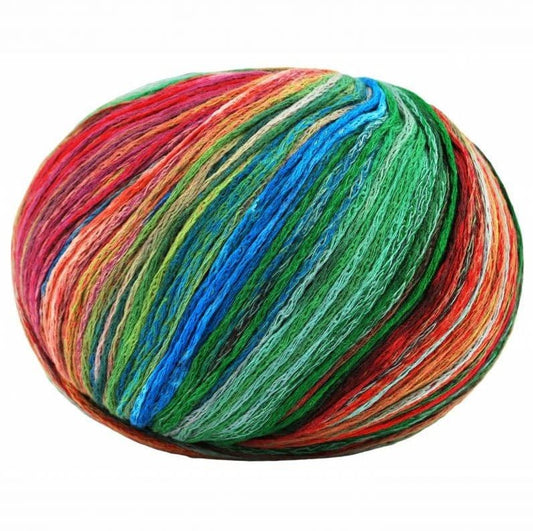
Louisa Harding Giardino DK Yarn
Regular price $16.00 USDRegular price$19.99 USDSale price $16.00 USDSold out -
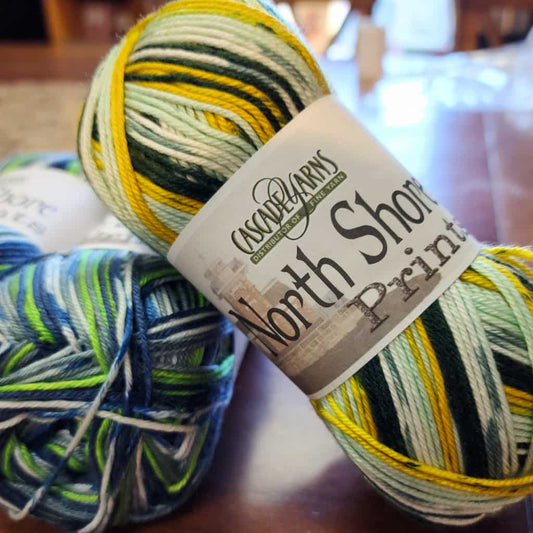
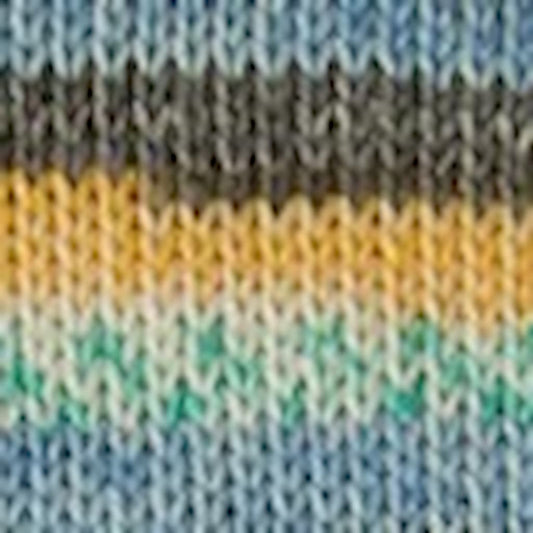
Cascade North Shore Prints DK Yarn
Regular price $3.99 USDRegular price$6.00 USDSale price $3.99 USD33% Sale -

Plymouth Dream DK Yarn
Regular price $4.40 USDRegular price$5.50 USDSale price $4.40 USD20% Sale -

Cascade Sarasota Chunky Yarn
Regular price $13.99 USDRegular price -

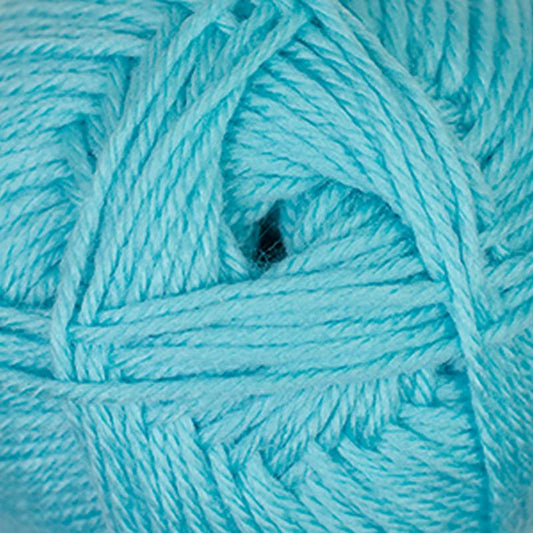
Cascade Pacific Sport Yarn
Regular price $8.49 USDRegular price -

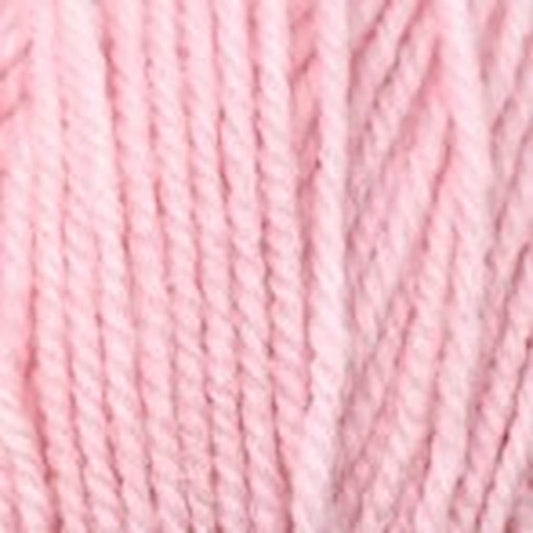
Plymouth Encore Worsted Yarn
Regular price $5.99 USDRegular price$7.50 USDSale price $5.99 USD20% Sale -
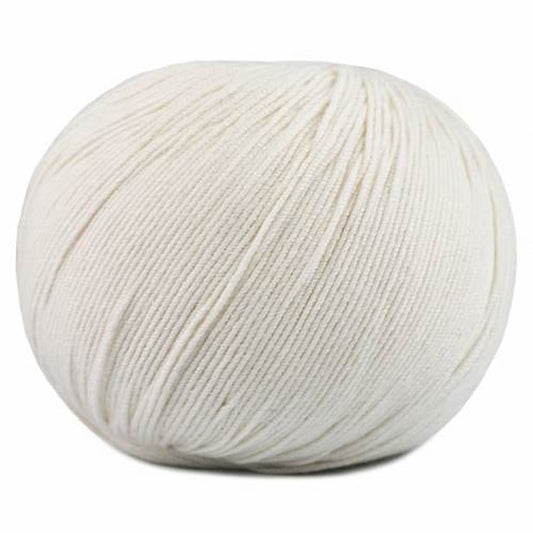
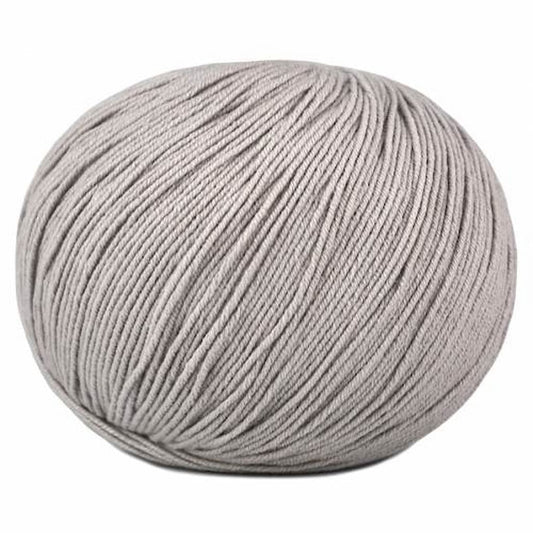
Jody Long My Little Sunshine Sport Yarn
Regular price From $10.16 USDRegular price$11.95 USDSale price From $10.16 USD14% Sale -

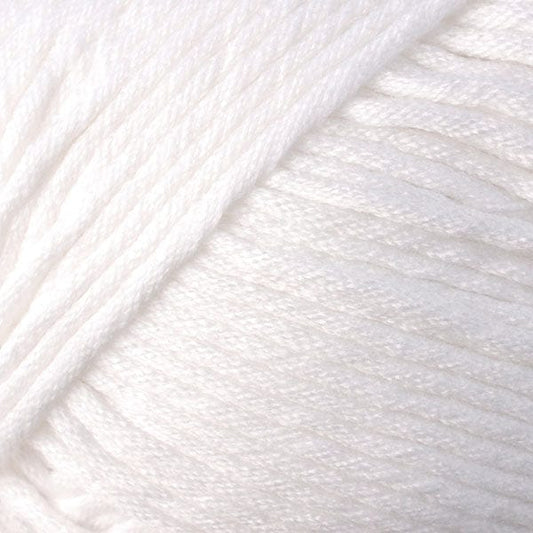
Berroco Comfort Chunky Yarn
Regular price $6.40 USDRegular price$8.00 USDSale price $6.40 USD20% Sale -
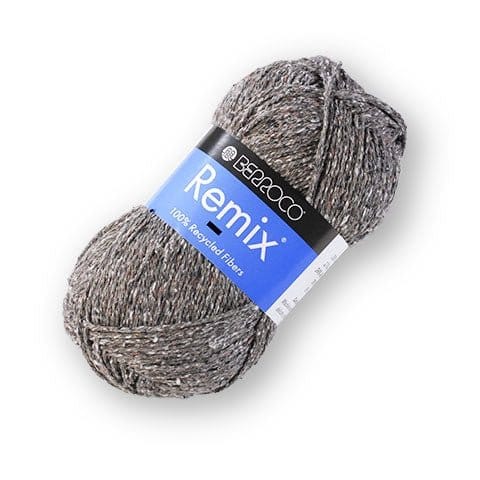
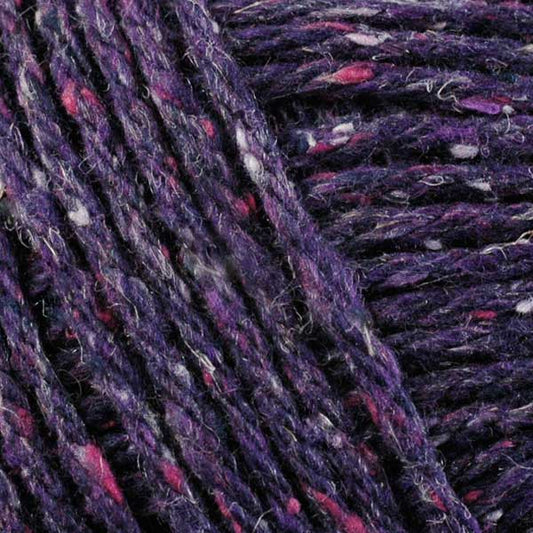
Berroco Remix Worsted Yarn
Regular price From $11.20 USDRegular price$0.00 USDSale price From $11.20 USD -
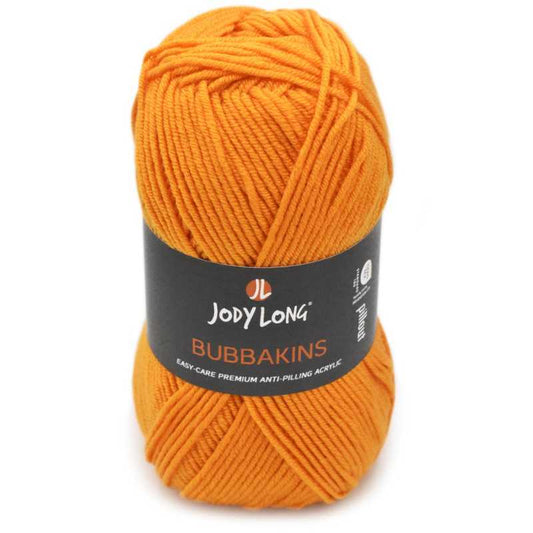
Jody Long Bubbakins Worsted Yarn
Regular price $4.99 USDRegular price$7.95 USDSale price $4.99 USDSold out -

Cascade Anthem Worsted Yarn
Regular price From $3.52 USDRegular price$4.40 USDSale price From $3.52 USD20% Sale -

Plymouth Hotcakes Worsted Yarn
Regular price $9.99 USDRegular price$15.50 USDSale price $9.99 USDSold out -
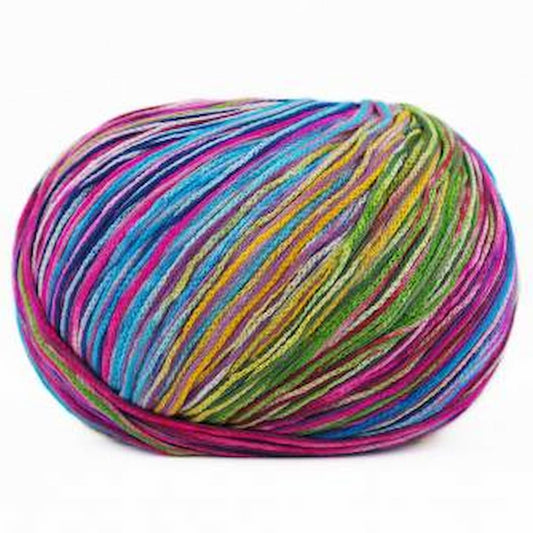
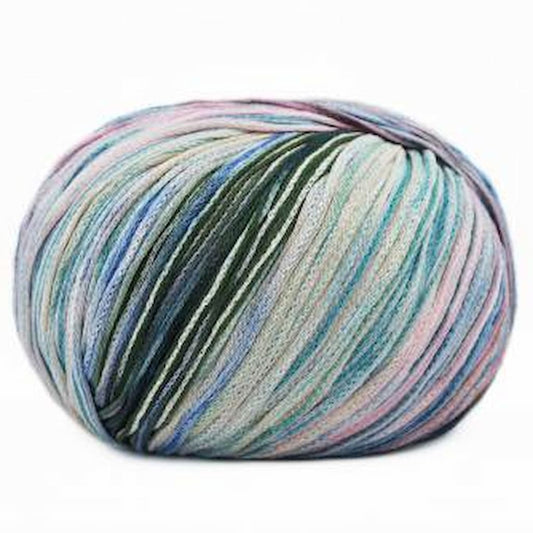
Queensland Cairns Worsted Yarn
Regular price $15.99 USDRegular price -
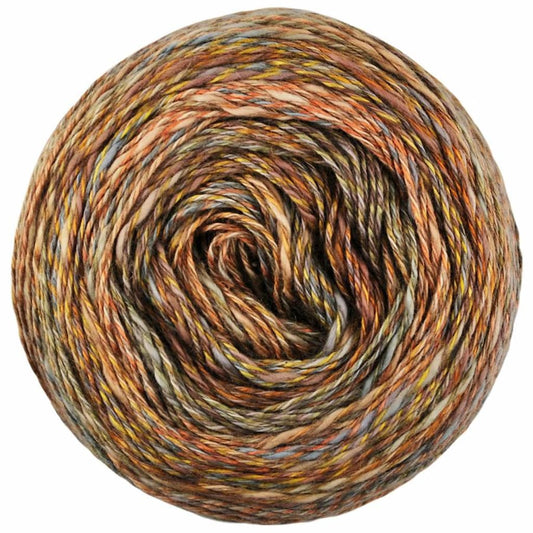
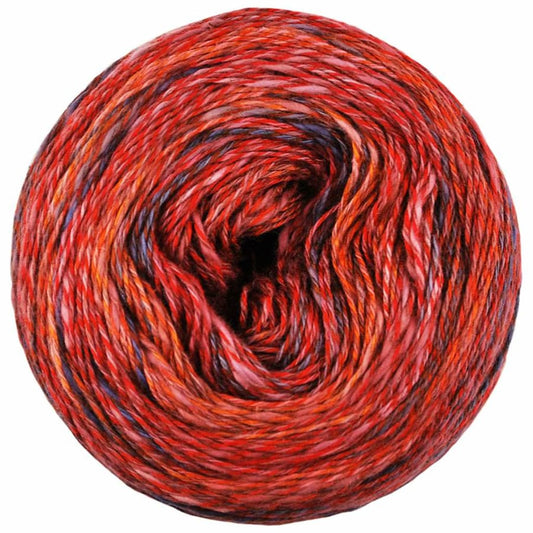
Queensland Brighton Beach Sport Yarn
Regular price $14.39 USDRegular price$17.99 USDSale price $14.39 USD20% Sale -

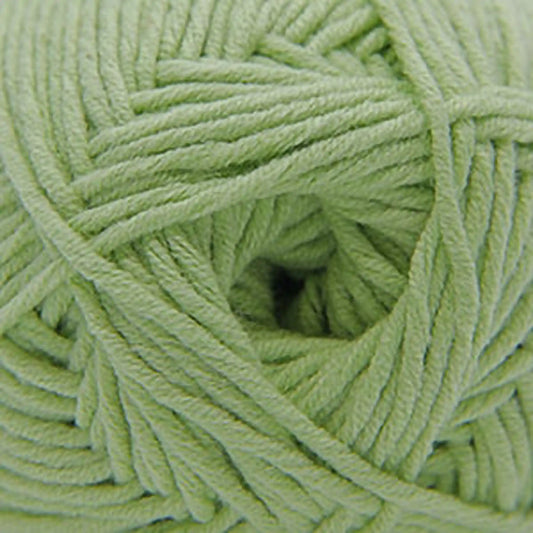
Cascade Sarasota Worsted Yarn
Regular price From $5.60 USDRegular price$7.00 USDSale price From $5.60 USD20% Sale -

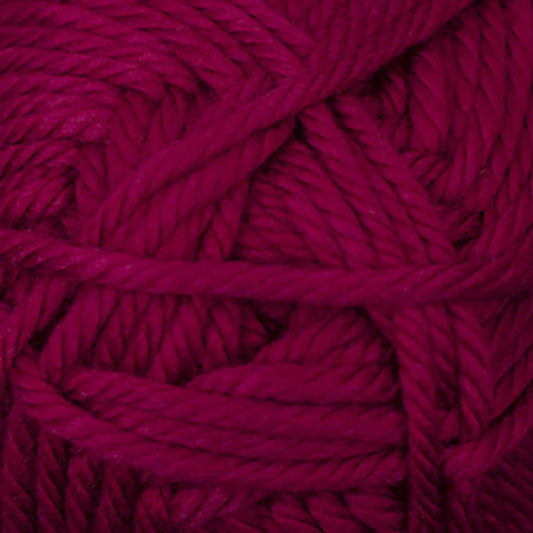
Cascade Cherub Bulky Yarn
Regular price From $11.99 USDRegular price -

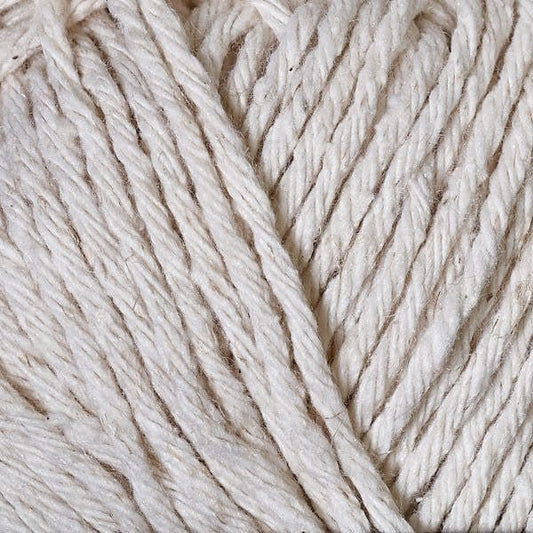
Berroco Remix Chunky Bulky Yarn
Regular price $11.20 USDRegular price$13.99 USDSale price $11.20 USDSold out -

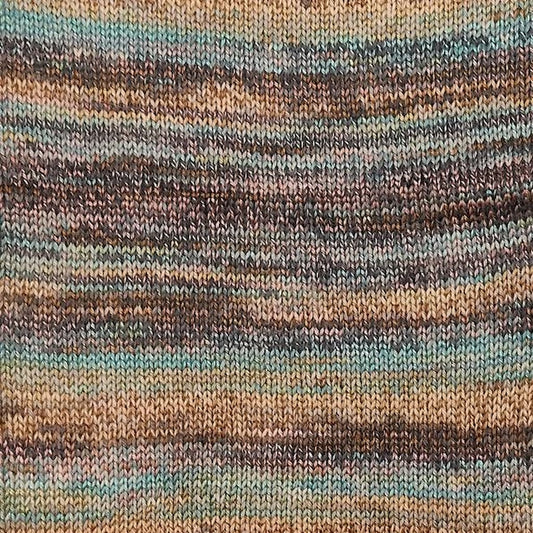
Berroco Carousel Fingering Yarn
Regular price $14.49 USDRegular price$18.00 USDSale price $14.49 USD19% Sale -

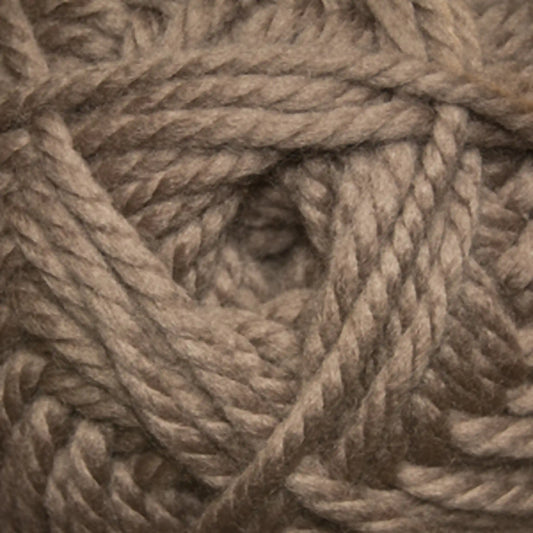
Cascade Pacific Bulky Yarn
Regular price $16.99 USDRegular price -
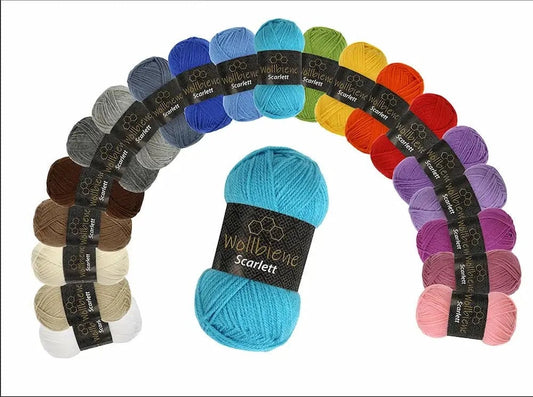
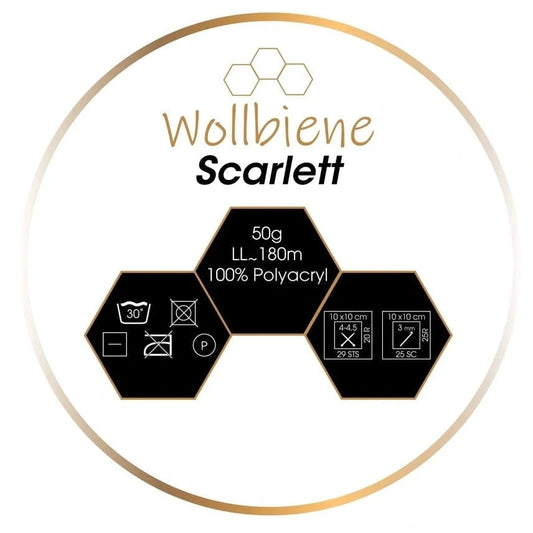
Wollbiene Scarlett Crochet & Knitting Yarn
Regular price $1.49 USDRegular price


Frequently Asked Questions
Acrylic yarn is a perfectly valid choice for beginners, and for many people it is the practical one. It is affordable, widely available in every color imaginable, machine washable, and forgiving to work with. If you are spending your early weeks frogging practice swatches and learning tension, using an inexpensive acrylic means you are not working through expensive hand dyed merino every time you pull out your stitches. That said, many knitters find that moving to natural fiber yarns improves their experience significantly - the texture, elasticity, and behavior of wool in particular makes many techniques easier to learn and execute. Starting with acrylic and graduating to natural fibers as you grow is a completely reasonable path.
The differences are meaningful. Natural fibers like wool regulate temperature in a way that acrylic cannot - wool keeps you warm when it is cold and cool when it is warm. Wool also has natural elasticity and memory that helps finished garments hold their shape over time, while acrylic can stretch and lose shape with wear and washing. On the other hand, acrylic is more colorfast, easier to care for, and more durable in high-wear applications. For items that will be washed constantly - toys, everyday blankets, children's school items - acrylic's machine washability and durability are genuine advantages. For garments and wearables where comfort and longevity matter most, natural fibers typically outperform.
Yes, most acrylic yarn is machine washable, which is one of its primary practical advantages. Standard care for acrylic items is a gentle machine wash cycle in cool or warm water and a low heat tumble dry or a lay flat dry. High heat is acrylic's main enemy - it can cause permanent distortion, melting, or a shiny, stiff texture in finished fabric. Always check the specific yarn label for care instructions, as some novelty and blended acrylics have additional care requirements. In general, treat acrylic finished items gently with heat and they will last for a very long time.
Acrylic is commonly used for baby items, particularly because of its machine washability - a significant practical consideration when knitting for infants. Modern premium acrylic yarns are much softer than older generations of the fiber and are generally well tolerated by most babies. That said, acrylic is a synthetic petroleum based fiber that does not breathe the way natural fibers do, which can be a consideration for items worn directly against skin for long periods. For baby items that will be washed frequently and need to hold up to a lot of use, a soft, pill-resistant acrylic works well. For items worn next to delicate newborn skin for extended periods, a soft merino, cotton, or bamboo blend may be the more comfortable choice.
Pilling is common in acrylic yarns, particularly those with softer, less tightly spun constructions. The friction of regular wear or washing causes loose fiber ends to tangle together into small balls on the surface of the fabric. The degree of pilling varies significantly by yarn quality and construction - tighter plied acrylics and higher quality formulations tend to resist pilling much better than cheaper, loosely spun options. A fabric shaver removes pills easily and restores the look of the fabric. In general, the higher the quality of the acrylic you start with, the better it holds up over time and through repeated washing.