
Crochet Yarn
Welcome to our crochet yarn collection, stocked with soft, stitch-friendly fibers from trusted brands like Malabrigo, Cascade, Brown Sheep, Berroco, Noro, and Juniper Moon. Whether you crochet blankets, amigurumi, garments, or gifts, you will find the right weight and fiber here. See the full crochet yarn guide below for help choosing.
-
Cascade 220 Worsted Weight Wool Yarn
Regular price $12.49 USD -
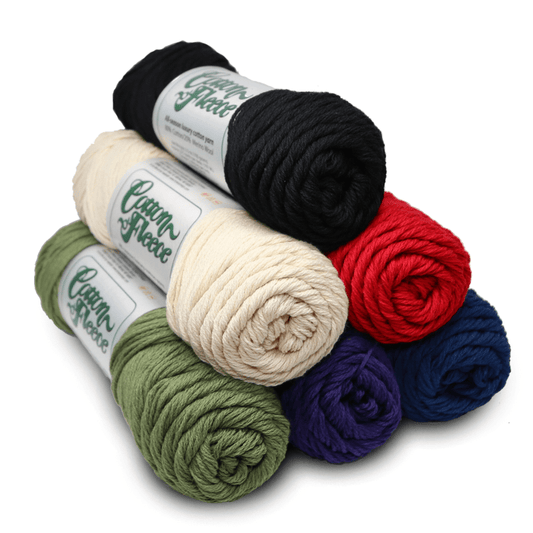
Brown Sheep Cotton Fleece DK Yarn
Regular price From $16.70 USD -
Cascade Heritage Superwash Wool Fingering Yarn
Regular price $11.99 USD -
Cascade Nifty Cotton Worsted Yarn
Regular price $7.99 USD -
Brown Sheep Cotton Fine Fingering Yarn
Regular price From $8.50 USD -
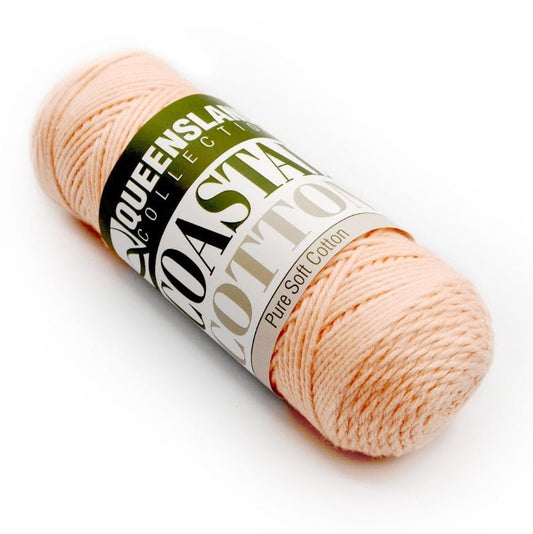
Queensland Coastal Cotton Worsted/Light Aran Yarn
Regular price $7.99 USD -
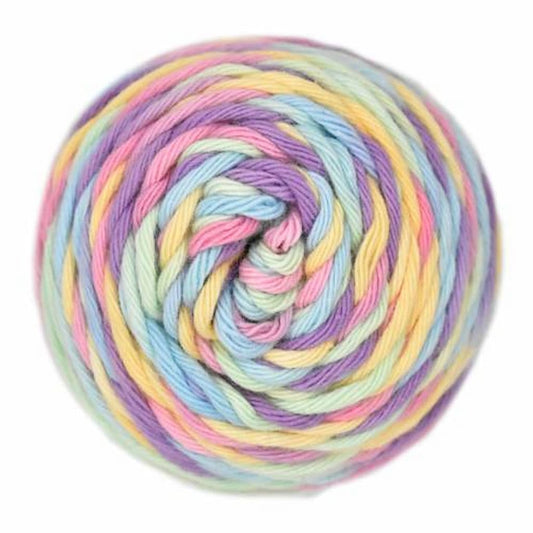
Cascade Nifty Cotton Splash Worsted Yarn
Regular price From $8.49 USD -
-
-
-
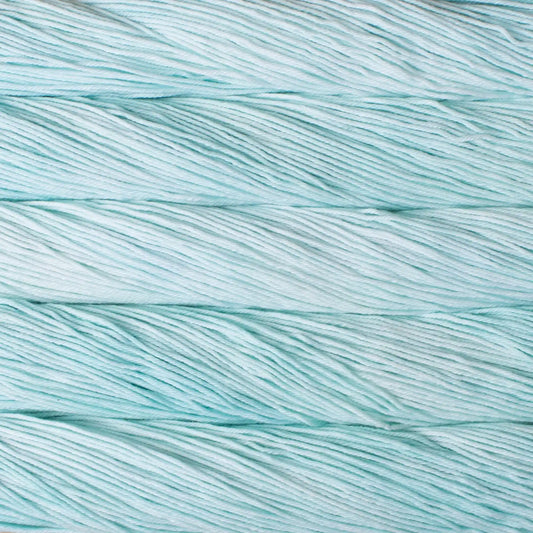
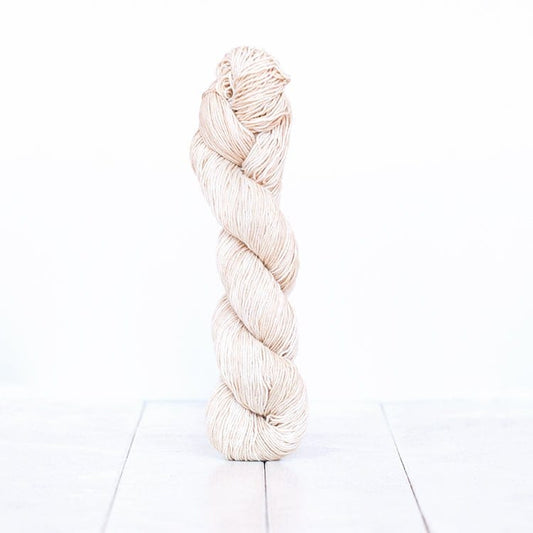
Malabrigo Verano DK Yarn
Regular price $16.39 USD -
-
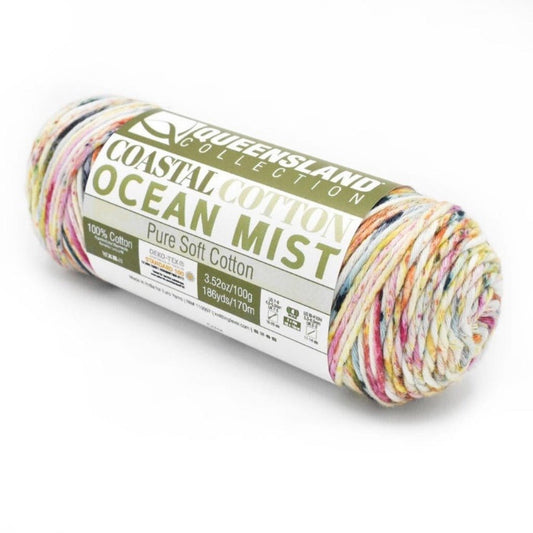
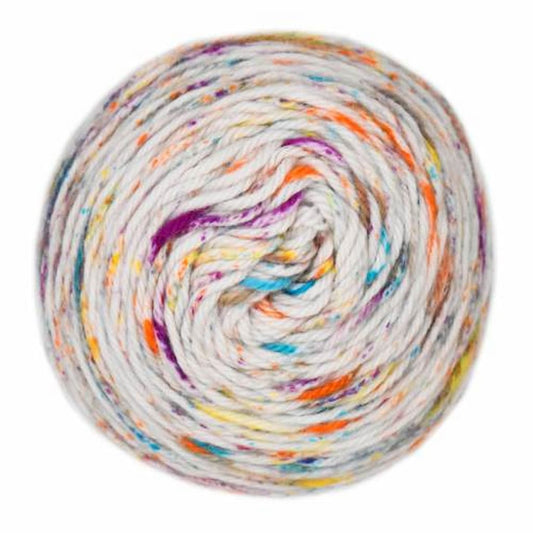
Queensland Coastal Cotton Ocean Mist Aran Yarn
Regular price $8.99 USD -
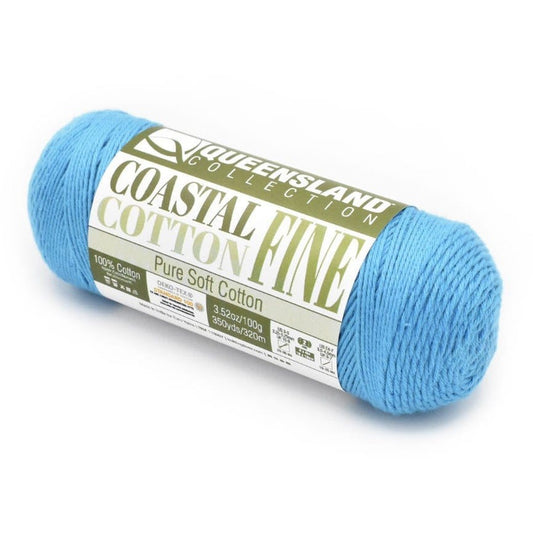
Queensland Coastal Cotton Fine Sport Yarn
Regular price $7.99 USD -
Ashford Caterpillar Cotton Sport Weight Yarn
Regular price $38.49 USD -
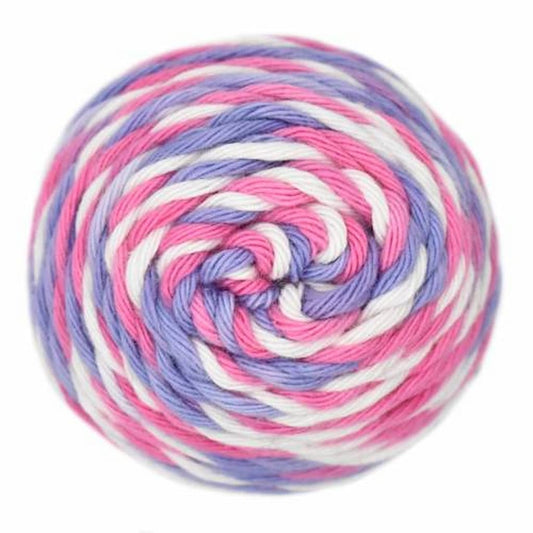
Cascade Nifty Cotton Effects Worsted Yarn
Regular price From $8.49 USD -
-
-
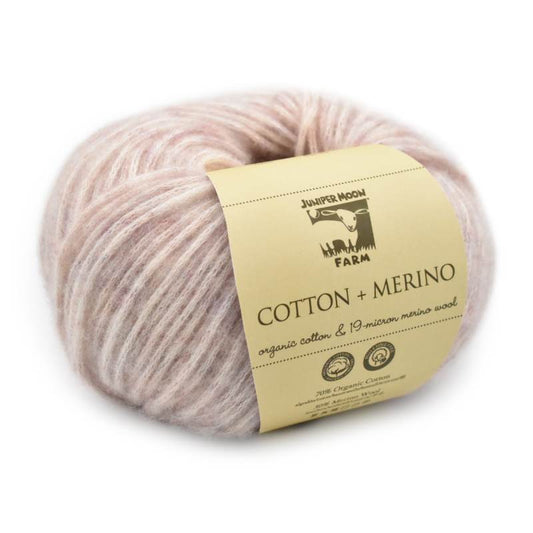
Juniper Moon Farm Cotton + Merino Aran Yarn
Regular price $21.99 USD -
Cascade Noble Cotton Light DK Yarn
Regular price $9.49 USD -
Queensland Coastal Cotton Coral Reef Aran Yarn
Regular price $8.99 USD -
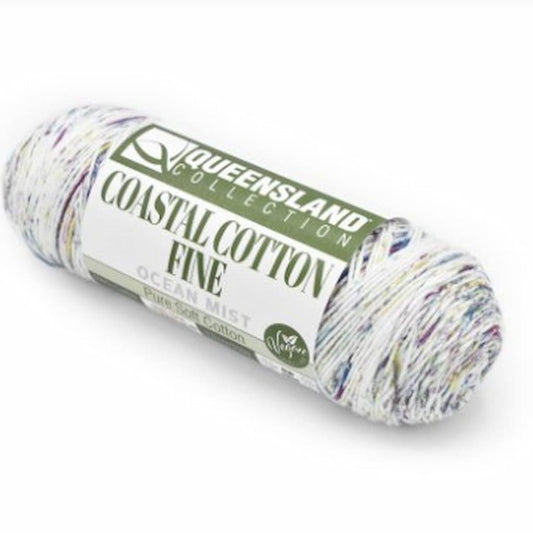
Queensland Coastal Cotton Fine Ocean Mist Sport Yarn
Regular price $8.99 USD -
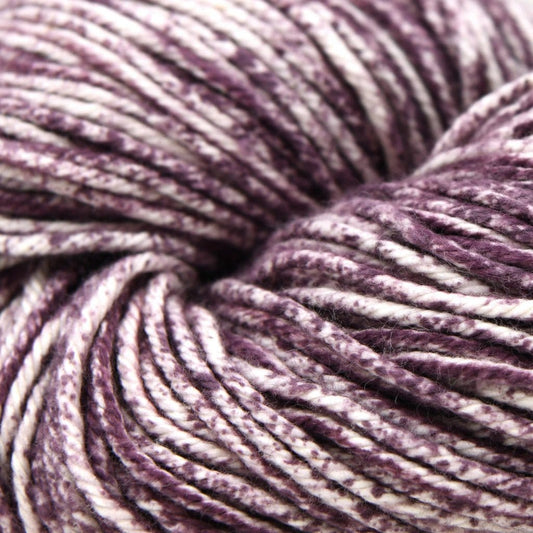
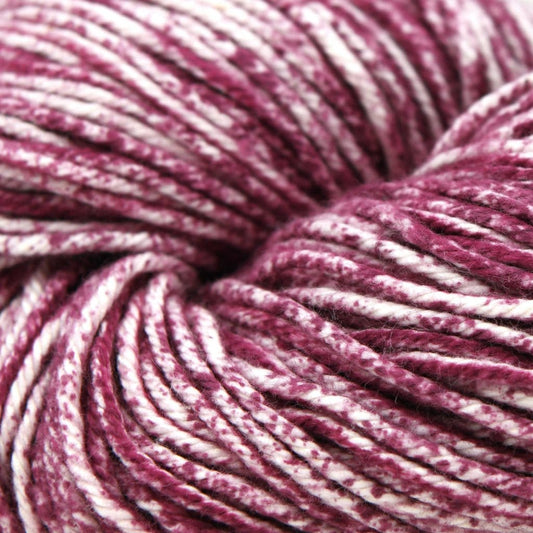
Juniper Moon Farm Cotton + Merino Shadow Aran Yarn
Regular price$23.00 USDSale price $19.55 USD15% Sale -
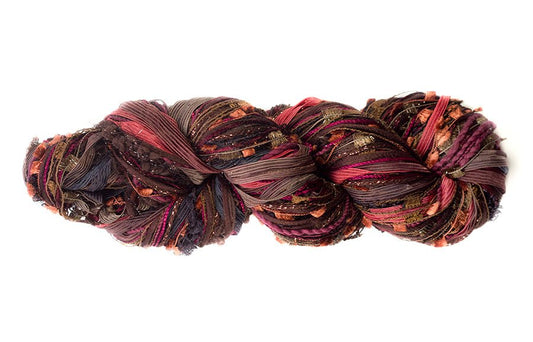
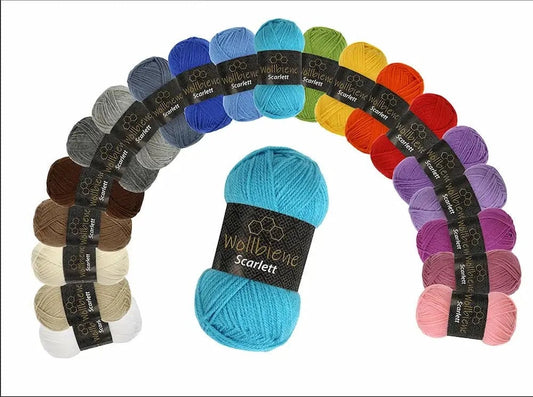
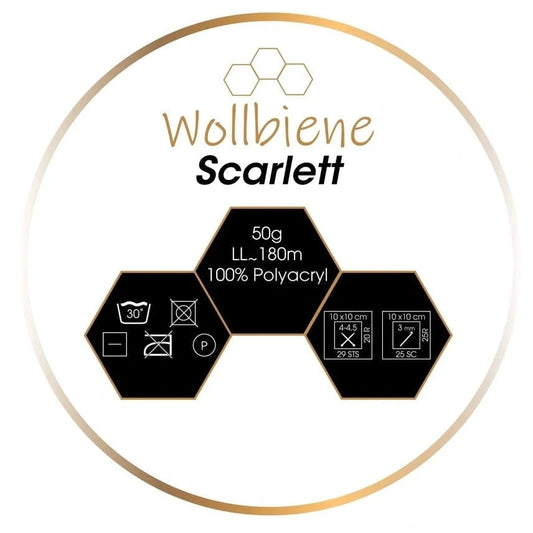
Wollbiene Scarlett Crochet & Knitting Yarn
Regular price $1.49 USD -
-
-
Araucania Carnival Hemp, Cotton & Linen Sport Yarn
Regular price$26.00 USDSale price $19.99 USD23% Sale -
Cascade Noble Cotton Neon Yarn Light DK Yarn
Regular price $11.49 USD




















Frequently Asked Questions
Crochet engages yarn differently than knitting does - the hook pulls through loops more aggressively, which means yarns that split easily or have very loose constructions can be frustrating to work with. The most crochet-friendly yarns tend to be smooth, tightly plied, and have a consistent thickness throughout the skein. A yarn with a slight twist and a rounded, plied structure slides off the hook cleanly and produces neat, defined stitches. Extremely fuzzy or hairy yarns like mohair blends can be difficult to crochet because the halo hides your stitch structure and makes it hard to insert the hook in the right place - those yarns are typically better suited to knitting.
Worsted weight yarn is the most recommended starting point for new crocheters, just as it is for new knitters. The stitches are substantial enough to see and count clearly, the yarn is easy to handle without being clunky, and common beginner projects like dishcloths, granny squares, hats, and simple scarves are all achievable in worsted weight relatively quickly. Pair your worsted yarn with a 5mm or 5.5mm crochet hook as your starting setup and adjust from there based on the gauge your tension produces. Smooth, light to medium colored yarn makes it easiest to see your hook entry points, which is especially helpful while you are still building technique.
Crochet yarn and knitting yarn are not different categories of product - they are the same yarn, and the same skein can be used for either craft. The distinction is mostly a marketing convention used by yarn companies and retailers to help customers find what they are looking for. A smooth worsted weight wool yarn is equally suitable for knitting a hat or crocheting a blanket. The main practical difference is how each craft interacts with the yarn's construction, as crochet tends to put more strain on individual plies. Choosing a smooth, tightly plied yarn is good advice for both crafts, but especially for crochet.
Crochet generally uses more yarn than knitting for the same finished dimensions because crocheted stitches are taller and use more yarn per stitch than most knitted stitches. A crocheted blanket might need 20 to 30 percent more yarn than a knitted blanket of the same size in the same weight. For project specific guidance, always follow the yardage in your pattern - pattern designers account for crochet's yarn consumption in their calculations. As a rough general reference: a crocheted adult hat needs about 200 yards in worsted weight, an adult sweater in worsted can need 1,500 to 2,000 yards, and a throw blanket in chunky can require 2,000 yards or more depending on the stitch.
Hook size affects the size of your stitches, the density of your fabric, and how much yarn you use per inch of work. Most yarn labels include a recommended hook size, which is a good starting point. Fingering weight typically uses 2mm to 3.5mm hooks, sport uses 3.5mm to 4.5mm, DK uses 4mm to 5mm, worsted uses 5mm to 6mm, and chunky uses 6.5mm and up. Going up in hook size produces a more open, drapey fabric with a lighter hand. Going down produces a denser, sturdier fabric. Crochet gauge swatching is worth doing for any project where dimensions matter, since tension varies significantly from person to person.
Cotton is widely considered one of the best fibers for crochet because its smooth, inelastic structure works cleanly with the hook and produces crisp, defined stitches - ideal for dishcloths, bags, summer tops, and anything where stitch definition matters. Wool is also excellent and adds natural elasticity that helps finished crochet items hold their shape. Acrylic is practical for high-wash items and is very beginner friendly. The fibers that tend to be more challenging for crochet are very fine, loosely spun singles that split easily on the hook, and very sticky fibers that do not slide smoothly. If you are not sure which fiber fits your specific project, we are always glad to help you choose.