
Aran #4
They didn't call it "Aran weight" on the islands. They called it survival. Thick enough for structure, soft enough for sweaters that become heirlooms. This is that weight. Reference it as thick worsted.
-

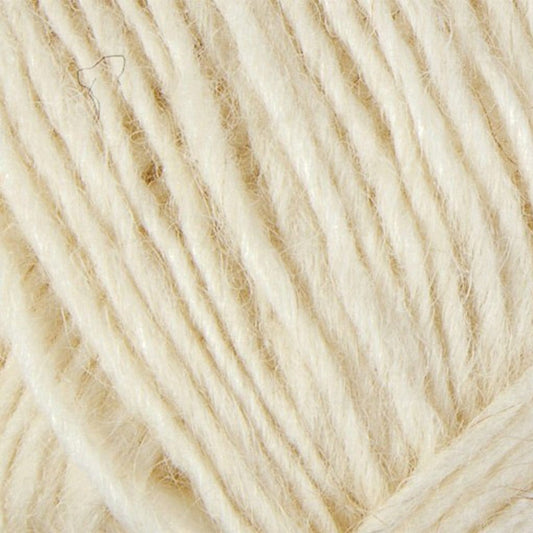
Lopi Léttlopi Aran Yarn
Regular price $7.75 USDRegular price -
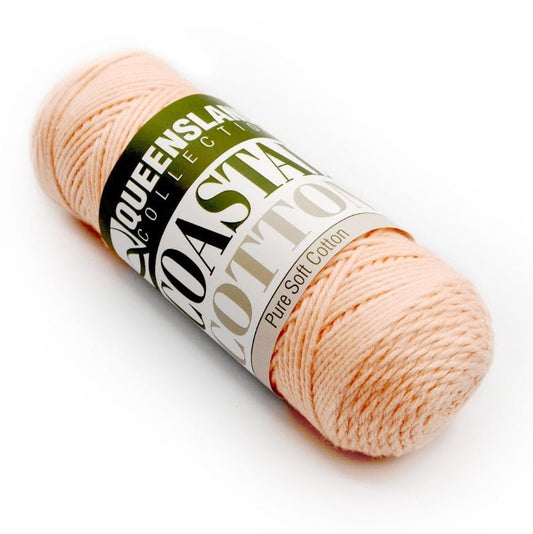
Queensland Coastal Cotton Worsted/Light Aran Yarn
Regular price $7.99 USDRegular price -
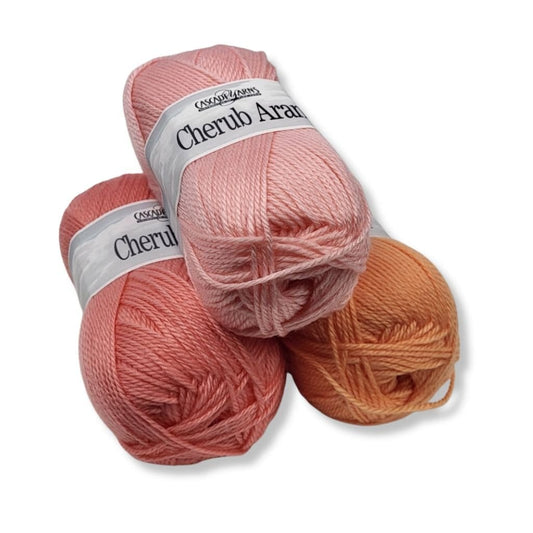
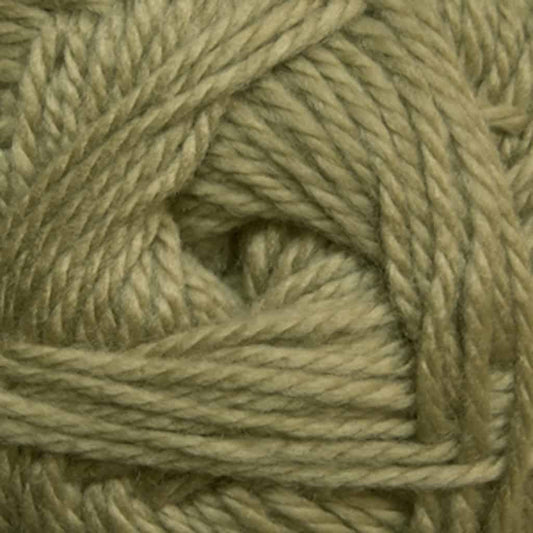
Cascade Cherub Aran Yarn
Regular price $5.99 USDRegular price$0.00 USDSale price $5.99 USD -
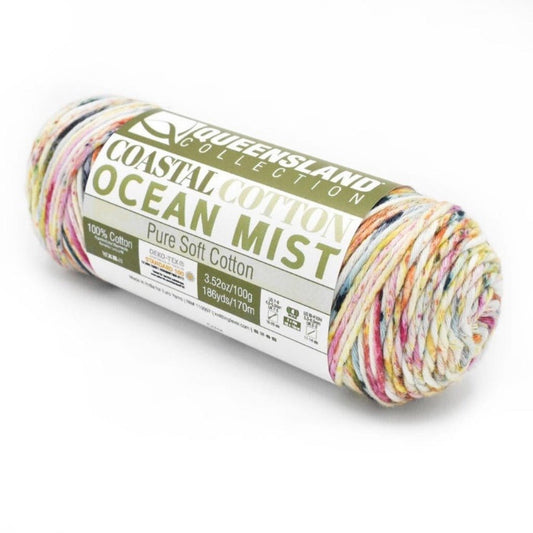
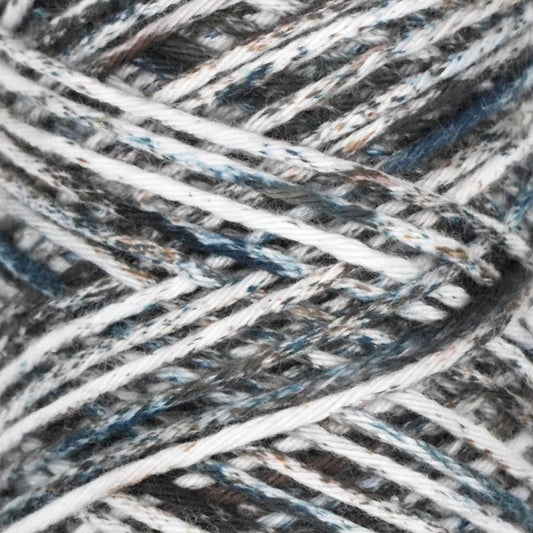
Queensland Coastal Cotton Ocean Mist Aran Yarn
Regular price $8.99 USDRegular price -
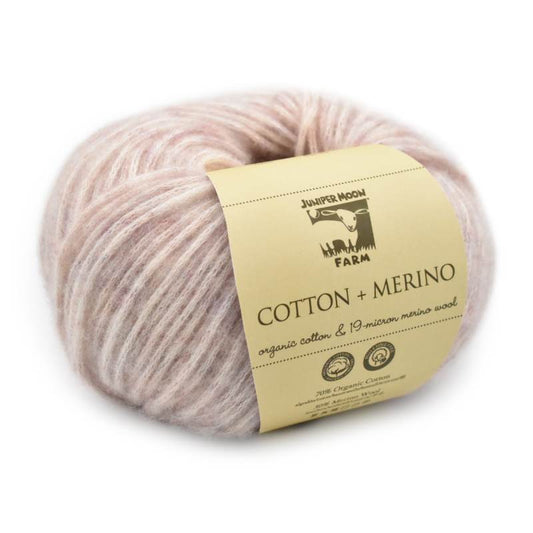
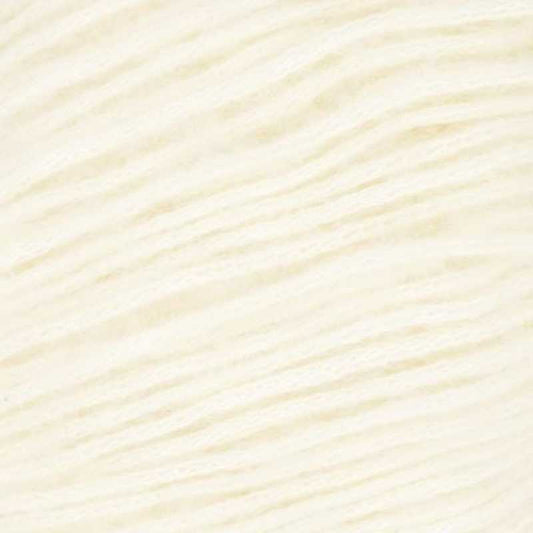
Juniper Moon Farm Cotton + Merino Aran Yarn
Regular price $21.99 USDRegular price -
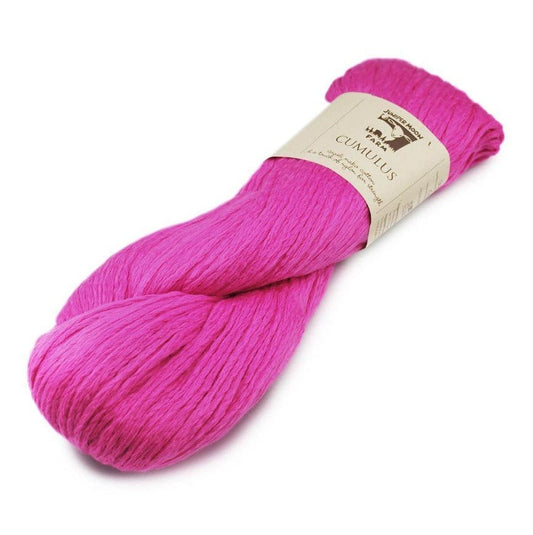
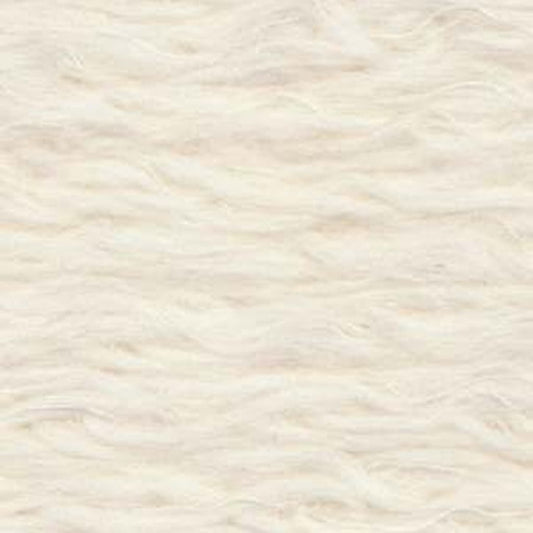
Juniper Moon Farm Cumulus Worsted Yarn
Regular price $23.99 USDRegular price -

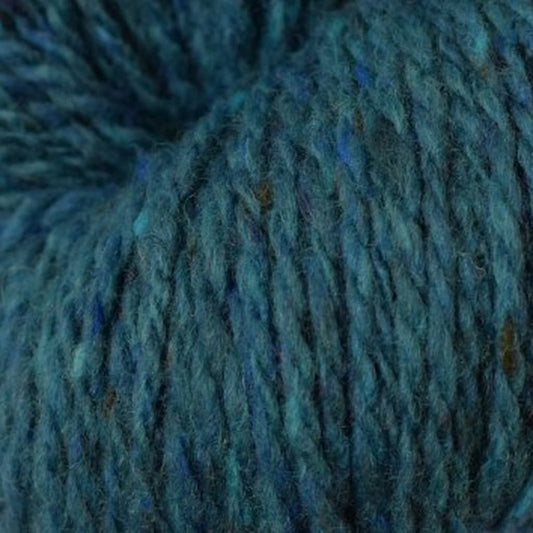
Soft Donegal Aran Yarn
Regular price $20.99 USDRegular price -


Plymouth Homestead Tweed Aran Yarn
Regular price $12.99 USDRegular price -
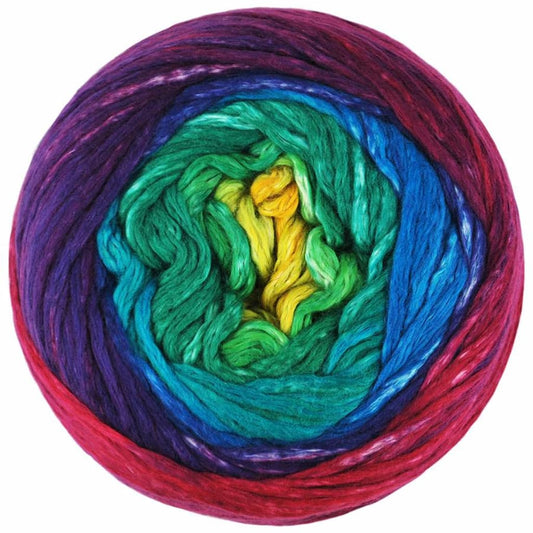
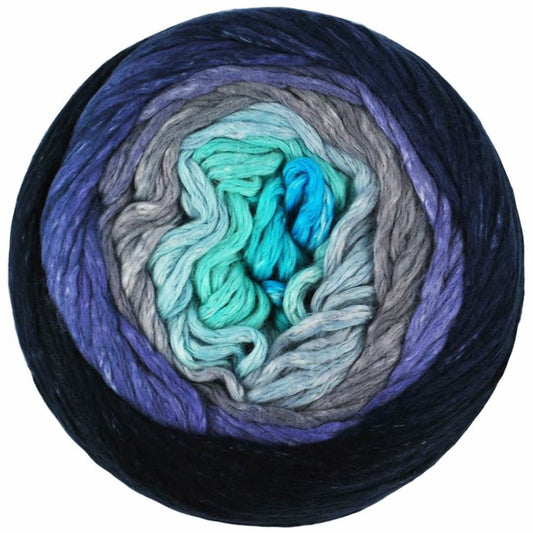
Juniper Moon Farms Cumulus Rainbow Aran Yarn
Regular price $21.25 USDRegular price$25.00 USDSale price $21.25 USDSold out -
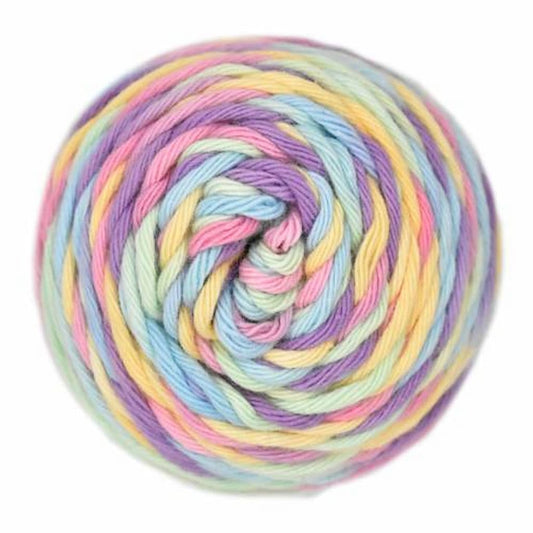
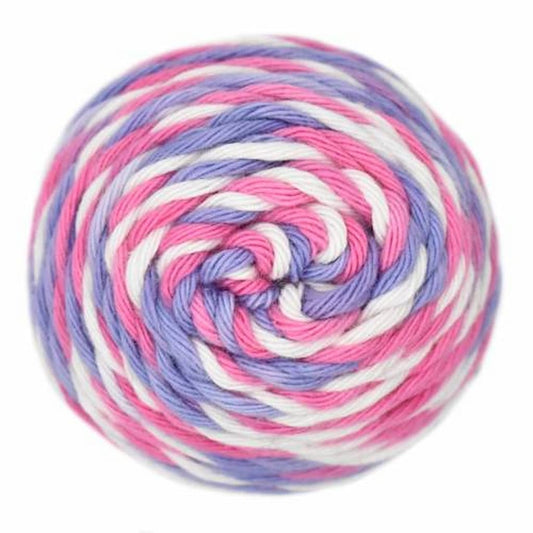
Queensland Coastal Cotton Coral Reef Aran Yarn
Regular price $8.99 USDRegular price -


Juniper Moon Farm Cotton + Merino Shadow Aran Yarn
Regular price $19.55 USDRegular price$23.00 USDSale price $19.55 USD15% Sale -
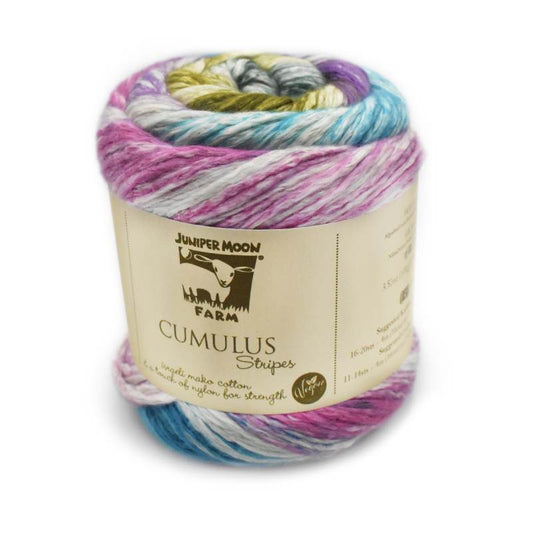
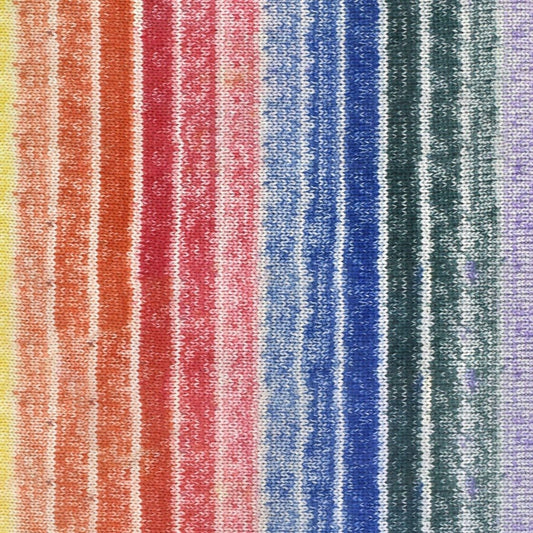
Juniper Moon Farms Cumulus Stripes Worsted Yarn
Regular price $21.24 USDRegular price$24.99 USDSale price $21.24 USD15% Sale -

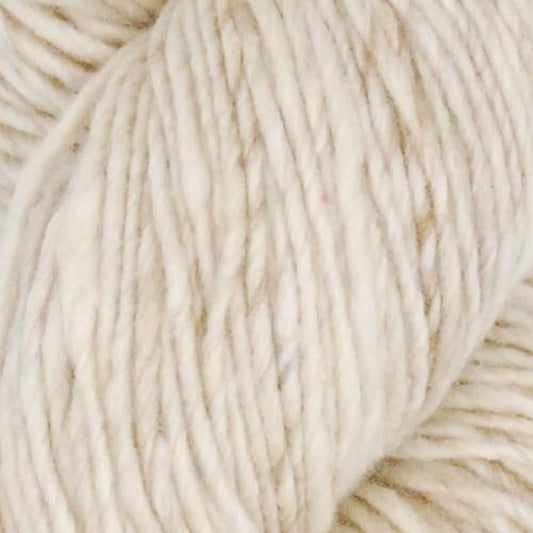
Noro Kashirukuru Aran Yarn
Regular price $14.99 USDRegular price$29.99 USDSale price $14.99 USDSold out -
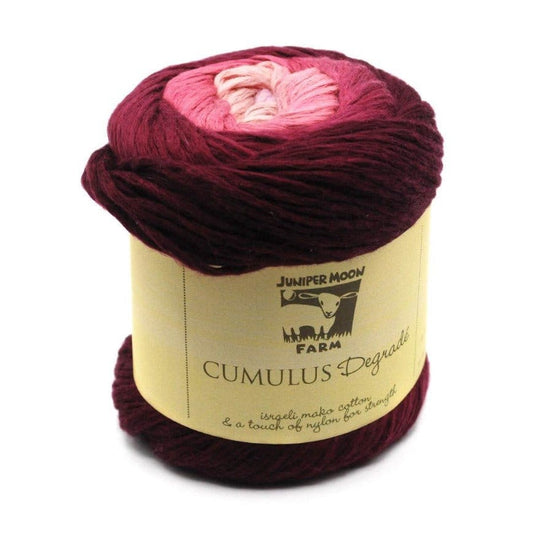
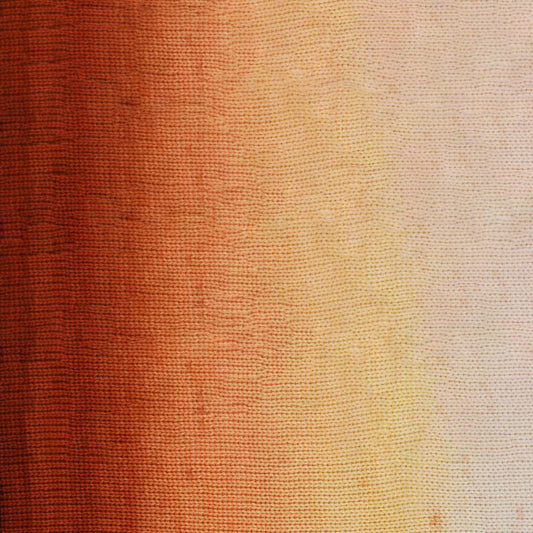
Juniper Moon Farms Cumulus Degrade Worsted Yarn
Regular price $21.24 USDRegular price$24.99 USDSale price $21.24 USDSold out -
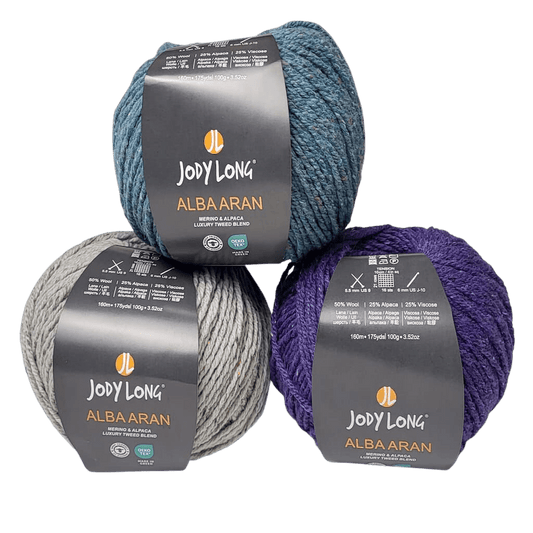
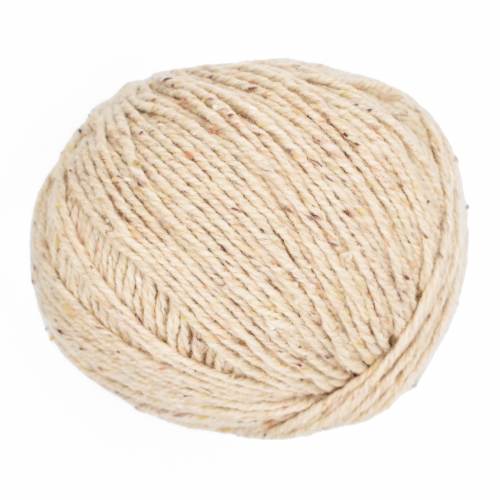
Jody Long Alba Aran Yarn
Regular price $15.95 USDRegular price$19.95 USDSale price $15.95 USD20% Sale -
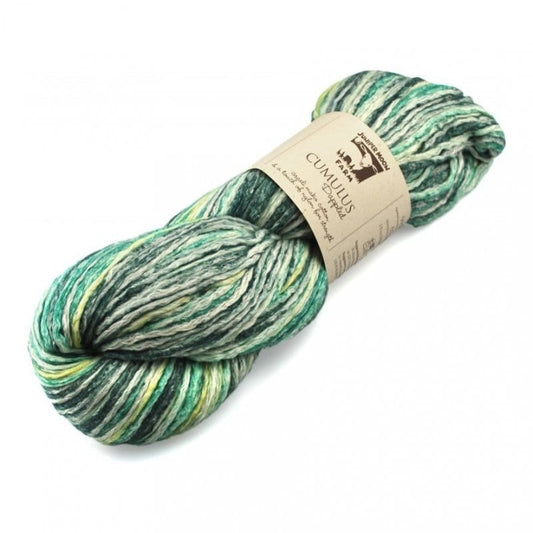
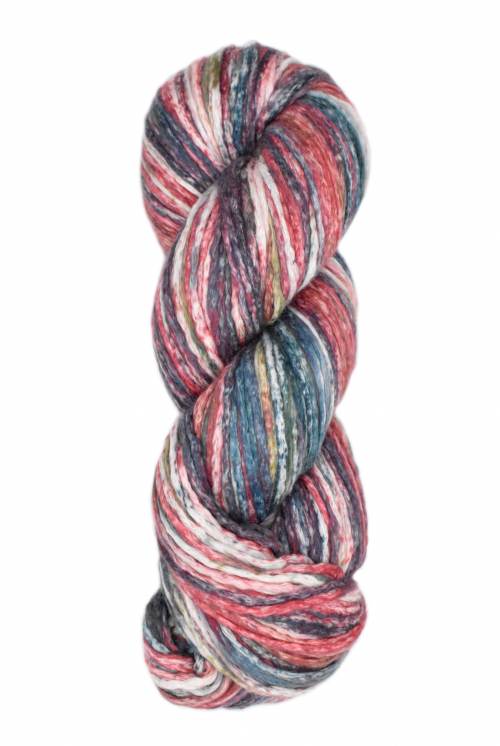
Juniper Moon Farm Cumulus Dappled Worsted Yarn
Regular price $21.24 USDRegular price$24.99 USDSale price $21.24 USDSold out -

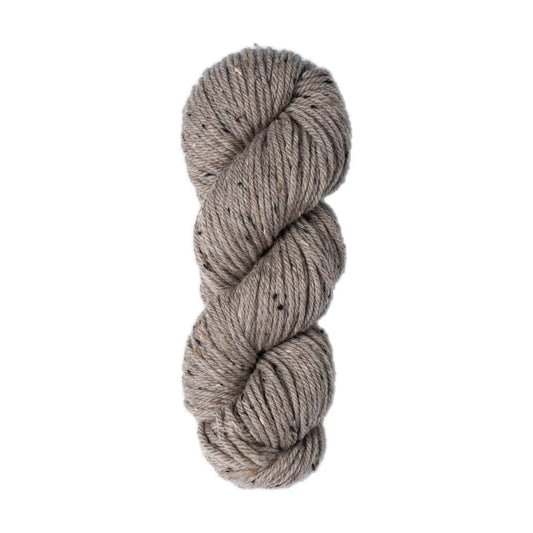
Blue Sky Fibers Woolstok Tweed Yarn
Regular price $20.99 USDRegular price -

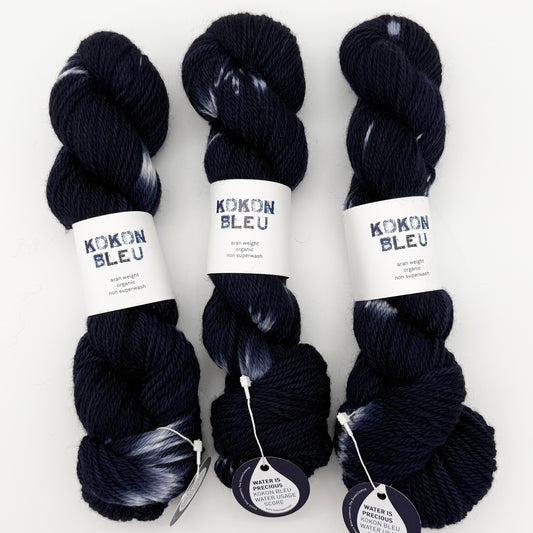
KOKON BLEU Organic Merino Aran Yarn
Regular price $32.00 USDRegular price -

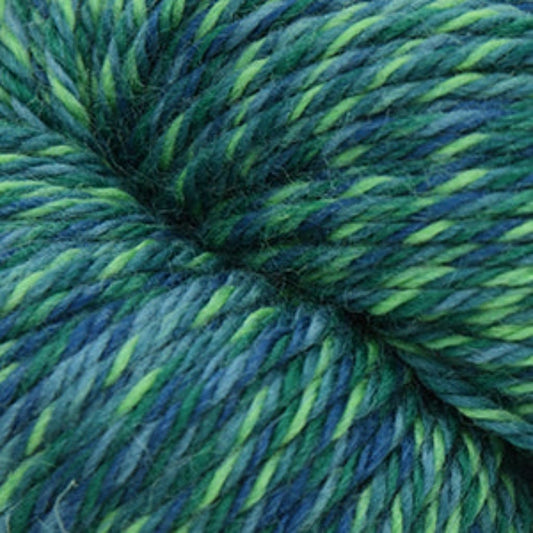
Cascade 220 Superwash Aran Wave
Regular price $12.00 USDRegular price$14.99 USDSale price $12.00 USD19% Sale -

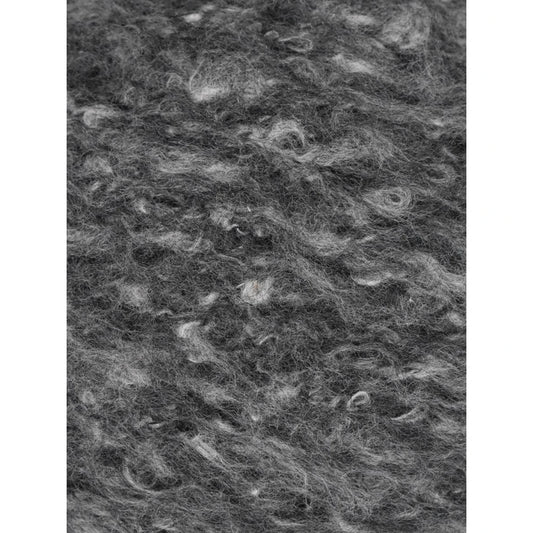
Mirasol Rit'i Aran Yarn
Regular price $26.99 USDRegular price


Frequently Asked Questions
Aran weight gets its name from the Aran Islands off the west coast of Ireland, where the famous hand knit Aran sweater tradition originated. These dense, heavily cabled sweaters were traditionally made from unscoured wool to preserve the natural lanolin and provide water resistance for the fishing communities who wore them. The yarn weight associated with these sweaters - heavier than worsted but lighter than bulky - became known as aran weight. Today aran weight yarn is classified as a weight 4 to 5 on the standard scale and is widely used for any project that benefits from a warm, substantial fabric that works up relatively quickly.
Aran weight yarn typically works on US size 7 to US size 9 needles (4.5mm to 5.5mm), with US 8 being a very common starting point for most patterns. Crochet hook sizes in the 5mm to 6mm range are typical for aran weight crochet. As always, the needle or hook size on the yarn label is a recommendation rather than a rule - your personal tension may require you to go up or down to hit the gauge specified in your pattern. For cable knitting in particular, maintaining consistent tension is important and worth taking time to swatch before beginning.
Aran weight is slightly heavier than standard worsted, producing a thicker fabric and a somewhat larger gauge. In practice the two are often used interchangeably in patterns, particularly in the US where the terminology is less standardized than in the UK. However, substituting one for the other without checking gauge can result in a finished item that is a noticeably different size than intended. If you want to swap a worsted for an aran or vice versa, swatch carefully and adjust your needle size if needed. For patterns where exact fit matters, like fitted sweaters, the distinction is worth paying close attention to.
Aran weight is the traditional choice for heavily textured projects like cable sweaters, Aran patterns, and chunky colorwork. It also works beautifully for outerwear like jackets and coats, warm winter accessories, thick cozy blankets and throws, and home goods like pillow covers and bags. The slightly heavier weight produces fabric that has a real presence and warmth to it - exactly right for the kind of cozy, heirloom quality projects that people tend to return to again and again. Many knitters consider aran weight their comfort zone for winter crafting season.
An adult sweater in aran weight typically requires between 800 and 1,400 yards depending on the size and style. A simple pullover in a smaller adult size might need around 800 yards, while a larger, heavily cabled design could push toward 1,400 or even beyond. Cardigans generally need more yarn than pullovers of the same size due to the button band and any added length. Always follow the specific yardage in your pattern rather than estimating, and purchase all your skeins from the same dye lot so the color is consistent throughout.
Cable knitting can be done in virtually any yarn weight, from fingering to bulky, but aran weight is specifically associated with cable knitting because it produces cables with the bold, sculptural look that the technique is loved for. Fine cables in fingering weight are delicate and intricate, while cables in chunky weight become almost architectural. Aran weight hits the sweet spot - cables are clearly defined and visually striking, but the knitting moves at a satisfying pace and the finished fabric has substance and warmth. If you are knitting a traditional Aran sweater or a heavily cabled project, aran weight yarn is genuinely the right tool for the job.