
Cashmere Top
Cashmere top is the embodiment of refined fiber luxury, exquisitely soft, airy, and beautifully prepared for effortless spinning. Unlike roving, cashmere top features carefully aligned fibers, allowing for smoother drafting and greater control when creating delicate, high-end yarns.
-

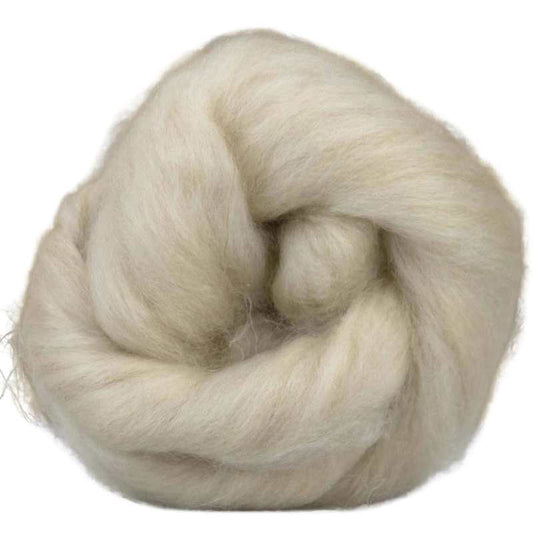
Paradise Fibers Cashmere Top - Cream
Regular price $25.99 USDRegular price -

Paradise Fibers 18.5 Micron Merino/White Cashmere Top
Regular price $9.24 USDRegular price -

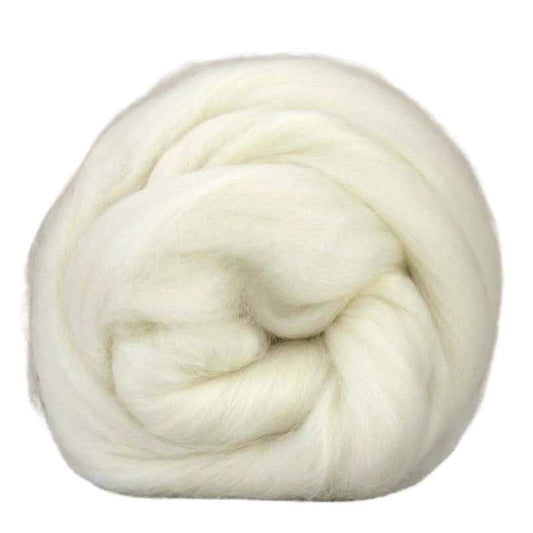
Paradise Fibers Cashmere Top - White
Regular price $25.99 USDRegular price -

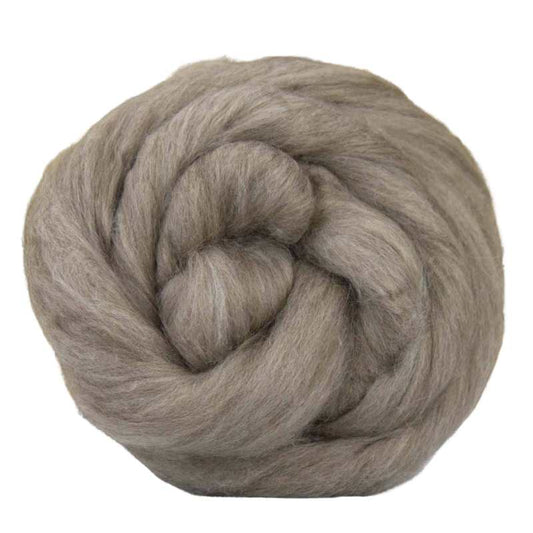
Paradise Fibers Cashmere Top - Brown
Regular price $25.99 USDRegular price


Frequently Asked Questions
Cashmere top is a combed, prepared fiber ready to be spun into yarn, not a finished yarn product. It is the raw material that cashmere yarn is ultimately made from. The fiber has been cleaned, dehaired (meaning the coarser outer guard hairs have been removed to leave only the fine undercoat), and combed into a smooth, aligned preparation that drafts easily onto a spinning wheel or spindle. When you buy cashmere top, you are getting the opportunity to spin your own cashmere yarn exactly as you want it - your chosen weight, your chosen twist, your chosen ply structure. For hand spinners who want to work with the finest natural fibers available, spinning cashmere from top is an extraordinary experience.
Cashmere top spins into yarn using the same fundamental process as any fine fiber top - you draft the fiber from the prepared length and allow your wheel or spindle to insert twist as the fiber attenuates. Because cashmere is an exceptionally fine and slippery fiber with relatively short staple length, it benefits from a worsted or semi-worsted draw and a higher twist per inch than you might use for a coarser fiber like Corriedale. A finer ratio setting on your wheel helps control the twist insertion without over-spinning the delicate fiber. Spinning cashmere lightly to a fingering or lace weight and then plying two ends together produces a beautifully balanced, smooth finished yarn. Take your time with cashmere - the fiber rewards patience and a gentle hand.
Cashmere top is not the ideal fiber for a brand new spinner, but it is absolutely approachable for someone who has a few months of spinning experience under their belt. The challenges are its short staple length, which requires careful drafting to avoid thin spots or breaks, and its slipperiness, which makes maintaining consistent tension more demanding than with longer, grabbier fibers. If you are newer to spinning and want to work with cashmere, blending it with a small percentage of merino or other fine wool can make the preparation significantly easier to manage while still giving you most of the luxurious softness cashmere is known for. Our team is happy to advise on blending ratios and spinning approach if you want guidance before diving in.
Both cashmere and fine merino are considered top tier fibers for softness, but they behave quite differently in spinning and in the finished yarn. Cashmere is generally considered softer than merino - cashmere fiber diameters run as fine as 14 to 16 microns, and the fiber has a distinctive silky warmth that even the finest merino does not quite replicate. However, merino has natural elasticity and a longer staple length that makes it significantly easier to spin consistently. Merino also has more spring and memory in the finished yarn, while cashmere produces a fiber that is denser and heavier for its volume. Many spinners blend the two - typically 70 to 80 percent merino with 20 to 30 percent cashmere - to get the spinning manageability of merino with the added softness and luxury of cashmere in the finished yarn.
The amount of top you need depends on the weight of yarn you are spinning and the project you are making. A general rule is that you lose approximately 10 to 15 percent of your fiber weight through spinning, with minor loss to unspinnable short fibers and joins. If you want to spin enough fingering weight cashmere yarn for a small shawl (roughly 400 yards), plan for around 100 to 130 grams of top as a starting point. For a full cashmere sweater, you are looking at significantly more - potentially 300 to 500 grams or more depending on the weight of your finished yarn and the size of the garment. If you tell us what you are planning to make, we can help you estimate a more precise starting quantity.
Cashmere top should be stored in a cool, dry, and dark environment, as with all natural animal fibers. The primary threat is moths, which are strongly attracted to fine protein fibers like cashmere. Store your top in a sealed bag or airtight container with cedar blocks or dried lavender nearby as a natural deterrent - avoid mothballs, which can leave a chemical odor that is difficult to remove from delicate fiber. Keep cashmere away from direct sunlight, which can degrade and yellow the fiber over time. If you are storing it for longer than a few weeks, check it periodically to make sure no pests have found their way in. Properly stored cashmere top remains in beautiful spinning condition for a very long time.