
Hand Dyed Yarn
Hand dyed yarn transforms every project into a work of art. Rich tonal shifts, luminous depth, and painterly color variations create skeins that are as inspiring as the pieces you’ll make with them.
-

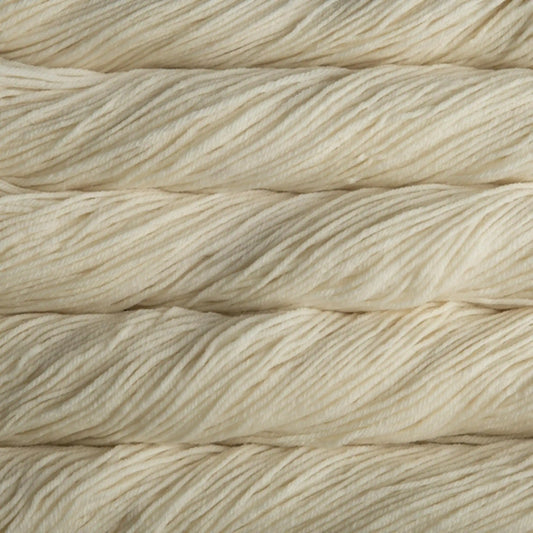
Malabrigo Rios Worsted Yarn
Regular price $17.59 USDRegular price -

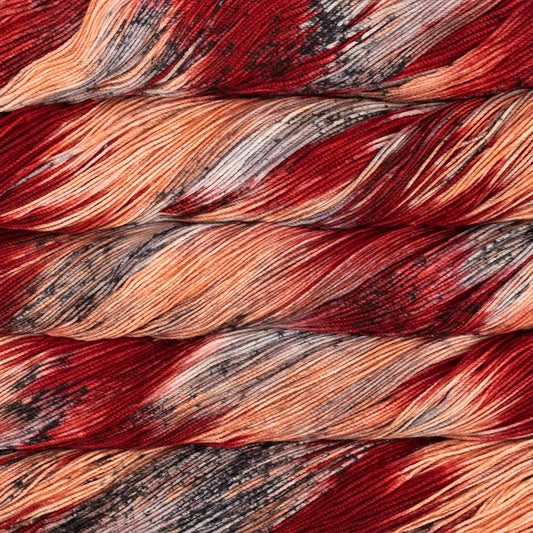
Malabrigo Sock Light Fingering Merino Yarn
Regular price $21.99 USDRegular price -

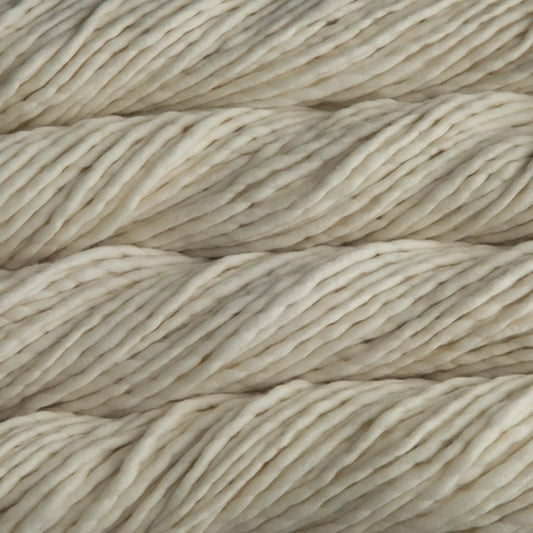
Malabrigo Rasta Super Bulky Yarn
Regular price $24.79 USDRegular price -

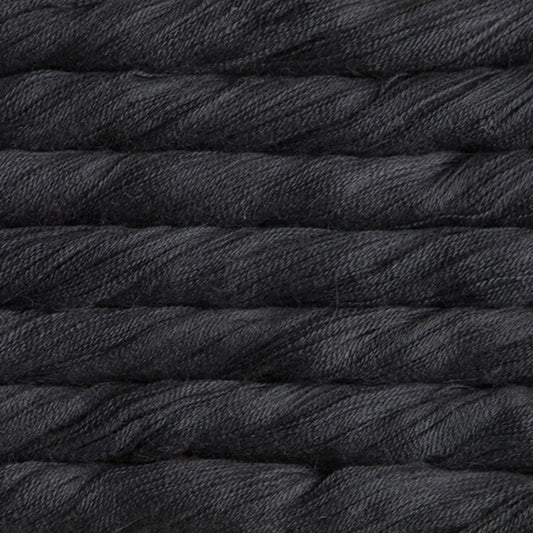
Malabrigo Silkpaca Lace Yarn
Regular price $11.59 USDRegular price -

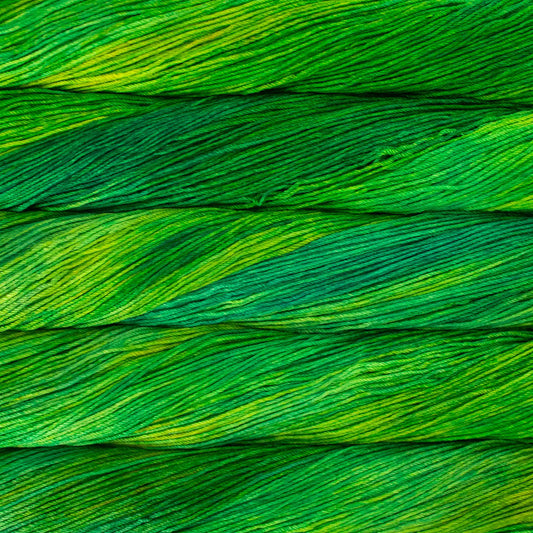
Arroyo Sport Merino Wool Yarn by Malabrigo
Regular price $21.99 USDRegular price -

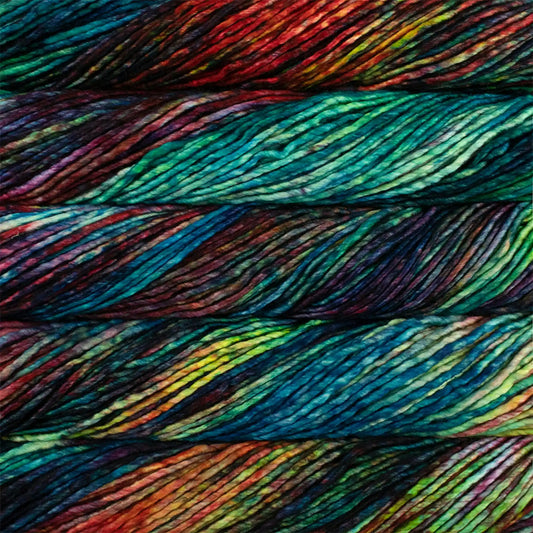
Malabrigo Mecha Bulky Yarn
Regular price $16.59 USDRegular price -

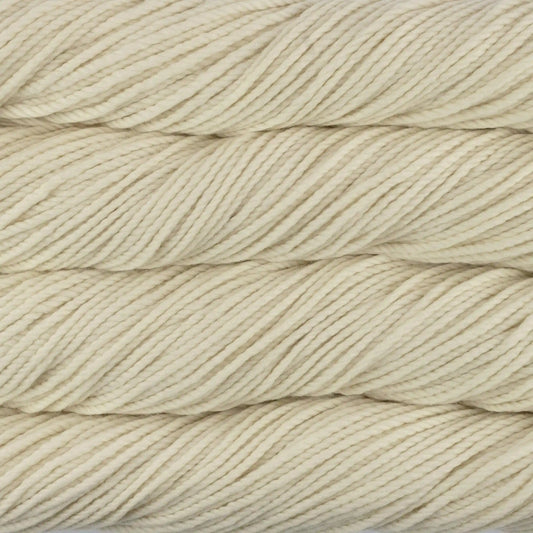
Malabrigo Chunky Bulky Yarn
Regular price $14.79 USDRegular price -

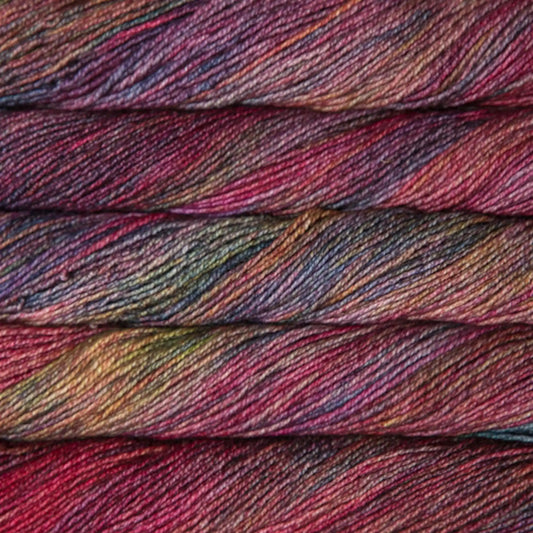
Malabrigo Dos Tierras DK Yarn
Regular price $21.99 USDRegular price -

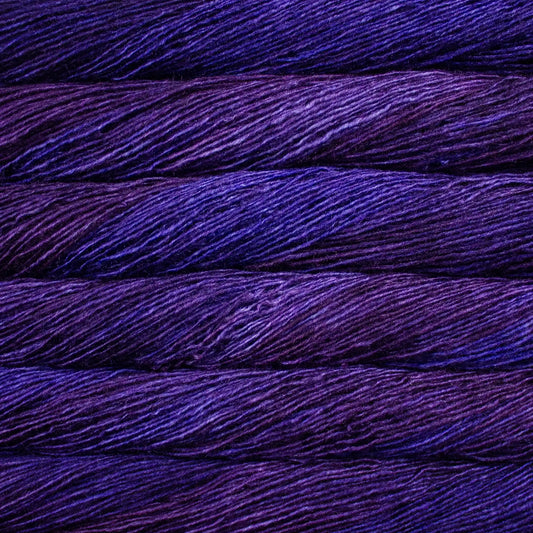
Malabrigo Silky Merino DK Yarn
Regular price $10.99 USDRegular price -

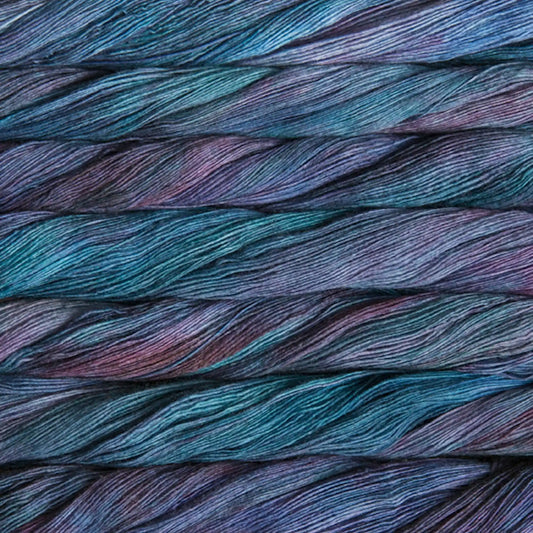
Malabrigo Lace Yarn
Regular price $9.59 USDRegular price -

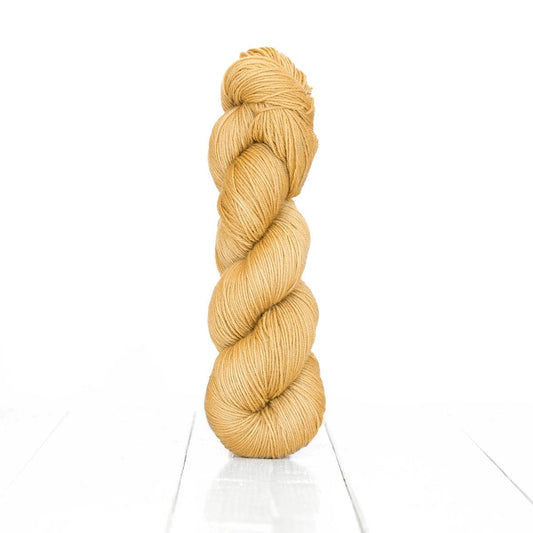
Urth Yarns Harvest Fingering Yarn
Regular price $20.80 USDRegular price$29.00 USDSale price $20.80 USD28% Sale -

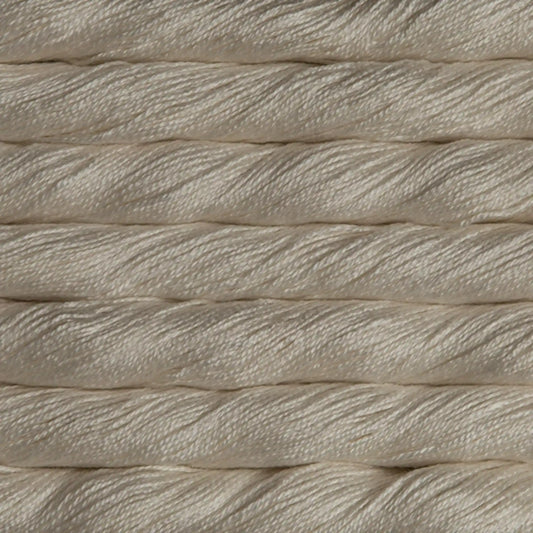
Malabrigo Mora Mulberry Silk Fingering Yarn
Regular price $22.79 USDRegular price -

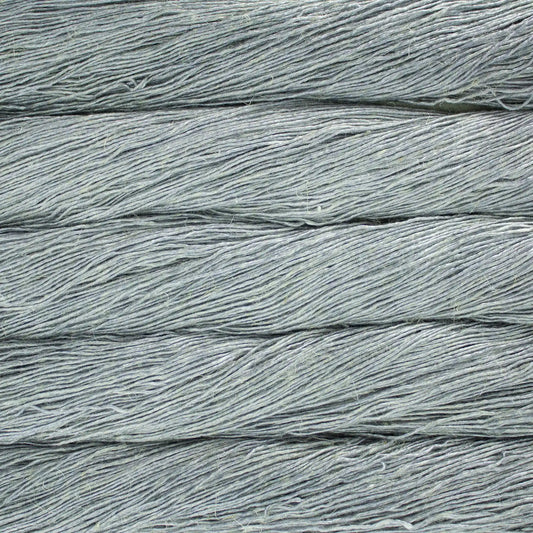
Malabrigo Susurro DK Yarn
Regular price $25.99 USDRegular price -

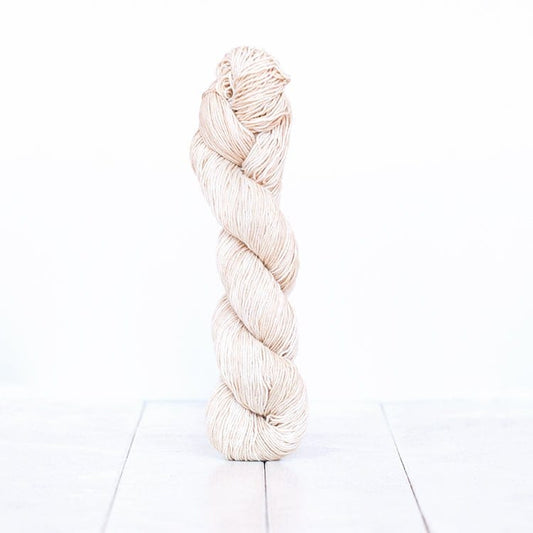
Urth Yarns Monokrom Cotton DK Yarn
Regular price $11.99 USDRegular price$15.00 USDSale price $11.99 USDSold out -

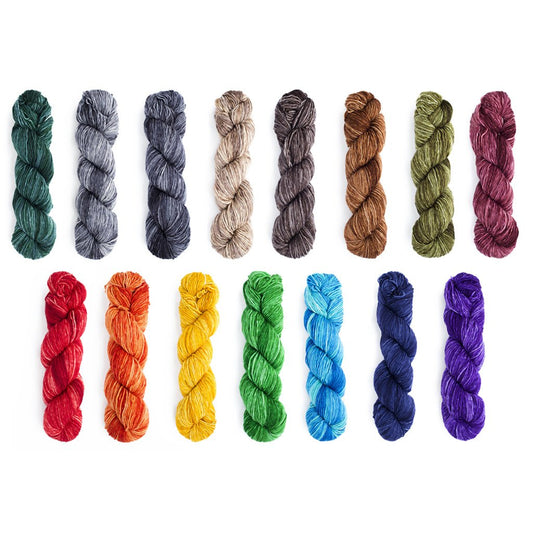
Urth Yarns Monokrom Worsted Yarn
Regular price $21.60 USDRegular price$27.00 USDSale price $21.60 USD20% Sale -

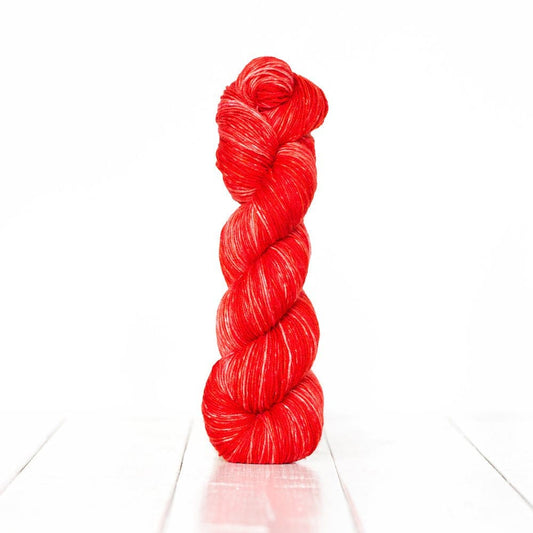
Urth Yarns Monokrom Fingering Yarn
Regular price $21.60 USDRegular price$27.00 USDSale price $21.60 USDSold out -

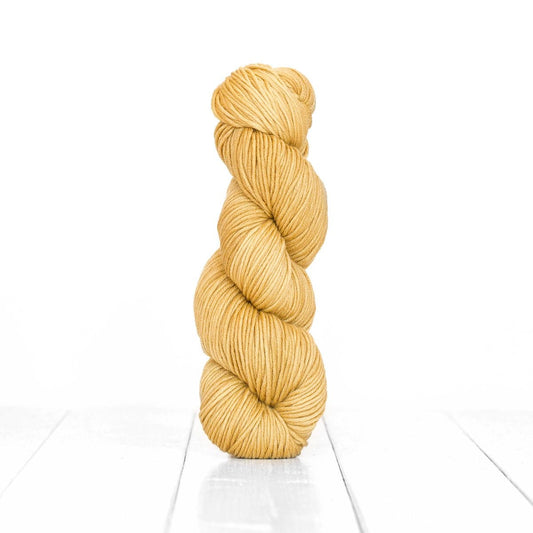
Urth Yarns Harvest Worsted Yarn
Regular price $19.99 USDRegular price$26.00 USDSale price $19.99 USD23% Sale -

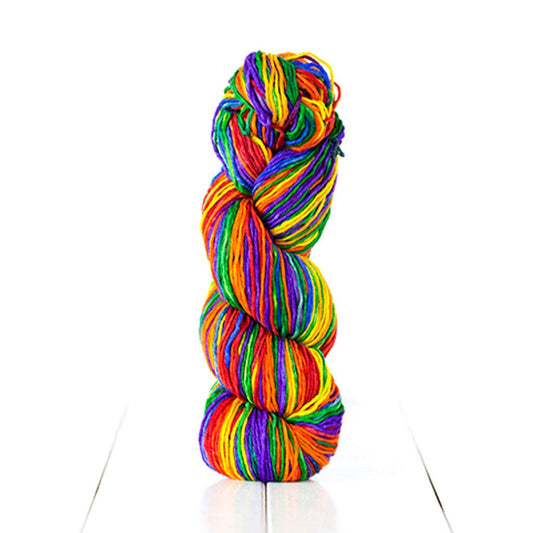
Urth Yarns Uneek DK Yarn
Regular price From $15.99 USDRegular price$19.99 USDSale price From $15.99 USDSold out -

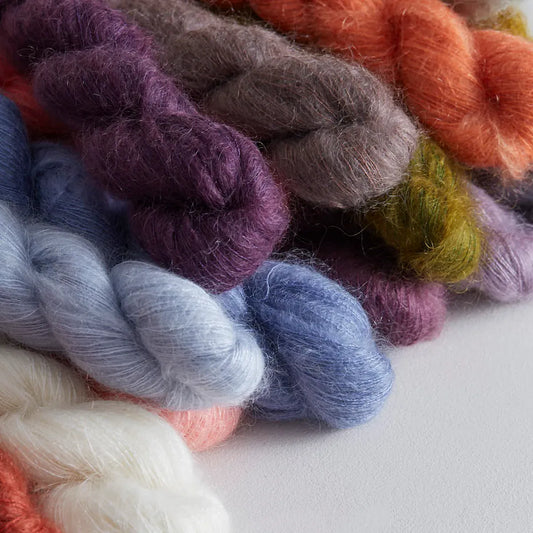
Urth Yarns Bonmoher Lace Yarn
Regular price $22.99 USDRegular price -

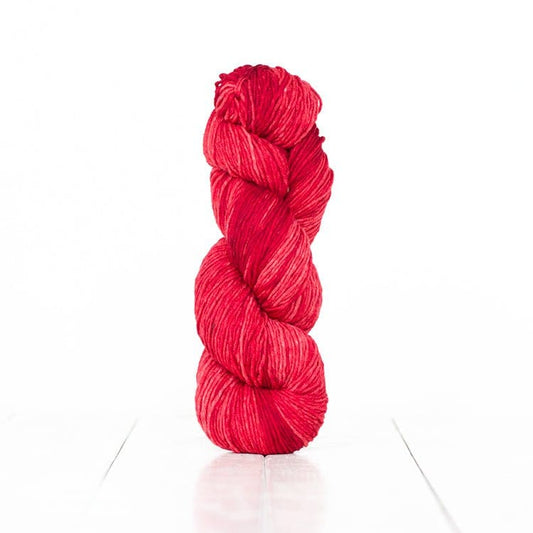
Urth Yarns Monokrom DK Yarn
Regular price $21.40 USDRegular price$27.00 USDSale price $21.40 USDSold out -

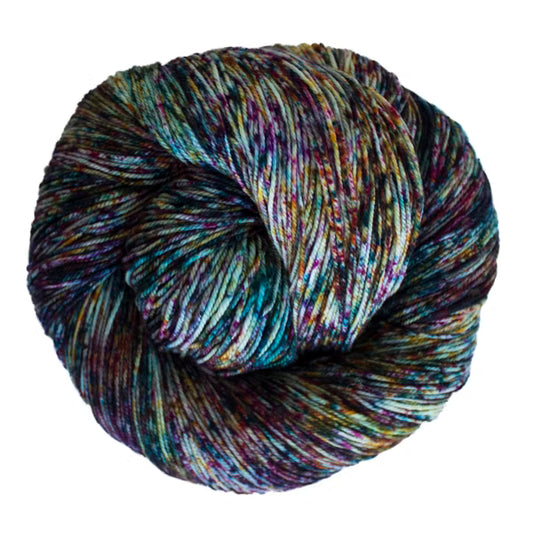
Malabrigo Sock Light Fingering Yarn - Comparsa Set
Regular price $109.99 USDRegular price$117.70 USDSale price $109.99 USDSold out -


Malabrigo Dos Tierras DK Yarn Set - Fall Colors
Regular price $104.45 USDRegular price$109.95 USDSale price $104.45 USDSold out


Frequently Asked Questions
Hand dyed yarn and commercially dyed yarn are fundamentally different in how color is applied. Commercial yarn is dyed in large industrial batches using automated processes designed to achieve a perfectly uniform result across thousands of yards. Hand dyed yarn is colored by an individual artisan dyer, applying dye by hand in small batches - sometimes painting color directly onto the fiber, sometimes immersion dyeing, sometimes using a combination of techniques. The result is color with depth, variation, and complexity that a machine simply cannot replicate. Even a solid-seeming colorway in a hand dyed yarn has subtle tonal variation that gives finished fabric a richness and life that commercially dyed yarn rarely achieves. In the finished project, the difference is visible and it is beautiful.
Color pooling happens when a variegated or semi-solid yarn lands with its color repeats aligning in a way that creates unintended blocks or patterns in the finished fabric. The simplest way to minimize this is to work from two skeins alternated, switching between them every two rows - this distributes any color variation across the full project rather than concentrating it in one area. For larger projects like sweaters or shawls, buying all your skeins from the same dye lot and alternating throughout is standard practice. Working in a pattern stitch rather than plain stockinette can also break up color repeats in a more flattering way. If a colorway is very saturated and high contrast, simple stitch patterns that let the color carry the visual interest tend to work best.
Hand dyed yarn is typically more expensive than commercially dyed yarn of the same base weight and fiber, and the price difference reflects genuine additional labor, smaller production runs, and the skill of the dyer. A hand dyed skein is a small batch artisan product that required someone's time, expertise, and creative vision to produce. Whether it is worth it depends entirely on your project and your priorities. For a simple everyday scarf or a dishcloth, commercially dyed yarn works perfectly well. For a special project - a shawl you plan to wear for years, a sweater for a gift, a piece you want to feel proud of - the depth and uniqueness of hand dyed color adds something that is genuinely hard to put a price on. Most knitters who try hand dyed yarn find it very difficult to go back.
Some hand dyed yarns can bleed a small amount of excess dye in the first wash, particularly with very saturated or dark colorways. This is normal and does not mean the dye job is poor - it is simply residual dye that did not fully bond with the fiber. To protect against bleeding, hand wash new hand dyed items alone in cool water with a small amount of white vinegar or a dedicated wool wash for the first wash or two. Avoid soaking for long periods and do not expose the item to hot water or direct sunlight for extended periods, both of which can accelerate fading. Reputable indie dyers use professional grade dyes that are designed to be colorfast once properly set, and with appropriate care, hand dyed colors hold up beautifully for years.
Choosing a hand dyed colorway online is admittedly harder than seeing it in person, and there are a few approaches that help. First, look at multiple photos of the skein and of finished projects made from that colorway - many indie dyers and yarn shops share project photos that show how the color behaves across different stitch patterns. Second, consider the project you have in mind: high contrast variegated colorways tend to show up best in simple stitches like stockinette and garter, while semi-solid and tonal colorways work in almost any stitch pattern without competing with texture. Third, trust the fiber base - a colorway on a merino silk base will look richer and more luminous than the same dye on a coarser base. When in doubt, reach out to us and we will help you choose.
The fiber base matters more than the dye process for sensitive skin. A hand dyed superwash merino or baby alpaca is no more irritating to sensitive skin than a commercially dyed version of the same fiber - the softness or coarseness of the fiber is what the skin responds to, not the dyeing method. If you are making something for a baby or for someone with known skin sensitivity, prioritize a fine, soft fiber base and make sure the yarn is superwash treated if machine washability is needed. Some dyers offer naturally dyed yarn for those who prefer to avoid synthetic dyes entirely. If chemical sensitivity is a specific concern, look for dyers who disclose their dye types and avoid acid dyes in favor of natural or low-impact alternatives.