
Knitting Yarn
-

Apricot Parrot Tulip - Merino/Nylon Alder Fingering Yarn - Round Mountain Fibers
Regular price $33.99 USDRegular price -

Freckled Hawkfish - Merino/Nylon Alder Fingering Yarn - Round Mountain Fibers
Regular price $33.99 USDRegular price -

Snow Leopard - Merino/Nylon Alder Fingering Yarn - Round Mountain Fibers
Regular price $33.99 USDRegular price -

Blue Rock Lizard - Merino/Nylon Alder Fingering Yarn - Round Mountain Fibers
Regular price $33.99 USDRegular price -

Deer Mouse - Merino/Nylon Alder Fingering Yarn - Round Mountain Fibers
Regular price $33.99 USDRegular price -

Crabshell On The Beach - Superwash Merino Spruce Fingering Yarn
Regular price $31.99 USDRegular price -

Jewel Weed - Superwash Merino Spruce Fingering Yarn
Regular price $31.99 USDRegular price -

Green Banded Urania Moth - Superwash Merino Spruce Fingering Yarn
Regular price $31.99 USDRegular price -

Uranocircite - Superwash Merino Spruce Fingering Yarn
Regular price $31.99 USDRegular price -

Costa's Hummingbird - Superwash Merino Spruce Fingering Yarn
Regular price $31.99 USDRegular price -

Tamarack Larch - Merino/Nylon Alder Fingering Yarn - Round Mountain Fibers
Regular price $33.99 USDRegular price -

Earth Lichen Pink - Semisolid Spruce Fingering Yarn
Regular price $31.99 USDRegular price -

Anthaxia Orange - Semisolid Spruce Fingering Yarn
Regular price $31.99 USDRegular price -

Cherry Bark - Semisolid Spruce Fingering Yarn
Regular price $31.99 USDRegular price -

Cactus Pink - Semisolid Spruce Fingering Yarn
Regular price $31.99 USDRegular price -

Cicada Green - Semisolid Spruce Fingering Yarn
Regular price $31.99 USDRegular price -

Morel Brown - Semisolid Spruce Fingering Yarn
Regular price $31.99 USDRegular price -
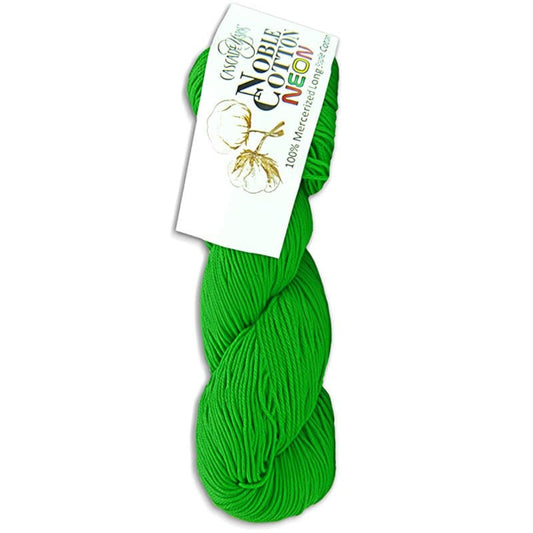
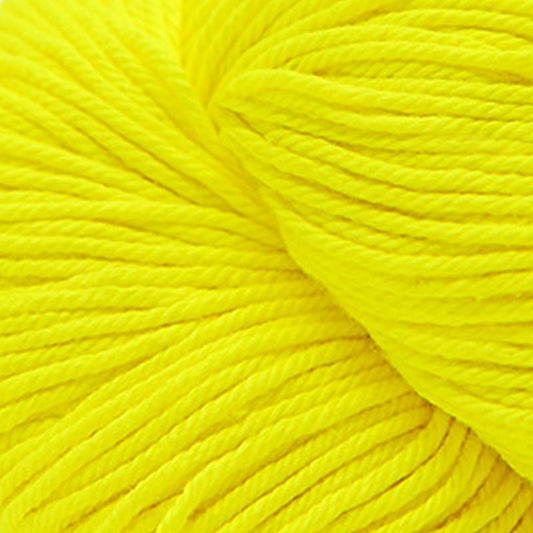
Cascade Noble Cotton Neon Yarn Light DK Yarn
Regular price $11.49 USDRegular price$11.49 USDSale price $11.49 USD


Frequently Asked Questions
Start by looking at your pattern if you have one - most patterns specify a recommended yarn weight, fiber content, and gauge, which narrows things down significantly. If you are designing your own project, think about what the finished item needs to do. Is it a warm winter sweater? Look for wool or wool blend yarns with good elasticity and warmth. A summer top? Cotton or linen. A baby blanket that needs to be washed constantly? Superwash merino or cotton. Once you know your fiber and weight, the rest comes down to color, feel in your hands, and budget. Our team loves helping people make this decision - use the chat feature anytime.
Worsted weight is almost universally recommended as the best starting weight for new knitters. The stitches are large enough to see clearly on the needle, which makes it easier to count stitches, identify mistakes, and understand the structure of your knitting. Projects like dishcloths, scarves, and hats in worsted weight also come together quickly, which keeps motivation high when you are still building the muscle memory for consistent tension. A smooth, medium toned worsted weight yarn is ideal for beginners - avoid very dark colors (hard to see your stitches), very fuzzy yarns (hard to frog mistakes), or very splitty constructions until you are more confident.
The most reliable way is to follow the yardage specified in your pattern - pattern designers calculate yarn requirements carefully and that number is your best guide. If you are designing your own project, you can calculate based on gauge and surface area, or use an online knitting yardage calculator. As a general reference: a pair of adult socks in fingering weight needs about 400 yards, an adult hat in worsted needs about 150 to 200 yards, a simple adult sweater in worsted needs 900 to 1,500 yards, and a throw blanket in chunky can need 1,000 to 2,500 yards. Always buy from the same dye lot and get a little extra - matching a dye lot after the fact is often impossible.
Single ply yarn is made from one strand of fiber twisted on itself, while plied yarn twists two or more strands together. For knitting, plied yarns tend to be more durable, resist abrasion and pilling better, and produce cleaner stitch definition - the twist of the yarn rounds out each stitch neatly. Single ply yarns are often softer and lighter with a more rustic, halo-like quality, but they can be more prone to pilling and splitting on the needle. For socks, items with a lot of stitch pattern detail, or anything that will see heavy wear, a tightly plied yarn is usually the better choice. For cozy shawls and relaxed garments where drape and softness are the priority, singles can be beautiful.
Knitting yarn and crochet yarn are essentially the same thing - yarn is yarn, and the vast majority of it works for both crafts. The main difference is in how each craft interacts with the yarn's construction. Crochet tends to be harder on yarn than knitting because the hook engages more aggressively with the fiber, so very loosely spun or fragile singles can split or fray more easily when crocheted. A smooth, tightly plied yarn performs consistently well for both knitting and crochet. Fuzzy or hairy yarns like mohair blends can be harder to frog (undo) in crochet because the fibers catch on each other, which is worth knowing if you are a crocheter who likes to make adjustments.
Hand knitted items made from wool, alpaca, or other natural fibers generally benefit most from hand washing in cool water with a gentle wool specific wash like Eucalan or Soak. Avoid agitation, which causes felting in non-superwash wools. Gently press out excess water - never wring - roll in a clean towel, and lay flat to dry in the item's original shape. Do not hang wet knits as the weight of the water stretches them permanently. Store wool items folded rather than hanging to prevent stretch, and use cedar or lavender to deter moths. Superwash treated wools can go in a machine on a gentle cold cycle and are much more forgiving to launder.