
Macrame Yarn
Cotton, jute & cord macrame yarn for plant hangers, wall art & projects. Shop yarn for macrame in natural fibers.
-
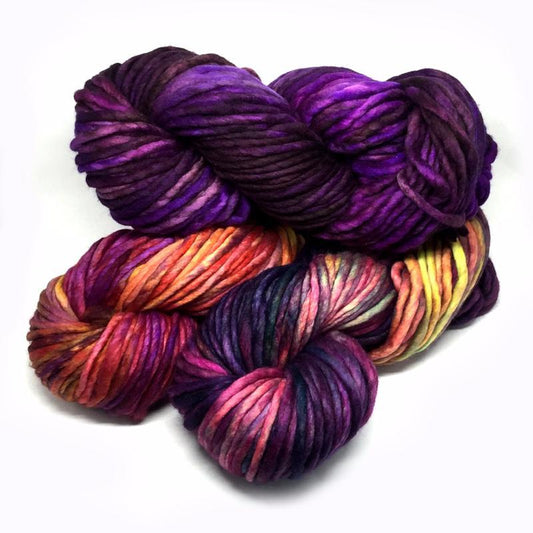
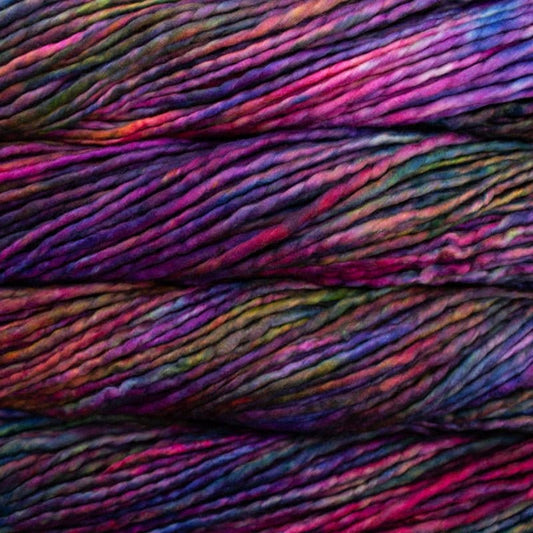
Malabrigo Rasta Super Bulky Yarn
Regular price $24.79 USDRegular price -

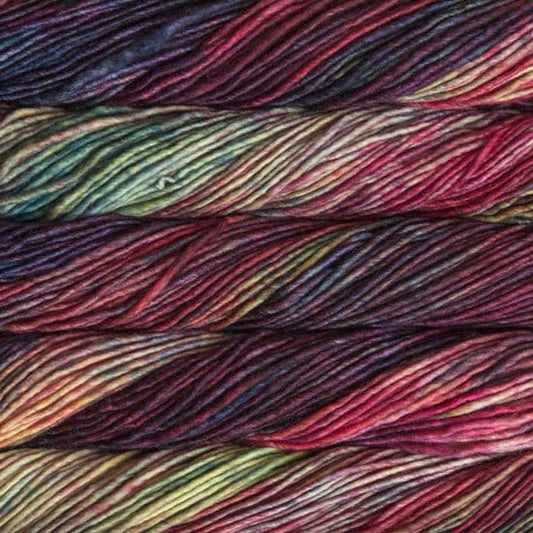
Malabrigo Mecha Bulky Yarn
Regular price $16.59 USDRegular price -
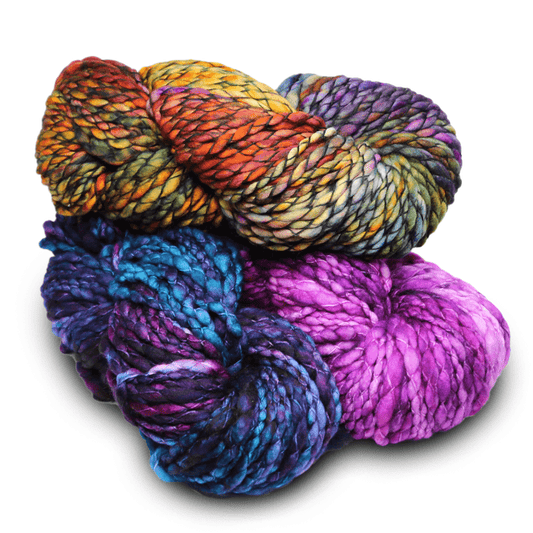

Malabrigo Caracol Super Bulky Yarn
Regular price $25.59 USDRegular price -

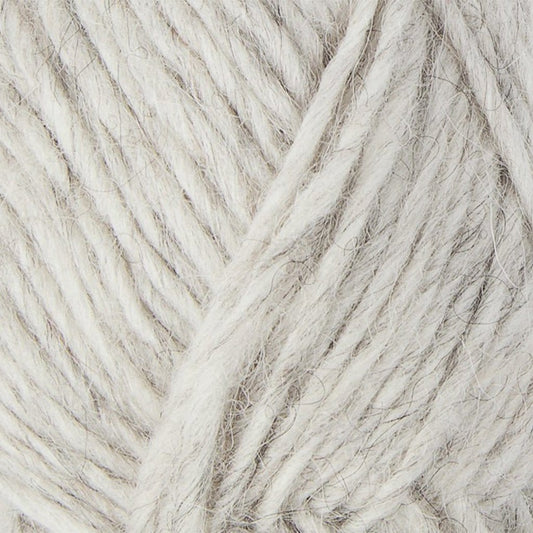
Lopi Álafosslopi Bulky Yarn
Regular price $13.49 USDRegular price -
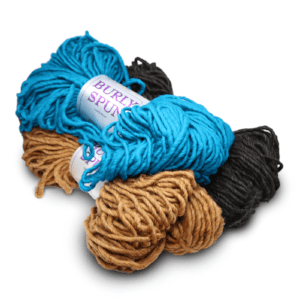

Brown Sheep Burly Spun Super Bulky Yarn - Solid Colors
Regular price $30.20 USDRegular price -

Bockens Cotton Seine Twine Rug Warp - Unbleached - 12/9
Regular price $30.29 USDRegular price -


Bockens Cotton Warp Seine Twine - 12/6
Regular price From $38.00 USDRegular price -


Bockens Linen/Flax Rug Warp - 8/4
Regular price From $53.99 USDRegular price -
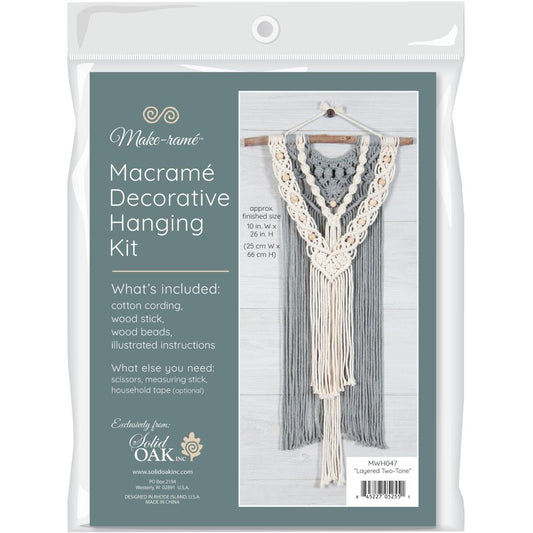
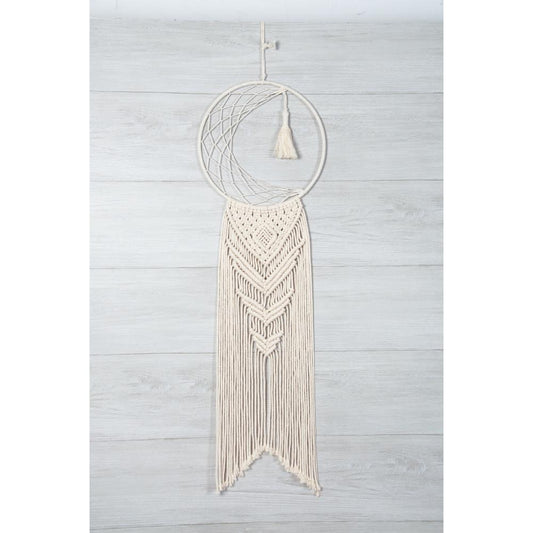
Solid Oak Macramé Hanging Kits
Regular price From $18.08 USDRegular price -

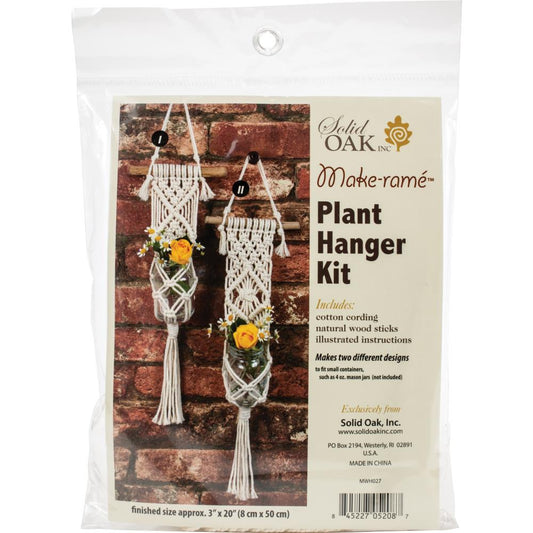
Solid Oak Macramé Plant Hanger Kits
Regular price $14.00 USDRegular price -

Bockens Linen/Flax Rug Warp - 8/3
Regular price $54.00 USDRegular price -
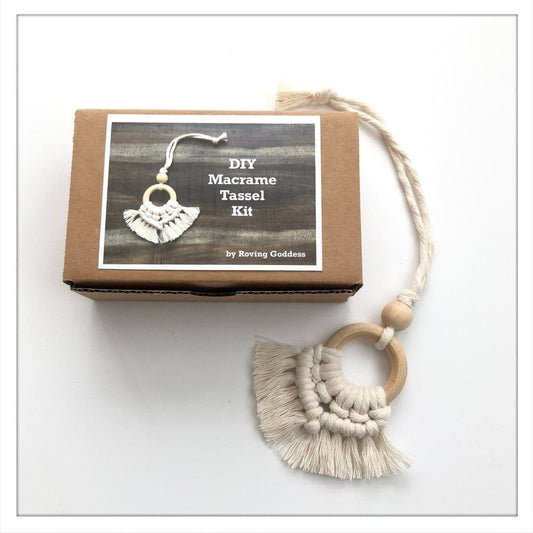
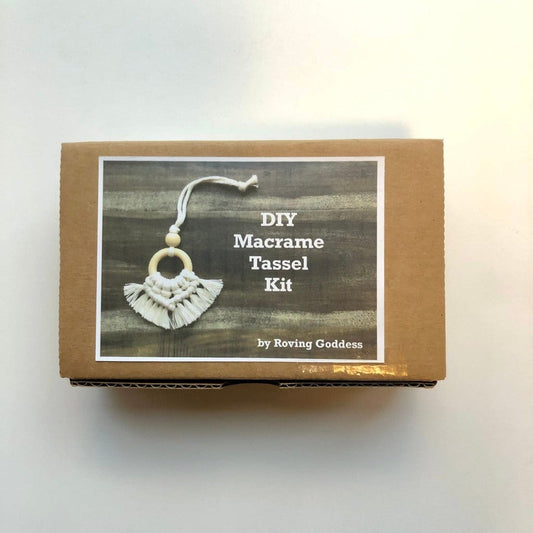
Roving Goddess DIY Macramé Tassel Kit
Regular price $4.99 USDRegular price$15.00 USDSale price $4.99 USDSold out -

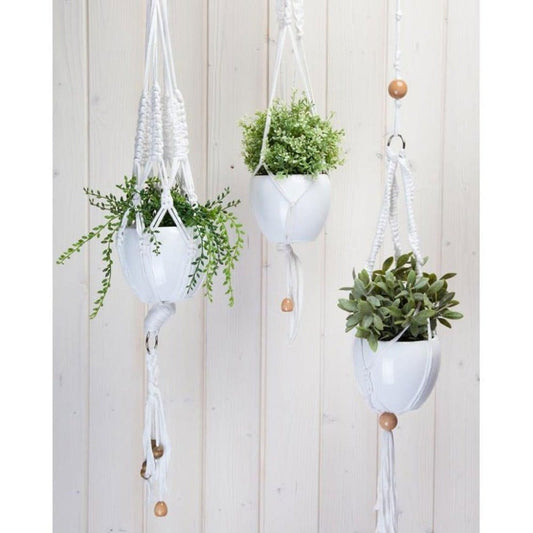
Hoooked Macramé Hanging Basket Kits
Regular price $11.50 USDRegular price -
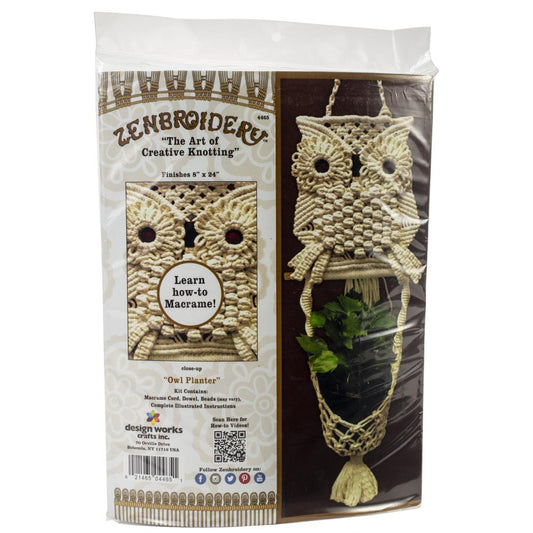
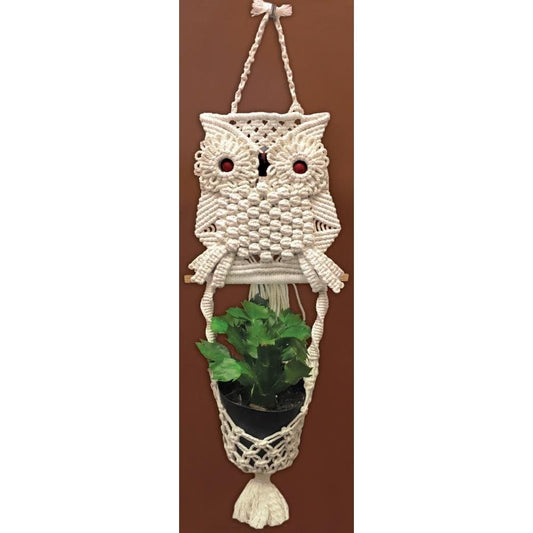
Design Works Zenbroidery Macramé Wall Hanging Owl Kit
Regular price $14.99 USDRegular price -

Bockens Linen/Flax Rug Warp - 8/5
Regular price $55.00 USDRegular price -
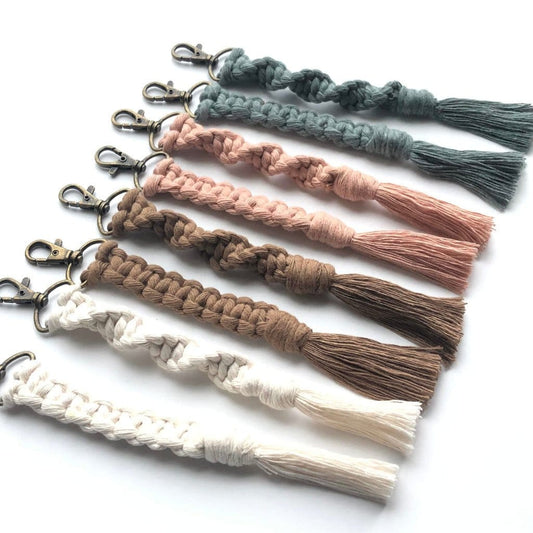
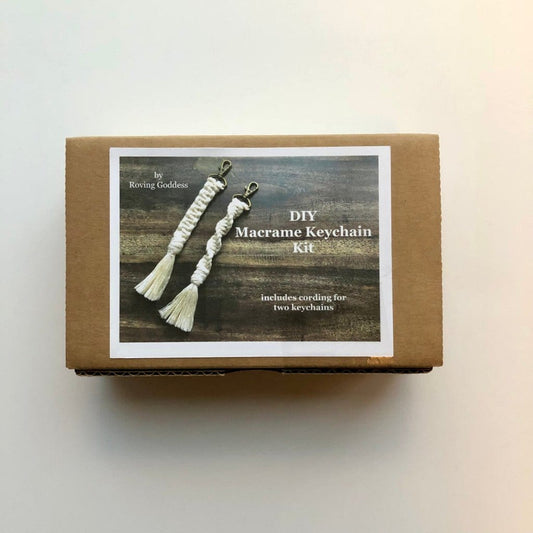
Roving Goddess DIY Macramé Keychain Kit
Regular price $25.00 USDRegular price$32.00 USDSale price $25.00 USDSold out -
Bockens Cotton Warp Seine Twine - 20/6
Regular price $27.99 USDRegular price -
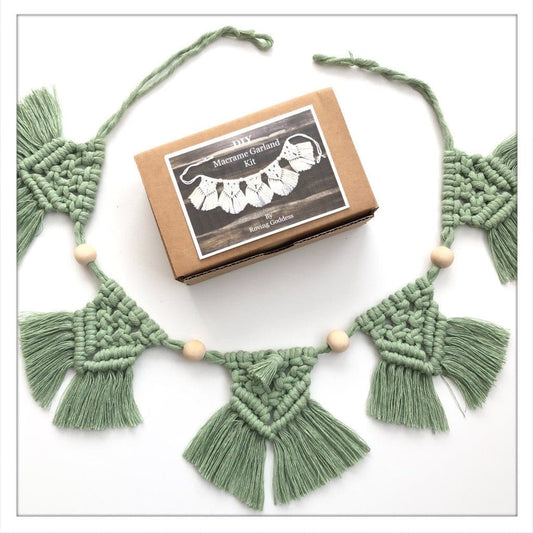
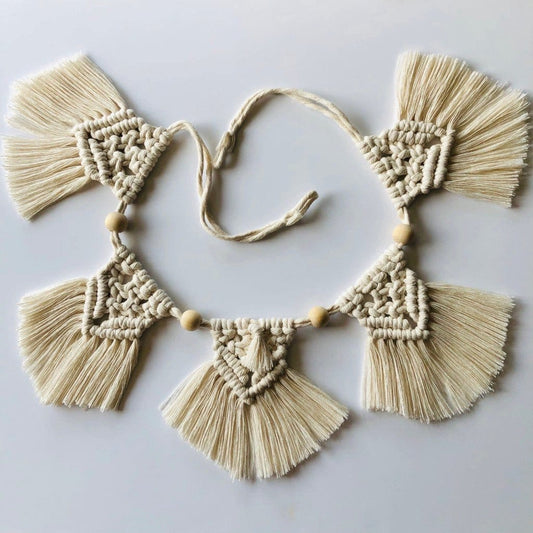
Roving Goddess DIY Macramé Garland Kit
Regular price $23.99 USDRegular price$30.00 USDSale price $23.99 USD20% Sale -

-

Zenbroidery 34 Ply Macrame Cord
Regular price $4.99 USDRegular price


Frequently Asked Questions
Macrame yarn is any thick, strong yarn or cord used for knotting decorative pieces like plant hangers, wall hangings, and jewelry. It's usually made of cotton, jute, hemp, or linen and comes in single-twist, braided, or 3-ply construction. Unlike knitting yarn, macrame yarn is chosen for how well it shows knots and holds tension.
Cord is twisted and tightly compressed (3-strand or twisted single), rope is thicker braided construction, and string is finer single-twist cotton. Cord is the most popular for general macrame projects, rope creates dramatic statement pieces, and string suits delicate work like jewelry or small wall art. All three can be considered yarn for macrame depending on project scale.
For plant hangers, look for 3-strand or single-twist cotton macrame yarn in 4mm to 6mm thickness — strong enough to hold a planter, with the right drape for knotting. Natural undyed cotton is the classic choice, but dyed options work just as well. Many crafters also use bulky knitting yarn for softer, more textural plant hangers.
Macrame yarn thickness is measured in millimeters. 1 to 3mm works for jewelry, coasters, and miniatures; 4 to 6mm is the most versatile (plant hangers, small to medium wall art); 8mm and up is for large statement wall hangings and room dividers. Most beginners start with 4 to 5mm — easy to work, looks great in most projects.
Yes — chunky single-ply knitting yarn works beautifully for macrame, especially for soft wall hangings, garlands, and decorative pieces that don't need to hold weight. Cotton-based knitting yarns are particularly versatile. For projects that need to support real load (like plant hangers with heavy planters), stick to true macrame cord or rope.
Cotton is the most popular fiber for macrame because it's strong, soft on hands, holds knots tightly, and frays into beautiful fringe. Jute and hemp offer a more rustic look with rougher texture. Linen falls in between — smooth and crisp. Most beginner tutorials and pattern designers use cotton macrame yarn as the default.
For a standard plant hanger (24 to 32 inches long), plan on roughly 50 to 100 feet of 4 to 5mm cotton macrame yarn. Longer or more elaborate designs may need 150+ feet. Always buy extra — running short mid-project is harder to fix than having leftover cord for future projects. Each product page lists total length per bundle.
Yes, and that's often the point. Most cotton and natural fiber macrame yarn is designed to fray when brushed out, creating soft, decorative fringe ends. Single-twist cotton frays into a fluffy texture; 3-strand frays into wavy strands. If you want crisp, non-fraying ends, look for braided macrame cord or rope construction instead.
The terms are often used interchangeably in the crafting world, and the distinction is mostly one of construction rather than material. Macrame cord typically refers to cotton twisted or braided into a ropelike structure specifically designed for knotting. Macrame yarn can refer to the same thing or to softer, more yarn-like options that bring a slightly different texture and drape to finished pieces. Both work beautifully for macrame projects, and the right choice depends on the look and structure you're going for.