
Amigurumi Yarn
Amigurumi is the Japanese art of crocheting or knitting small, stuffed creatures such as animals, dolls, and toys. The best amigurumi yarn is smooth, tightly plied, and low-fuzz so your single crochet stitches stay crisp and the stuffing never peeks through. This collection gathers our favorite cotton, cotton-blend, and easy-care acrylic yarns chosen specifically for plushie makers.
What is the best yarn for amigurumi?
For most projects, choose a smooth, matte cotton or cotton-blend yarn in a DK or worsted weight. Cotton gives sharp stitch definition and holds its shape, while a tight ply keeps stitches from splitting. Look for:
- Cotton and cotton blends: crisp stitches with no halo. Browse all cotton yarn.
- Easy-care acrylic: budget-friendly, washable, and great for kids' toys. See our acrylic yarn.
- Tightly plied, matte finish: avoid fuzzy or loosely spun yarns that hide stitch detail.
Related collections: Cotton Yarn · Baby Yarn · Acrylic Yarn · Crochet Hooks · DK Weight Yarn
-

Cascade Ultra Pima DK Yarn
Regular price From $13.50 USDRegular price -
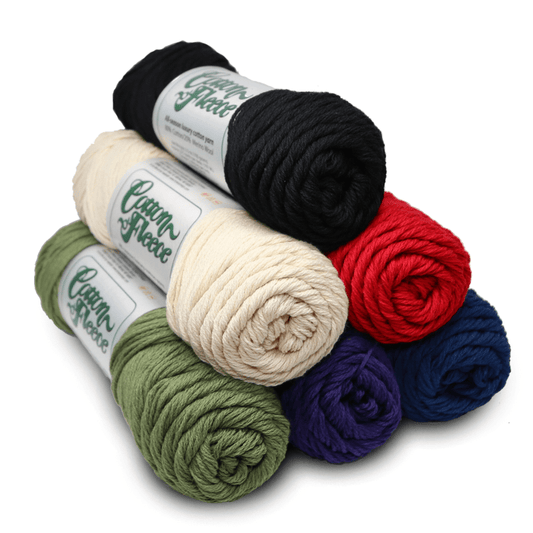
Brown Sheep Cotton Fleece DK Yarn
Regular price From $16.70 USDRegular price -

Cascade Nifty Cotton Worsted Yarn
Regular price $7.99 USDRegular price -

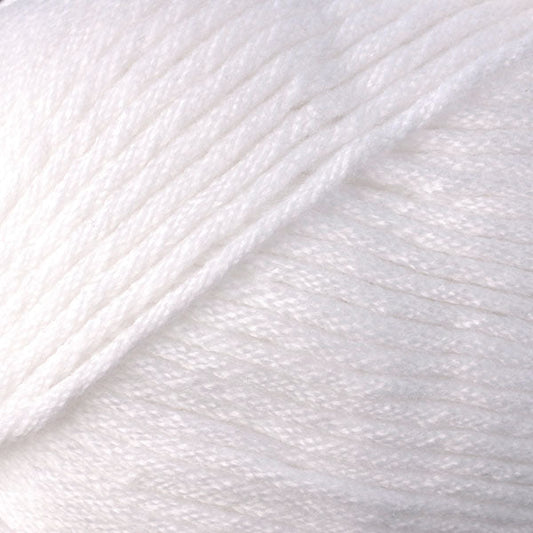
Berroco Comfort Worsted Yarn
Regular price $6.40 USDRegular price$7.99 USDSale price $6.40 USDSold out -
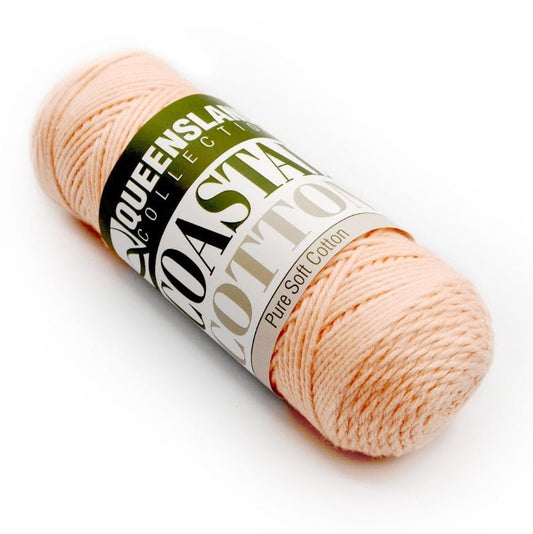
Queensland Coastal Cotton Worsted/Light Aran Yarn
Regular price $7.99 USDRegular price -

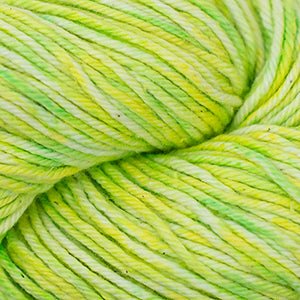
Cascade Nifty Cotton Splash Worsted Yarn
Regular price From $8.49 USDRegular price -

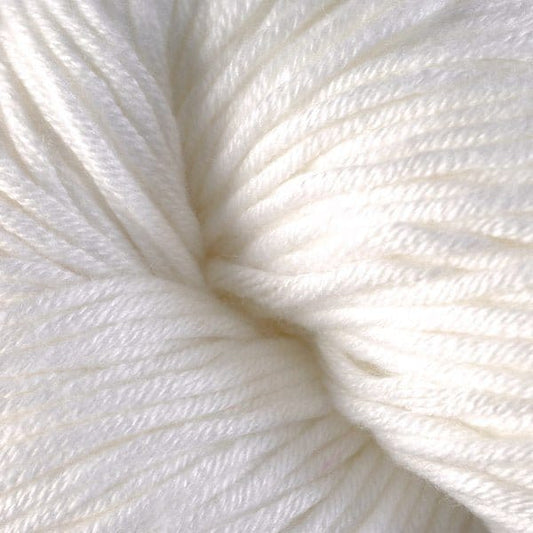
Berroco Modern Cotton Worsted Yarn
Regular price From $9.60 USDRegular price$0.00 USDSale price From $9.60 USD -


-

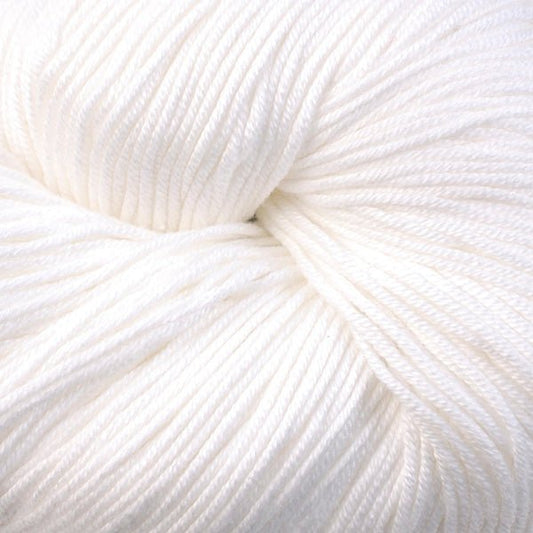
Berroco Modern Cotton DK Yarn
Regular price From $9.60 USDRegular price$0.00 USDSale price From $9.60 USD -

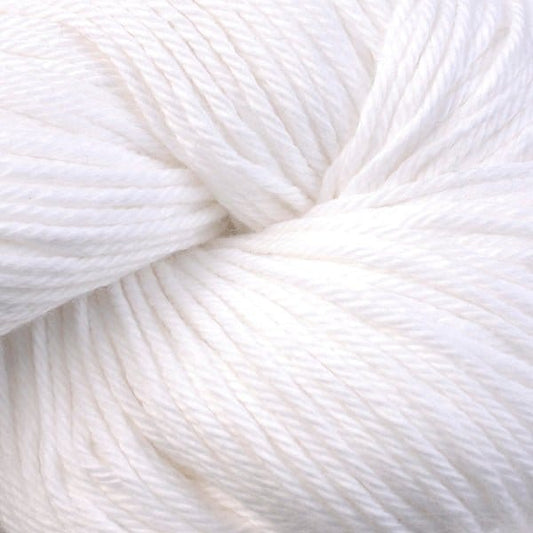
Berroco Pima 100 Worsted Yarn
Regular price From $11.60 USDRegular price$0.00 USDSale price From $11.60 USD -

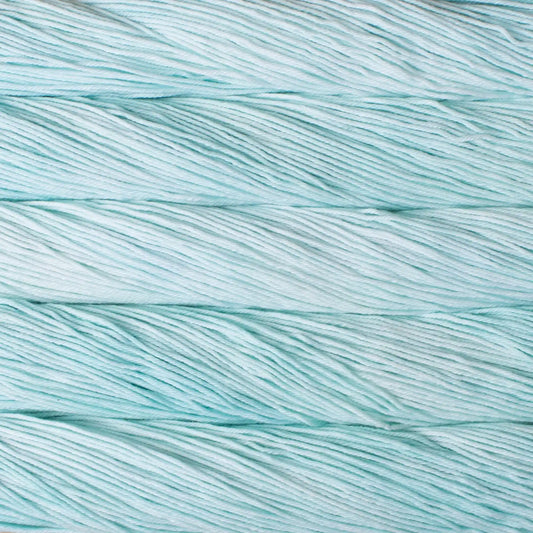
Malabrigo Verano DK Yarn
Regular price $16.39 USDRegular price -

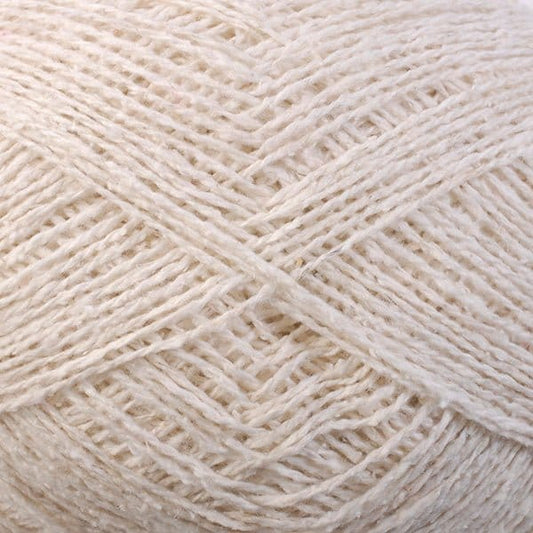
Berroco Remix Light DK Yarn
Regular price From $11.20 USDRegular price$0.00 USDSale price From $11.20 USDSold out -
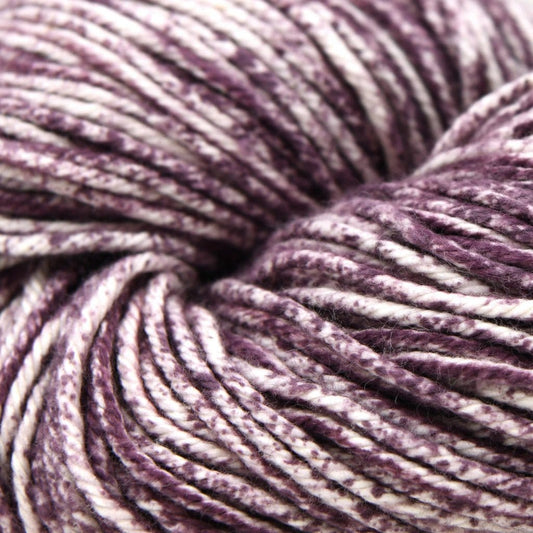
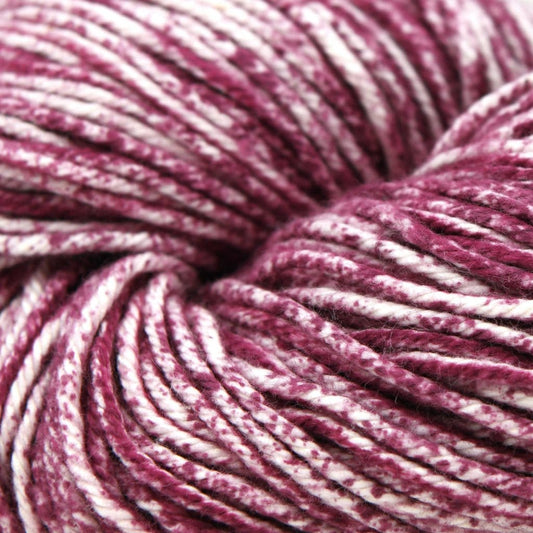
Cascade Nifty Cotton Effects Worsted Yarn
Regular price From $8.49 USDRegular price -

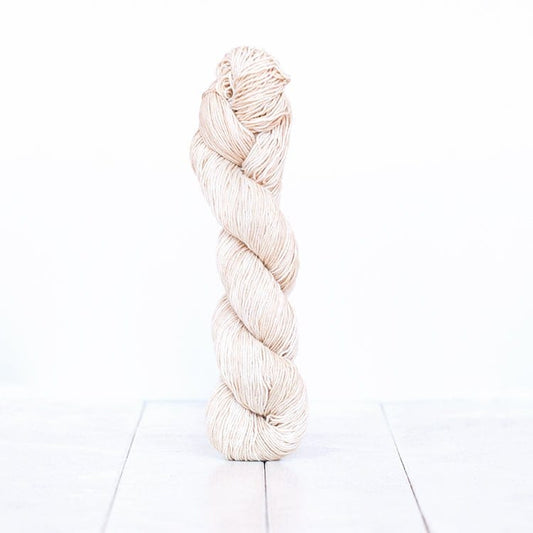
Urth Yarns Monokrom Cotton DK Yarn
Regular price $11.99 USDRegular price$15.00 USDSale price $11.99 USDSold out -

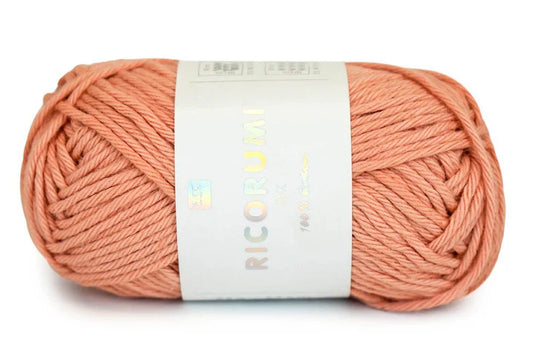
Rico Ricorumi DK Yarn
Regular price $3.25 USDRegular price -
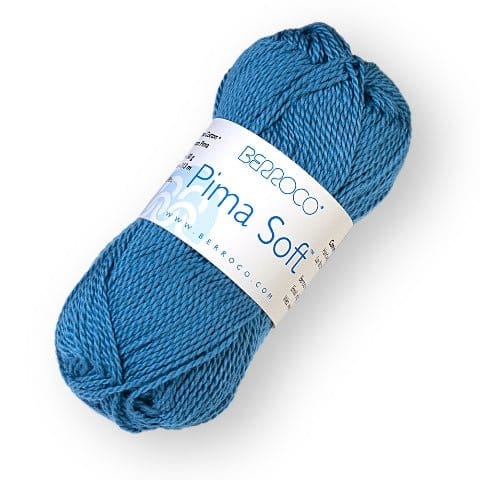
Berroco Pima Soft DK Yarn
Regular price From $6.00 USDRegular price$7.49 USDSale price From $6.00 USD19% Sale -
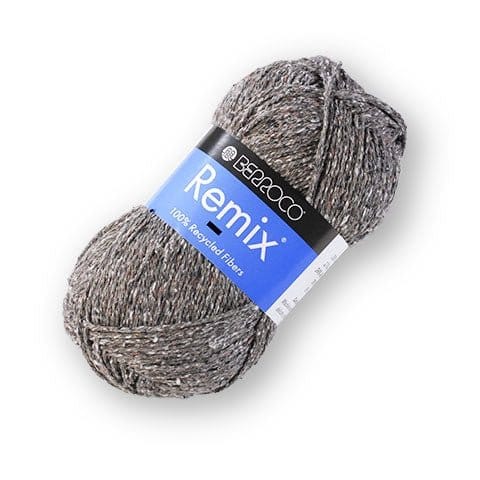
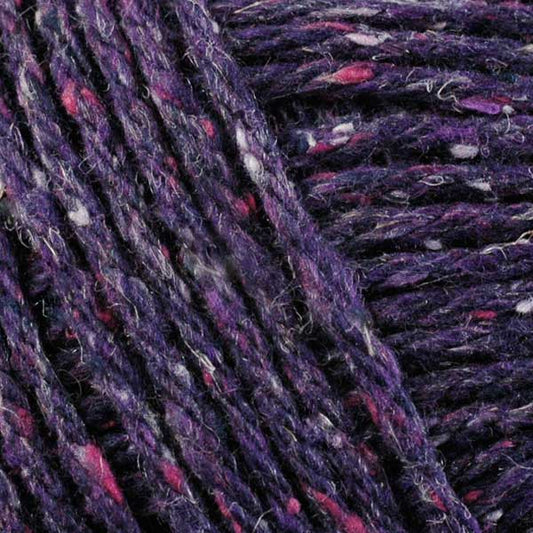
Berroco Remix Worsted Yarn
Regular price From $11.20 USDRegular price$0.00 USDSale price From $11.20 USD -

Jody Long Snugaboo Yarn
Regular price $7.99 USDRegular price -

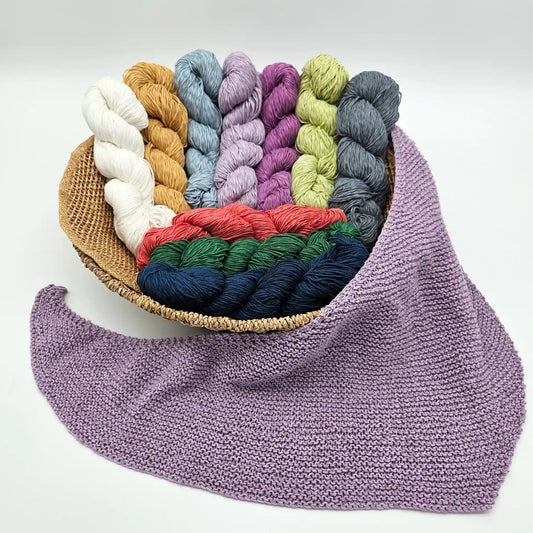
Urth Yarns Etesia Hand-Dyed Cotton Linen DK Yarn
Regular price $18.99 USDRegular price -

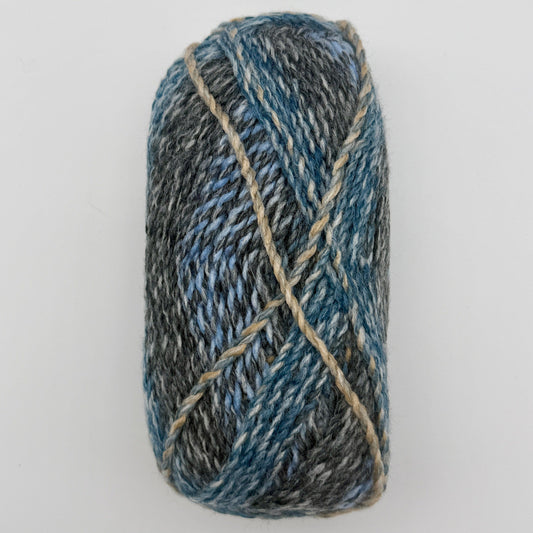
Nako Hercai Chunky Yarn
Regular price $7.99 USDRegular price -

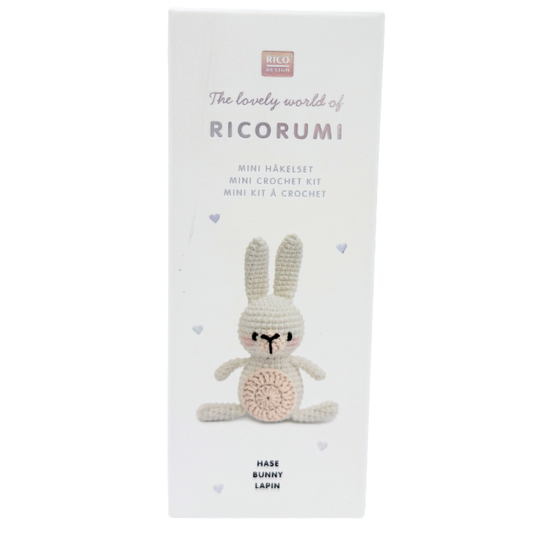
Ricorumi Amigurumi Mini Crochet Kits
Regular price $16.50 USDRegular price -

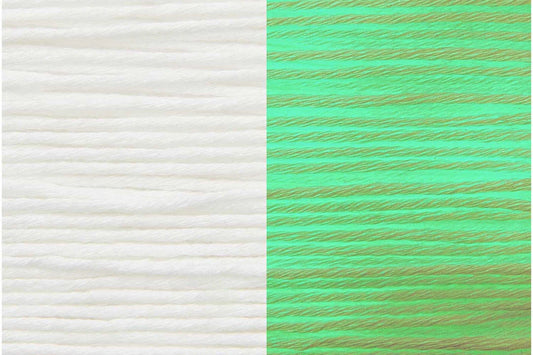
Rico Ricorumi Glow in the Dark Yarn
Regular price $3.60 USDRegular price -

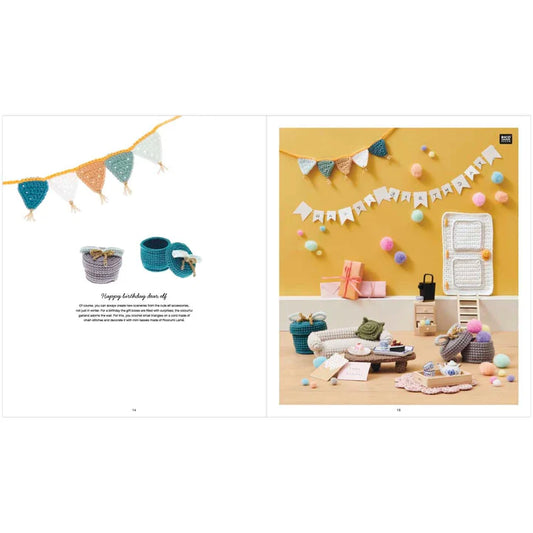
Rico Ricorumi Elf World Crochet Booklet
Regular price $13.90 USDRegular price -

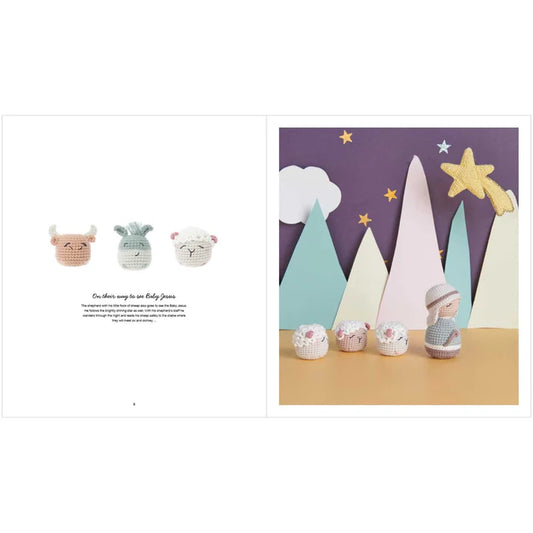
Rico Ricorumi Christmas Crib Crochet Booklet
Regular price $14.00 USDRegular price -

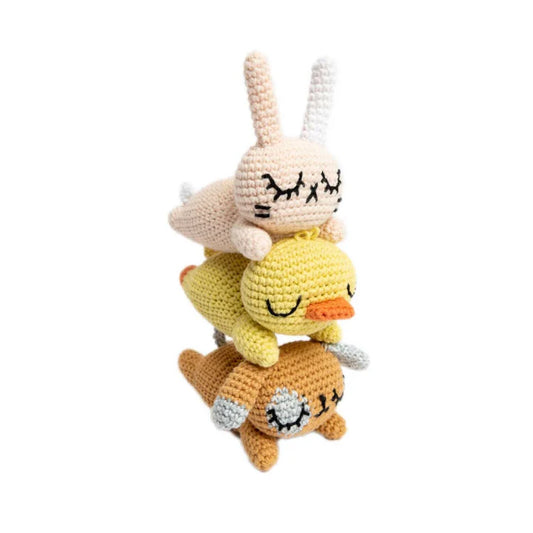
Rico Ricorumi Pocket Pals Crochet Booklet
Regular price $13.90 USDRegular price -

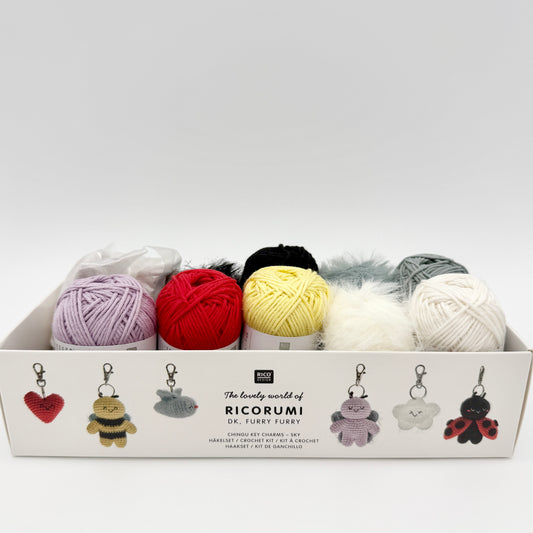
Ricorumi Chingu Amigurumi Keychain Kit
Regular price $51.50 USDRegular price -

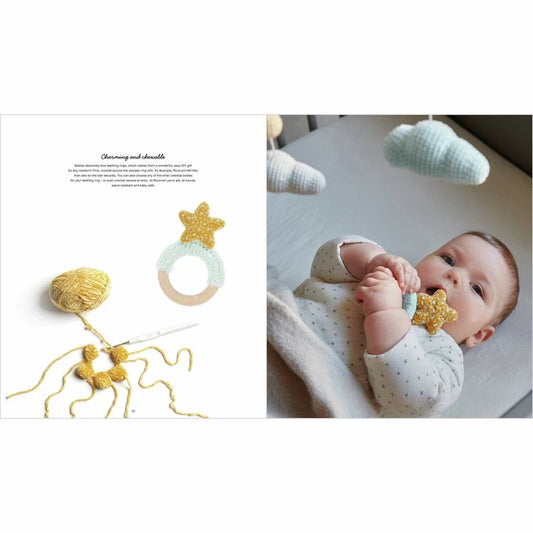
Rico Ricorumi Glow in the Dark Crochet Booklet
Regular price $13.90 USDRegular price -

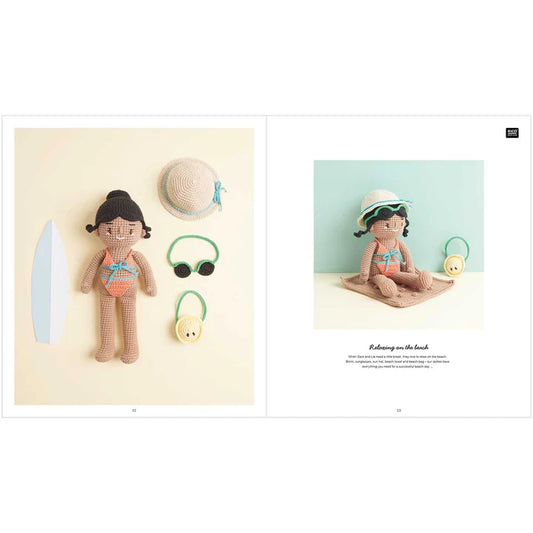
Rico Ricorumi Dollies Crochet Booklet
Regular price $12.50 USDRegular price -

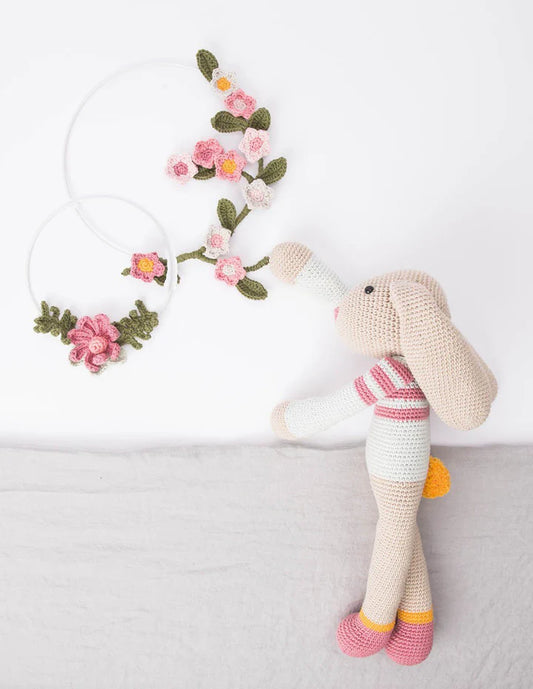
Rico Ricorumi Heartbreakers Crochet Booklet
Regular price $13.90 USDRegular price -

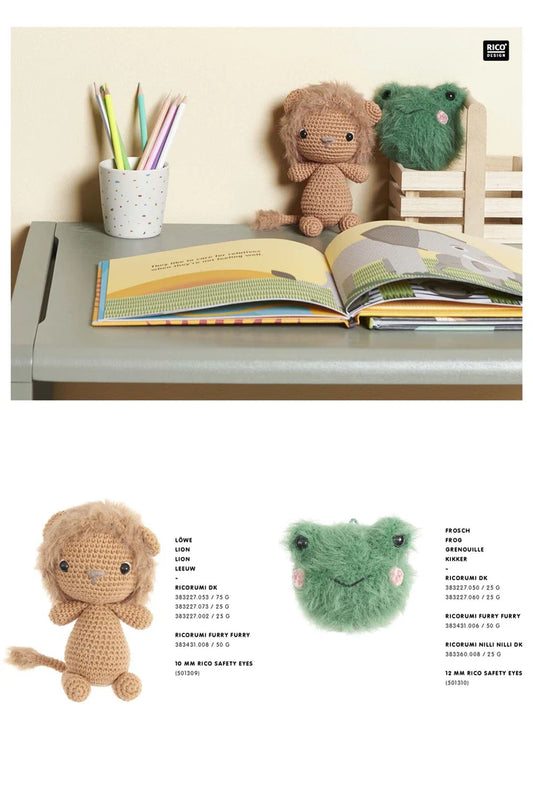
Rico Ricorumi Furry Animals Crochet Booklet
Regular price $13.90 USDRegular price -

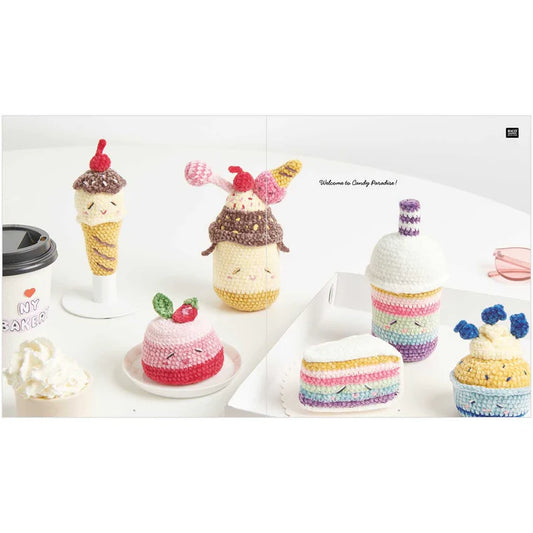
Rico Ricorumi New York Bakery Crochet Booklet
Regular price $13.90 USDRegular price


Frequently Asked Questions
Amigurumi is the Japanese art of crocheting (or knitting) small, stuffed figures, typically cute animals, dolls, food, or characters. The word combines 'ami' (crocheted or knitted) and 'nuigurumi' (stuffed doll). Modern amigurumi has grown into a global craft, with patterns ranging from tiny keychains to large display pieces.
Cotton is the gold standard for amigurumi yarn, its smooth surface gives crisp stitch definition and the tight twist keeps stuffing hidden. Worsted weight cotton or cotton blends work for most patterns, while mercerized cotton offers extra shine and durability. Soft acrylic and acrylic blends are also popular for huggable plushies and kid-friendly toys.
Most amigurumi patterns call for worsted or DK weight yarn for amigurumi, paired with a hook one or two sizes smaller than the label recommends. This creates the dense, sculpted fabric amigurumi needs. Sport or fingering weight makes miniatures, and bulky yarn produces oversized plushies, match the weight to your pattern's gauge.
Cotton yarn is preferred for amigurumi because its smooth, non-fuzzy surface shows each stitch clearly, giving figures their characteristic sculpted look. Cotton also holds its shape without stretching or sagging, so amigurumi yarn projects keep their structure even with firm stuffing. The tight twist also prevents stuffing from peeking through finished work.
Absolutely, acrylic yarn is widely used for amigurumi, especially when softness and easy care matter most. It's the go-to for plushie toys destined for kids since it's machine washable and budget-friendly. Just look for tightly twisted acrylic yarns to maintain stitch definition; loose or fuzzy varieties can make the stitches look muddy.
Amigurumi calls for hooks smaller than the yarn label suggests, usually 2.5mm to 4mm for worsted or DK weight amigurumi yarn. The smaller hook creates dense, tight fabric that hides stuffing and holds the figure's shape. A 3.5mm or 4mm hook with worsted weight yarn is the most common starting point for beginners.
Yardage depends on the size and complexity of your amigurumi, but most small-to-medium plushies (4 to 8 inches tall) use 100 to 250 yards of worsted weight yarn for amigurumi. Larger character pieces or 12-inch+ figures may need 400 yards or more. Always check the pattern's listed yardage and buy slightly extra to account for gauge differences.
Not if you're using the right yarn for amigurumi and a small enough hook. A tightly twisted, smooth cotton or cotton blend with a 2.5 to 4mm hook creates fabric dense enough to hide stuffing completely. If you can see stuffing through your work, drop down a hook size or switch to a tighter-twisted amigurumi yarn.
Gaps in amigurumi fabric that allow stuffing to show through are one of the most common frustrations, and the solution usually comes down to two things: hook size and tension. Go down one or two hook sizes from what the amigurumi yarn label recommends to create a denser, tighter fabric with less space between stitches. Even tension throughout the piece also matters significantly since loose areas create visible gaps. The yarn under amigurumi technique can also help since it naturally produces a slightly tighter stitch than the standard yarn over method. If gaps persist, switching to a smoother, more tightly plied yarn often resolves the issue entirely.