
Weaving Yarn
We stock yarn on cones, perfect for weaving on rigid heddle, floor looms and more. Choose from cotton, wool, mercerized cotton and cotton linen yarn blends that won't break easily and will hold up under warp tension. Make sure you get a strong plied yarn for your warp like brown sheep weavers wool warp.
-

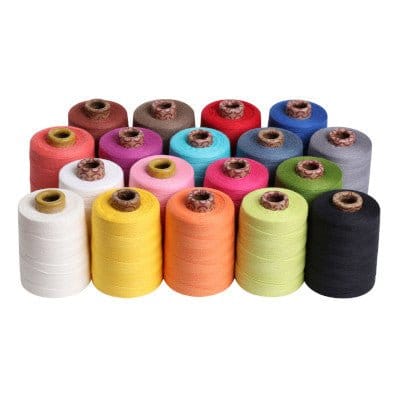
Ashford Yoga Yarn 8/2 Cotton
Regular price From $25.50 USDRegular price -

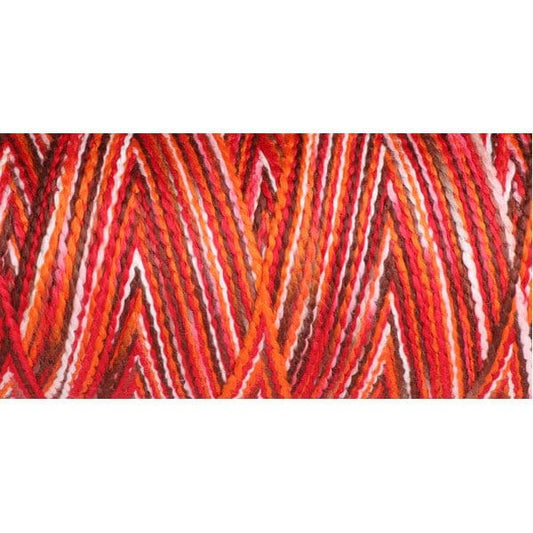
Ashford Caterpillar Cotton Sport Weight Yarn
Regular price $38.49 USDRegular price -
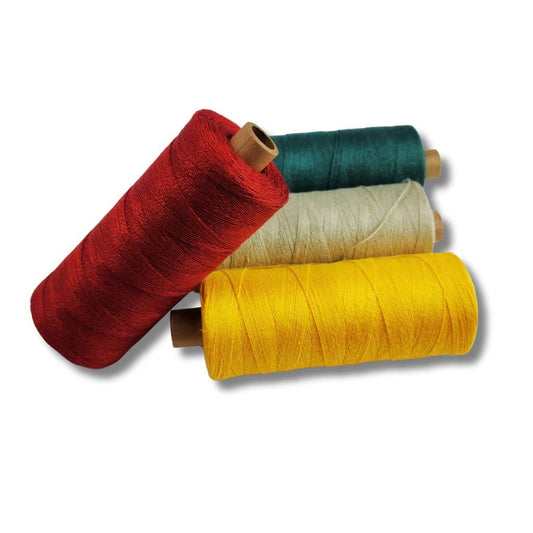
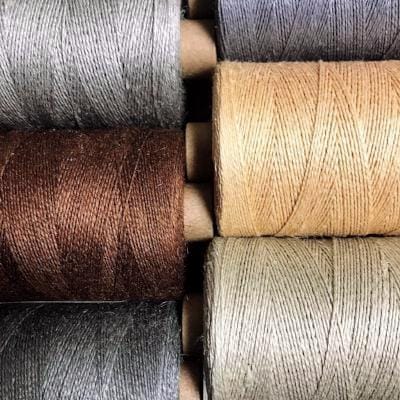
Bockens Line Linen Yarn - 16/2 - Colors
Regular price From $22.00 USDRegular price -

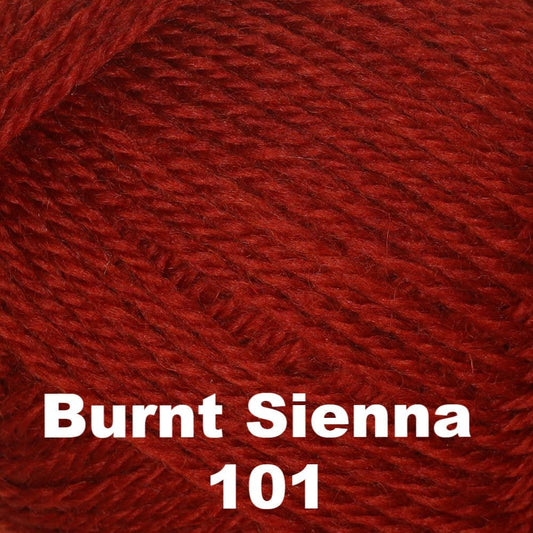
Brown Sheep Nature Spun Yarn Cones - Sport
Regular price From $64.99 USDRegular price -

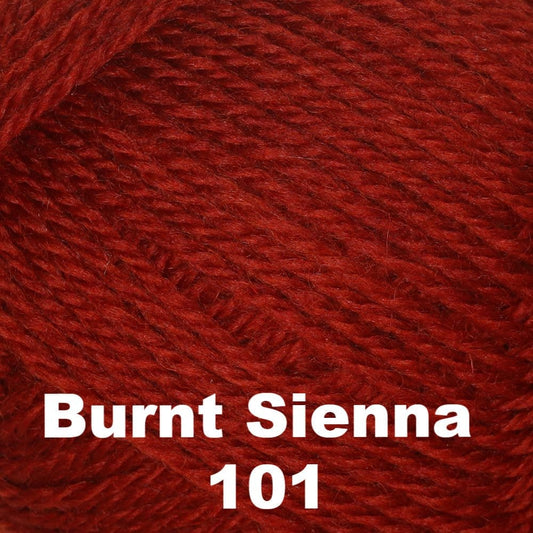
Brown Sheep Nature Spun Yarn Cones - Fingering
Regular price From $65.99 USDRegular price -

Ashford Cottolin 8/2 Cone
Regular price $25.50 USDRegular price -


Bockens Linen/Flax Rug Warp - 8/4
Regular price From $53.99 USDRegular price -

Bockens 8/2 Unmercerized Cotton Yarn - Bright Red
Regular price $29.25 USDRegular price -

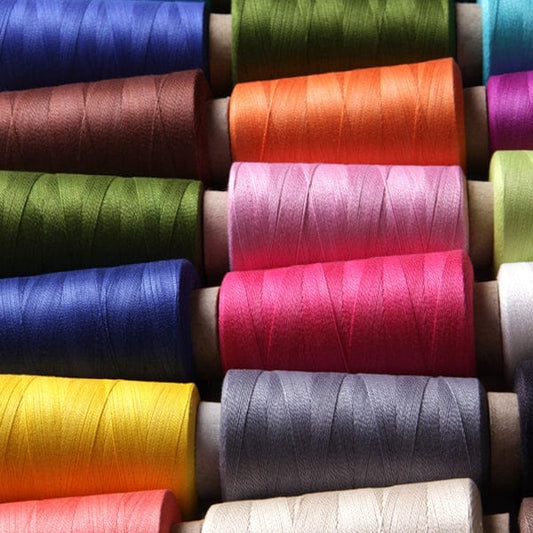
Ashford Mercerized Cotton Cones - 5/2
Regular price $25.50 USDRegular price -

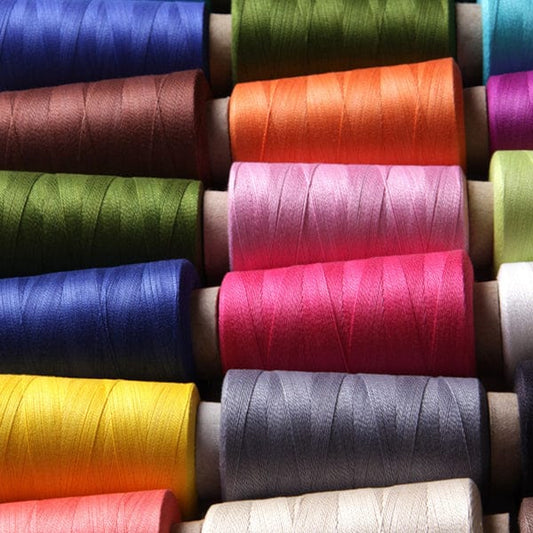
Ashford Mercerized Cotton Cones - 10/2
Regular price $25.50 USDRegular price -

Bockens 8/2 Unmercerized Cotton Yarn - Light Gray
Regular price $29.25 USDRegular price -

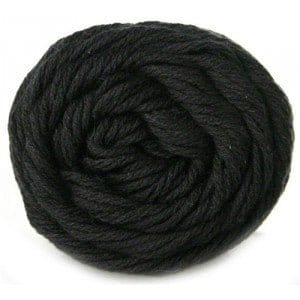
Brown Sheep Cotton Fine Yarn - 1/2 lb Cone
Regular price From $37.60 USDRegular price -
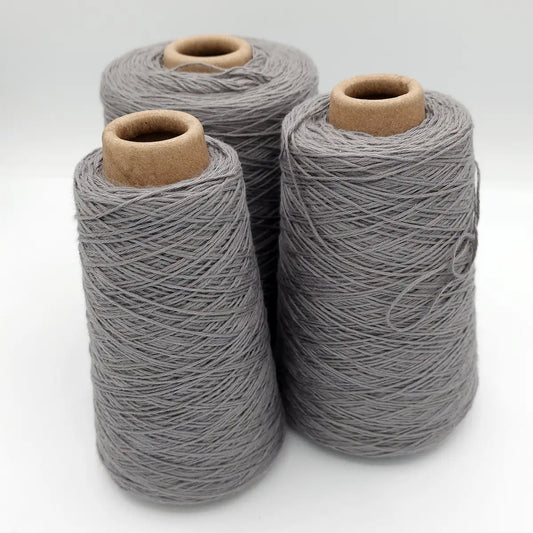
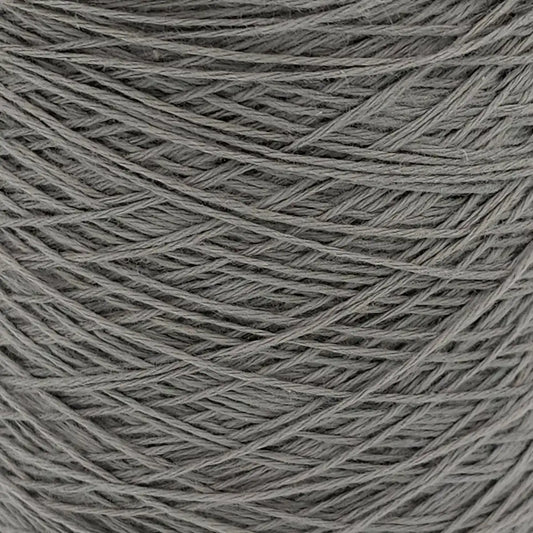
8/4 Cotton Weaving Yarn - Timberwolf | Unmercerized Cones by Lofty Fiber
Regular price From $13.09 USDRegular price -

8/4 Cotton Weaving Yarn - Lemon Yellow | Unmercerized Cones by Lofty Fiber
Regular price From $13.09 USDRegular price -

8/4 Cotton Weaving Yarn - Cherry Red | Unmercerized Cones by Lofty Fiber
Regular price From $13.09 USDRegular price -

LeClerc Cone or Bobbins Holder
Regular price $198.00 USDRegular price -

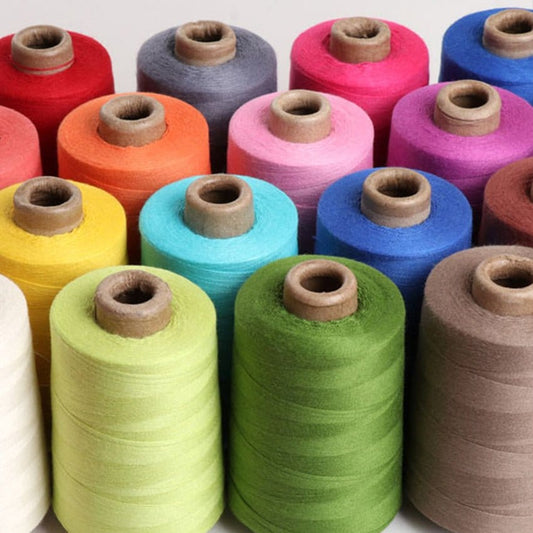
Ashford Unmercerized Cotton Cones - 5/2
Regular price $25.00 USDRegular price -

Bockens 8/2 Unmercerized Cotton Yarn - Orange
Regular price $29.25 USDRegular price -

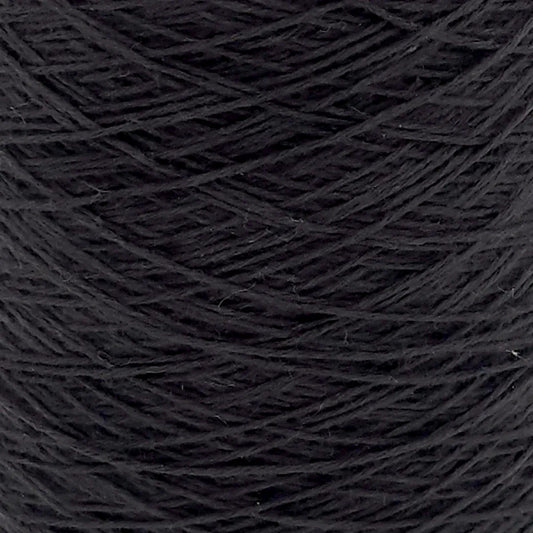
8/4 Cotton Weaving Yarn - Black | Unmercerized Cones by Lofty Fiber
Regular price From $13.09 USDRegular price -

8/4 Cotton Weaving Yarn - Mojito Mint | Unmercerized Cones by Lofty Fiber
Regular price From $13.09 USDRegular price -

8/4 Cotton Weaving Yarn - Ginger | Unmercerized Cones by Lofty Fiber
Regular price From $13.09 USDRegular price -

8/4 Cotton Weaving Yarn - Soft Pink | Unmercerized Cones by Lofty Fiber
Regular price From $13.09 USDRegular price -

Bockens 8/2 Unmercerized Cotton Yarn - Red
Regular price $29.25 USDRegular price -

Bockens 8/2 Unmercerized Cotton Yarn - Orange Rust
Regular price $29.25 USDRegular price -

Bockens 8/2 Unmercerized Cotton Yarn - Medium Olive Green
Regular price $29.25 USDRegular price -

Bockens 8/2 Unmercerized Cotton Yarn - Butter Yellow
Regular price $29.25 USDRegular price -
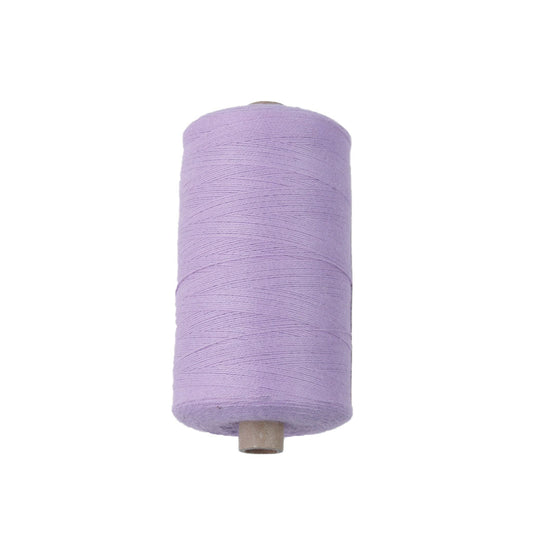
Bockens 8/2 Unmercerized Cotton Yarn - Light Lavender
Regular price $29.25 USDRegular price -

Bockens 8/2 Unmercerized Cotton Yarn - Green
Regular price $29.25 USDRegular price -

Brown Sheep Weavers Wool Warp - 8oz. Cone
Regular price $33.39 USDRegular price -

8/4 Cotton Weaving Yarn - Fir Green | Unmercerized Cones by Lofty Fiber
Regular price From $13.09 USDRegular price -

8/4 Cotton Weaving Yarn - Tangerine | Unmercerized Cones by Lofty Fiber
Regular price From $13.09 USDRegular price -

8/4 Cotton Weaving Yarn - Cobalt | Unmercerized Cones by Lofty Fiber
Regular price From $13.09 USDRegular price -

Brown Sheep Weavers Wool Warp/Indian Warp - 2lb Cone
Regular price $118.79 USDRegular price -

Bockens 8/2 Unmercerized Cotton Yarn - Navy
Regular price $29.25 USDRegular price -

Bockens 8/2 Unmercerized Cotton Yarn - Slate Grey
Regular price $29.25 USDRegular price -


Bockens Cotton Seine Twine Rug Warp - 12/6
Regular price From $38.00 USDRegular price


Frequently Asked Questions
You can use knitting yarn for weaving, but there are important differences to understand before you do. Warp threads - the threads that run lengthwise on your loom under tension - need to be strong, smooth, and low stretch. Many knitting yarns, especially singles and soft woolen spun fibers, are too fragile or too stretchy to hold up well under warp tension. For the weft (the threads woven across the warp), knitting yarn works quite well and adds beautiful color and texture. Dedicated weaving yarns, particularly cotton and wool on cones, are engineered for consistent tension and strength, which is why most weavers stock both.
The notation system for weaving yarn describes the size and ply of the thread. In the 10/2 designation, the first number (10) refers to the count or fineness of the yarn - the higher the number, the finer the individual thread. The second number (2) refers to the number of plies twisted together. So 10/2 cotton is a two ply yarn made from size 10 cotton thread, and 16/2 cotton is a finer two ply made from size 16 thread. The higher the first number, the more threads per inch your finished cloth will have. 10/2 is a versatile everyday weaving weight, while 16/2 is used for finer cloth and more delicate projects.
Calculating warp yardage requires knowing your sett (how many warp ends per inch), the width of your weaving, and the length of your warp including loom waste (the portions that cannot be woven). A simple formula: multiply your ends per inch by the weaving width, then multiply that by the total warp length plus about 30 inches for loom waste and fringe. For weft, a general estimate is that you will use a similar total yardage for weft as you do for warp on a balanced plain weave. Online weaving calculators can be helpful, and our team is happy to walk you through the math for any specific project.
Weaving yarn is sold both ways. Cones are the most common format for serious weavers who go through yarn regularly - they are more economical per yard, easier to use directly on the loom without rewinding, and they last through multiple projects. Skeins are more accessible for beginners who want to try a variety of yarns without committing to large quantities. If you are just getting started, buying a few skeins to experiment is a great approach. Once you know which yarns and colors you love and go through most, switching to cones makes a lot of practical and financial sense.
Beyond strength, weaving yarns tend to be more tightly spun and plied than knitting yarns, which gives them a smoother surface that slides through the heddle and reed cleanly without abrading or catching. They also tend to have less halo and surface fuzz than many knitting yarns, which is important in warp where fiber fuzzing can cause threads to stick together and create weaving problems. Weaving yarns are also commonly available on large cones and in a much wider range of specific weights and counts designed to hit precise sett calculations. That precision matters a lot more in weaving than in most knitting contexts.
Cotton is the most popular weaving fiber for utility cloth like dish towels, placemats, and napkins - it is durable, washable, and gets better with use. Wool is wonderful for wraps, blankets, upholstery fabric, and anything where warmth and drape matter. Linen is excellent for summer cloth, table linens, and anything that benefits from a natural, slightly rustic texture. Silk adds incredible drape and luminosity, often used as weft in luxury garments and decorative pieces. For rigid heddle weavers, a smooth cotton or wool weaving yarn in a size appropriate for your heddle's sett is the most practical starting point.