
Yarn Knitting Needles
Find the right knitting needles for any project. We carry circular, straight, double-pointed, and interchangeable knitting needles from ChiaoGoo, HiyaHiya, Addi, Brittany Birch, Lykke, Kollage Square, and Knitter's Pride - in stainless steel, bamboo, and wood. Use the filters to shop by type, brand, or size, and check out our buying guide below the products.
-

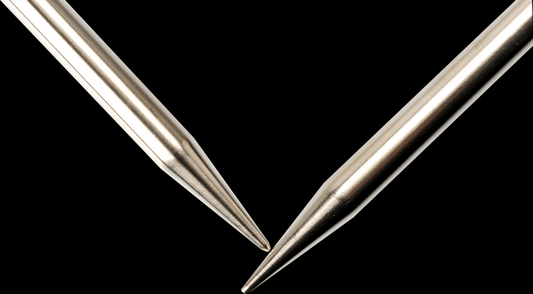
ChiaoGoo Red Lace Steel Circular Knitting Needles 32"
Vendor:ChiaoGooRegular price From $14.49 USDRegular price$0.00 USDSale price From $14.49 USD -
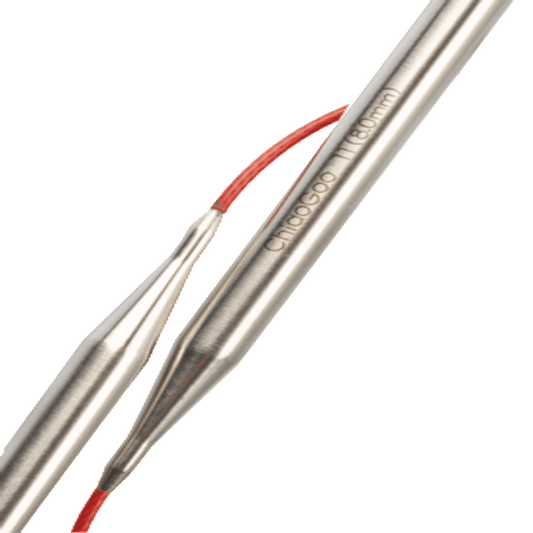
ChiaoGoo Red Lace Steel Circular Knitting Needles 40"
Vendor:ChiaoGooRegular price From $14.49 USDRegular price -
ChiaoGoo Red Lace Steel Circular Knitting Needles 16"
Vendor:ChiaoGooRegular price From $14.49 USDRegular price -
ChiaoGoo Red Lace Steel Circular Knitting Needles 24"
Vendor:ChiaoGooRegular price From $14.49 USDRegular price -
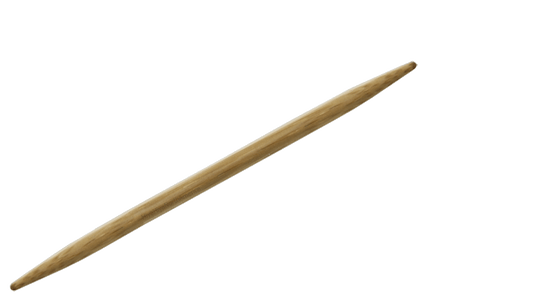
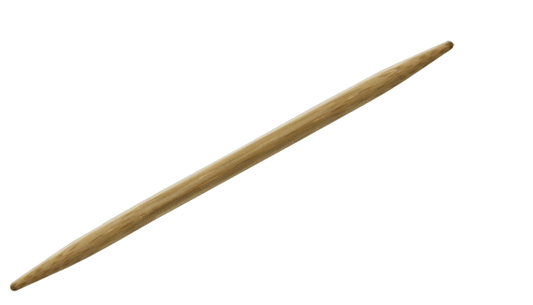
HiyaHiya Bamboo Double Pointed Knitting Needles
Vendor:HiyaHiyaRegular price From $14.00 USDRegular price -

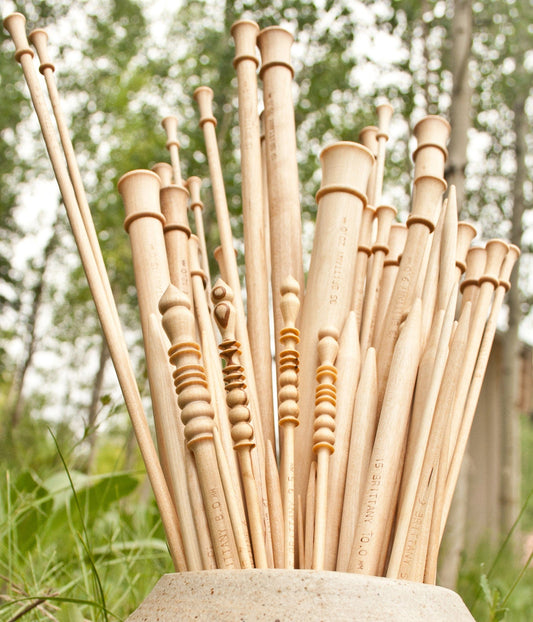
Brittany Birch 10" Wooden Straight Knitting Needles
Vendor:Brittany BirchRegular price From $11.49 USDRegular price -

HiyaHiya 16" Steel Circular Knitting Needles
Vendor:HiyaHiyaRegular price From $12.50 USDRegular price -

HiyaHiya 24" SHARP Steel Circular Knitting Needles
Vendor:HiyaHiyaRegular price From $12.50 USDRegular price -

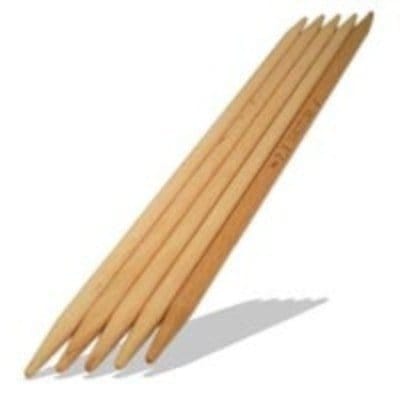
Brittany Birch 5" Wooden Double Pointed Knitting Needles
Vendor:Brittany BirchRegular price $11.49 USDRegular price -

HiyaHiya 16" SHARP Steel Circular Knitting Needles
Vendor:HiyaHiyaRegular price From $12.50 USDRegular price -

HiyaHiya 40" SHARP Steel Circular Knitting Needles
Vendor:HiyaHiyaRegular price From $12.50 USDRegular price -

HiyaHiya 16" Bamboo Circular Knitting Needles
Vendor:HiyaHiyaRegular price From $14.00 USDRegular price -

HiyaHiya 32" SHARP Steel Circular Knitting Needles
Vendor:HiyaHiyaRegular price From $12.50 USDRegular price -

HiyaHiya 32" Steel Circular Knitting Needles
Vendor:HiyaHiyaRegular price From $12.50 USDRegular price -

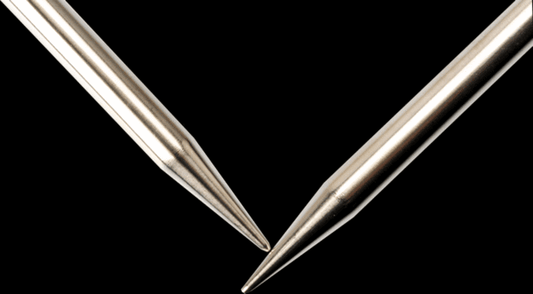
ChiaoGoo Red Lace Steel Circular Knitting Needles 47"
Vendor:ChiaoGooRegular price From $14.49 USDRegular price -

HiyaHiya 6" Steel Double Pointed Knitting Needles
Vendor:HiyaHiyaRegular price From $12.50 USDRegular price -

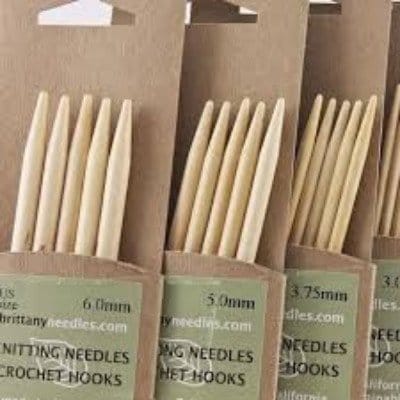
Brittany Birch 7.5" Double Pointed Knitting Needles
Vendor:Brittany BirchRegular price From $10.50 USDRegular price -

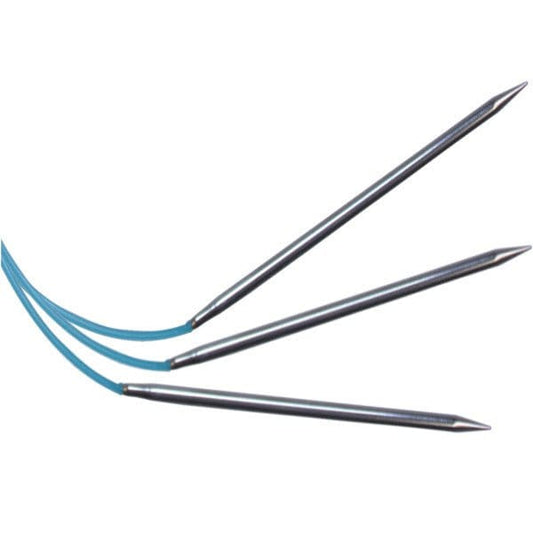
HiyaHiya 8 inch Sharp Flyer Knitting Needles
Vendor:HiyaHiyaRegular price From $29.90 USDRegular price -
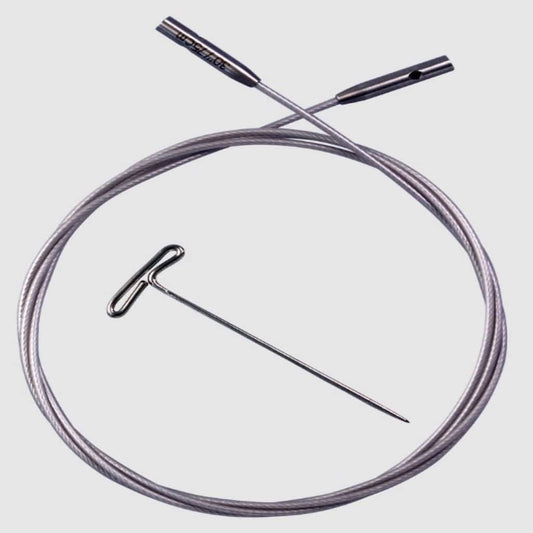
ChiaoGoo SWIV360 Silver Cables For Interchangeable Knitting Needles
Vendor:ChiaoGooRegular price From $12.49 USDRegular price -
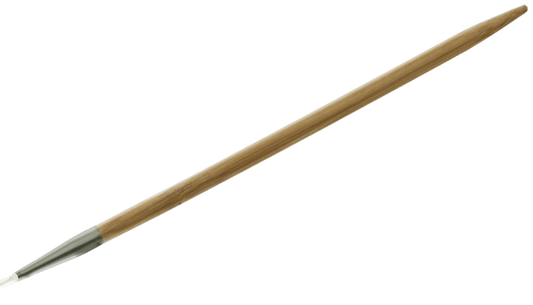
HiyaHiya 32" Bamboo Circular Knitting Needles
Vendor:HiyaHiyaRegular price From $14.00 USDRegular price -

HiyaHiya 6" SHARP Steel Double Pointed Knitting Needles
Vendor:HiyaHiyaRegular price From $12.50 USDRegular price -

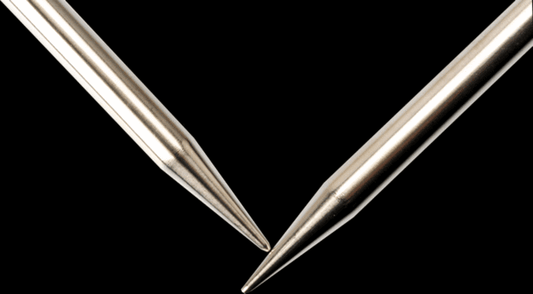
ChiaoGoo Red Lace Steel Circular Knitting Needles 60"
Vendor:ChiaoGooRegular price From $14.49 USDRegular price -

HiyaHiya 24" Bamboo Circular Knitting Needles
Vendor:HiyaHiyaRegular price From $14.00 USDRegular price -

Brittany Birch 14" Straight Knitting Needles
Vendor:Brittany BirchRegular price From $10.50 USDRegular price -

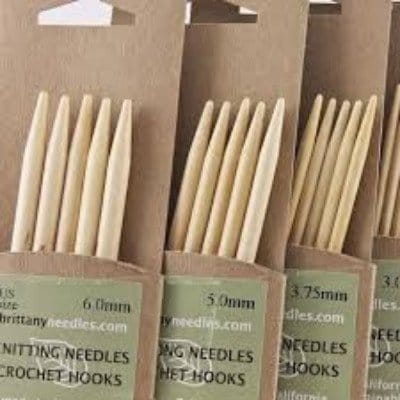
Brittany Birch 10" Double Pointed Knitting Needles
Vendor:Brittany BirchRegular price From $10.50 USDRegular price -

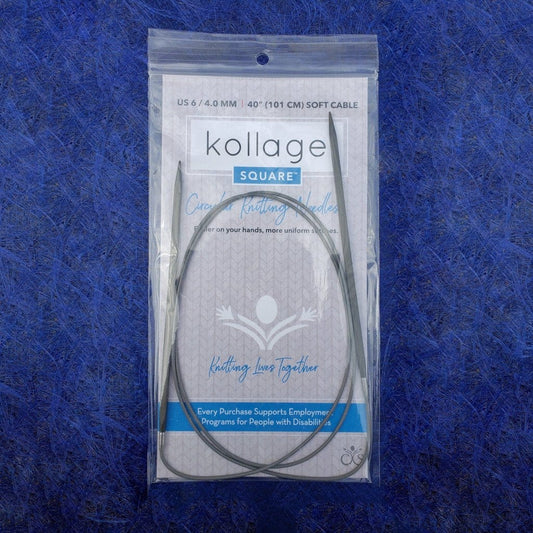
Kollage Square Circular Knitting Needles - Firm
Vendor:Kollage SquareRegular price $9.99 USDRegular price -
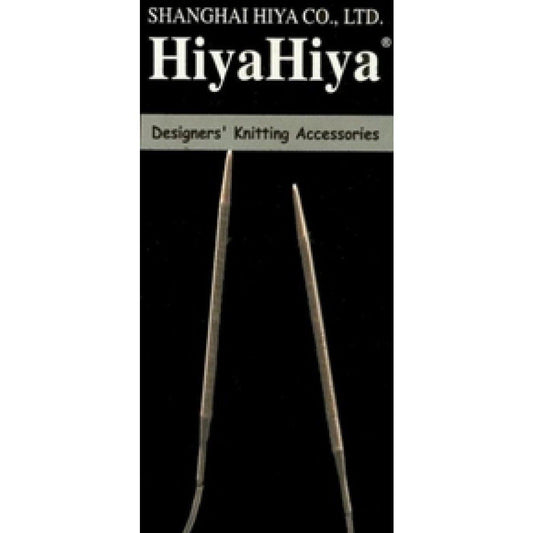
HiyaHiya 24" Steel Circular Knitting Needles
Vendor:HiyaHiyaRegular price From $12.50 USDRegular price -

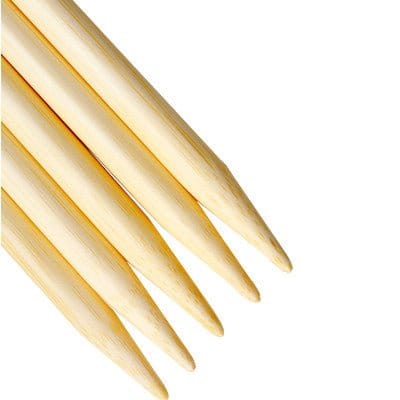
ChiaoGoo Natural Bamboo 6 Inch Double Pointed Knitting Needles
Vendor:ChiaoGooRegular price From $10.99 USDRegular price -

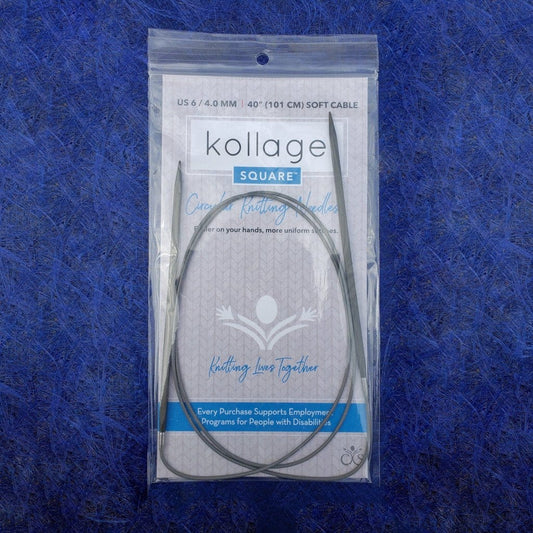
Kollage Square Circular Knitting Needles - Soft
Vendor:Kollage SquareRegular price $9.99 USDRegular price -
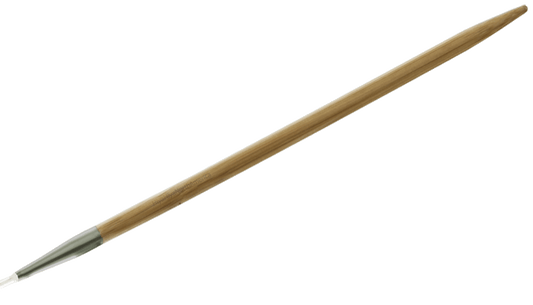
HiyaHiya 40" Bamboo Circular Knitting Needles
Vendor:HiyaHiyaRegular price From $14.00 USDRegular price -

HiyaHiya 9" SHARP Steel Circular Knitting Needles
Vendor:HiyaHiyaRegular price From $12.50 USDRegular price -

HiyaHiya 9" Steel Circular Knitting Needles
Vendor:HiyaHiyaRegular price From $12.50 USDRegular price -

HiyaHiya 40" Steel Circular Knitting Needles
Vendor:HiyaHiyaRegular price From $12.50 USDRegular price -

HiyaHiya 20" Steel Circular Knitting Needles
Vendor:HiyaHiyaRegular price From $12.50 USDRegular price -

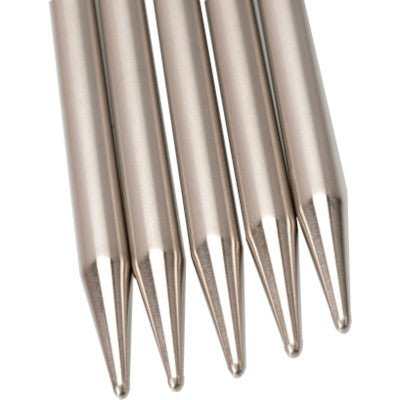
ChiaoGoo 6 Inch Stainless Steel Double Point Knitting Needles
Vendor:ChiaoGooRegular price From $12.99 USDRegular price -

HiyaHiya 12" Steel Circular Knitting Needles
Vendor:HiyaHiyaRegular price From $12.50 USDRegular price


Frequently Asked Questions
Material makes a genuinely meaningful difference in how needles feel to use and how well they work with specific yarns. Wood and bamboo needles have a slight natural grip that helps stitches stay on the needle - this is excellent for beginners, for slippery yarns like silk and bamboo, and for knitters who find metal needles too fast. Metal needles (typically aluminum, brass, or stainless steel) are very smooth and allow stitches to slide effortlessly, which makes them faster for experienced knitters and ideal for sticky fibers like mohair. Plastic and acrylic needles are lightweight and inexpensive. Carbon fiber needles offer warmth, smoothness, and light weight in a premium package. There is no single best material - it depends on the yarn you are using and how you prefer your needles to feel in your hands.
Your pattern is your primary guide - most knitting patterns specify a recommended needle size and a target gauge (stitches and rows per inch or centimeter). The gauge is what actually matters, not the needle size itself, because everyone's tension is different. Two knitters using the same needle size and the same yarn will often produce fabric at different gauges. This is why swatching is important, particularly for garments where fit matters. Cast on at least 20 stitches in your intended yarn on the recommended needle size, knit several inches, and measure your gauge. If your swatch is too tight, go up a needle size. If it is too loose, go down. Adjusting your needle size to hit the pattern gauge is how you ensure your finished project comes out the right size.
Fixed circular needles have tips permanently attached to a single length of cable and cannot be separated. They are available in specific cable lengths and are a reliable, no-fuss option for projects with a defined circumference. Interchangeable circular needle sets have tips that screw or click onto cables of different lengths, so you can mix and match any tip size with any cable length. An interchangeable set is a significant upfront investment but replaces a whole drawer full of fixed circulars with a single organized kit - every combination of tip size and cable length you could need in one portable case. For knitters who use circular needles regularly across a variety of project types, an interchangeable set almost always pays for itself in convenience and savings over time.
For a brand new knitter still figuring out whether the craft will stick, starting with inexpensive needles is completely reasonable - the difference in quality matters less while you are still learning basic technique. Once you are knitting regularly, the quality of your needles does matter and the upgrade is worth it. Premium needles from brands like Addi, Chiaogoo, HiyaHiya, and Knitter's Pride offer smoother joins between tip and cable (which prevents stitches catching mid project), more precise tip shapes for intricate work, more pleasant materials in your hands for long sessions, and greater durability over years of use. Cheap needles can have rough joins that snag stitches, uneven tips, and cables that kink or crack over time. The investment in a quality set of interchangeable needles in particular is one most regular knitters make once and never regret.
Different techniques do favor different needle characteristics. For lace knitting, a sharp pointed tip is essential - you need to insert the needle cleanly into multiple stitches at once for decreases, and a blunt tip makes this difficult and frustrating. For cable knitting, a slightly blunter, smooth metal tip that lets stitches slide easily helps you work quickly through the cable crosses. For colorwork like Fair Isle stranding, long circular needles work well because you often need to spread many stitches out to check your tension across the round. For socks on small circumferences, either a short circular (magic loop method) or double pointed needles in a material with a bit of grip are popular choices. Our team knits across all of these techniques and can give you specific needle recommendations for whatever you are working on.