
Mohair Yarn
Mohair yarn is beloved for its signature halo, featherlight warmth, and unmistakable softness. Spun from the fleece of the Angora goat, mohair creates fabrics that feel airy yet insulating, perfect for garments that look delicate but wear beautifully.
-
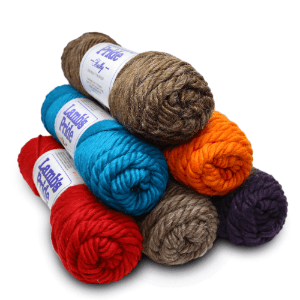
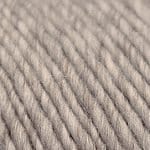
Brown Sheep Lamb's Pride Bulky Yarn
Regular price $18.99 USDRegular price -

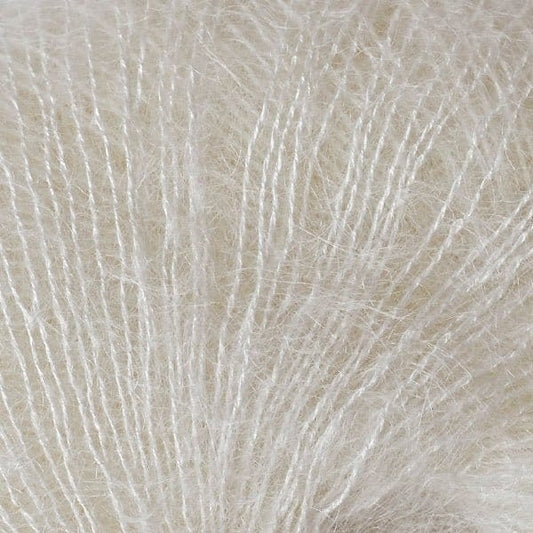
Berroco Aerial Lace Yarn
Regular price $15.74 USDRegular price$0.00 USDSale price $15.74 USD -

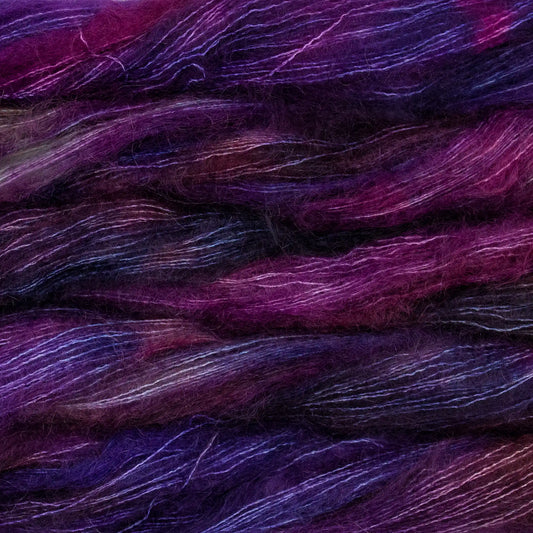
Malabrigo Mohair Lace Yarn
Regular price $15.19 USDRegular price -
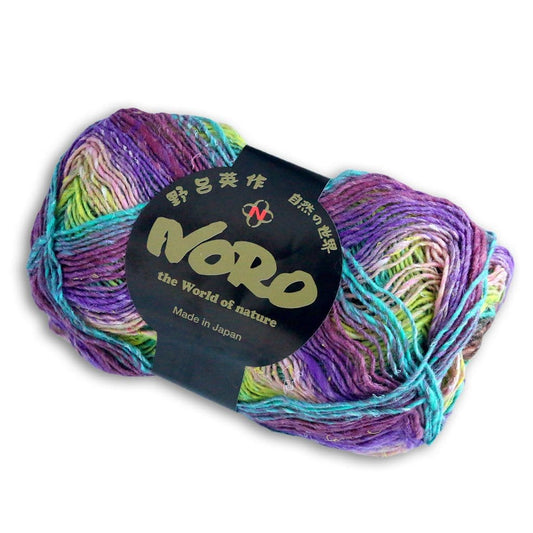
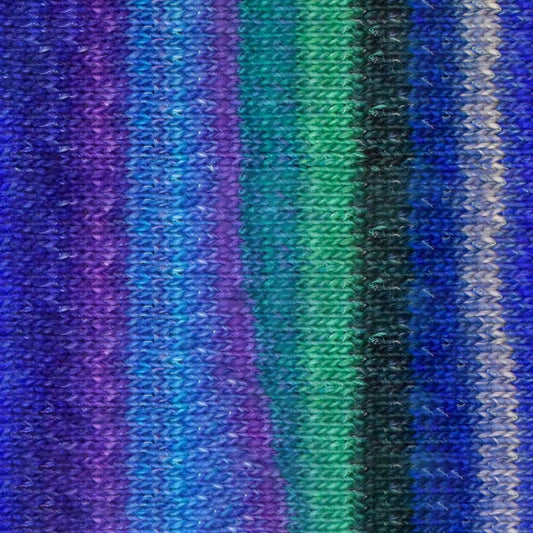
Noro Silk Garden Sock Sport Yarn
Regular price $24.99 USDRegular price -
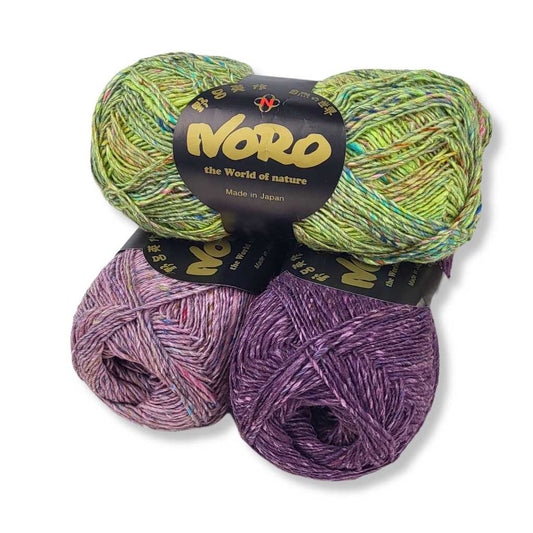
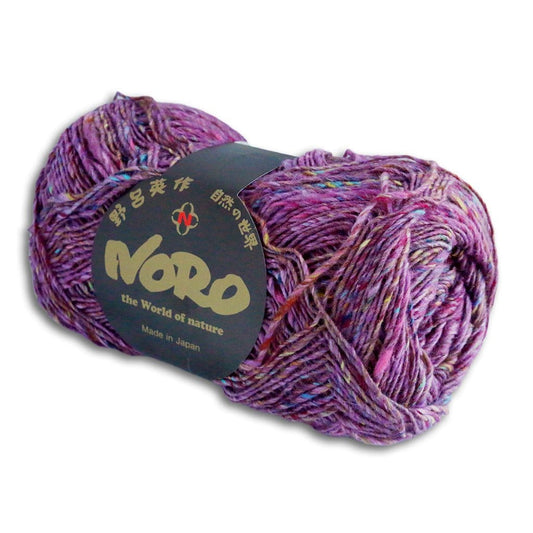
Noro Silk Garden Sock Solo Sport Yarn
Regular price $21.99 USDRegular price$0.00 USDSale price $21.99 USD -

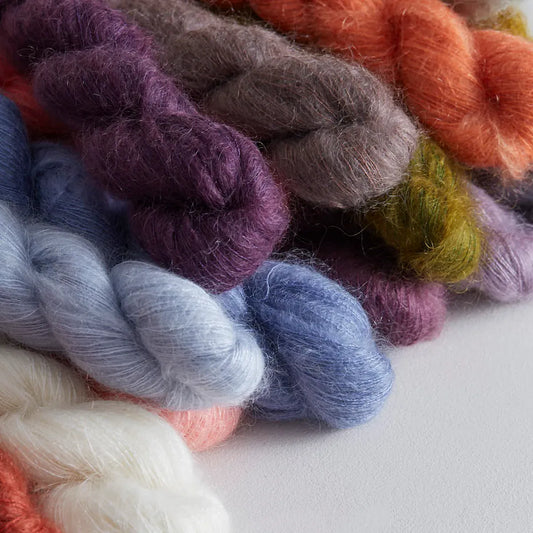
Urth Yarns Bonmoher Lace Yarn
Regular price $22.99 USDRegular price -

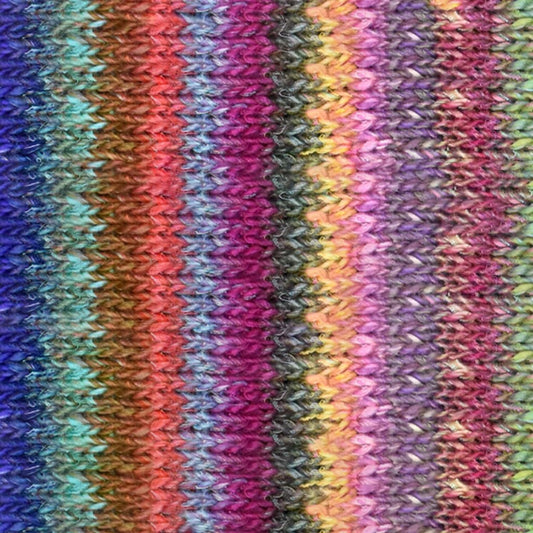
-

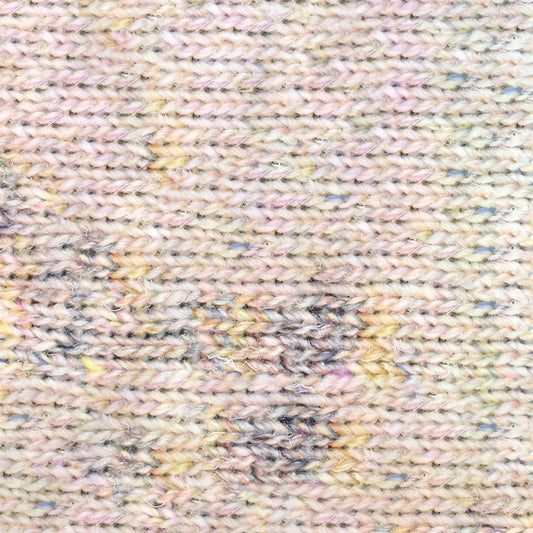
Noro Silk Garden Solo Worsted Yarn
Regular price $14.99 USDRegular price -


Kelbourne Woolens Harmony Kid Mohair Silk Lace Yarn
Regular price $15.99 USDRegular price -
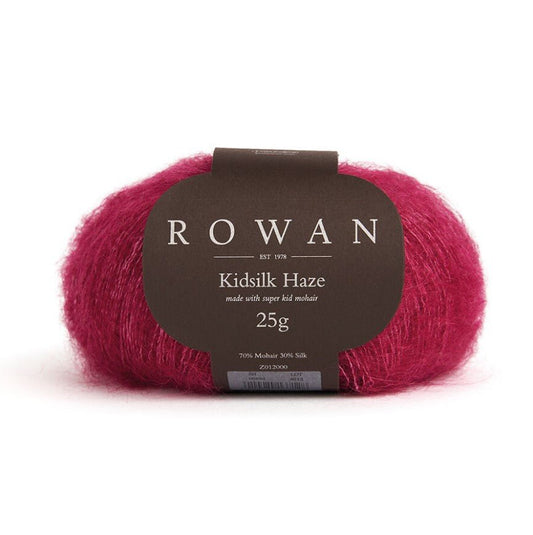
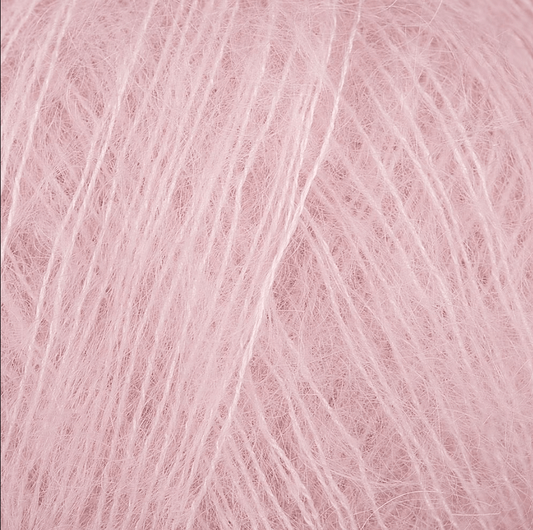
Rowan Kidsilk Haze
Regular price $19.99 USDRegular price -
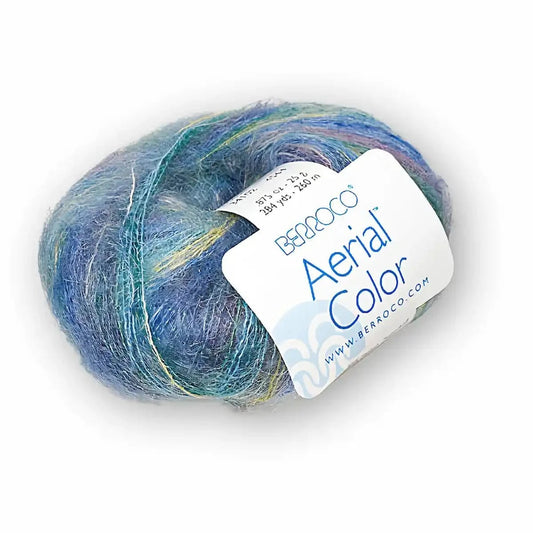
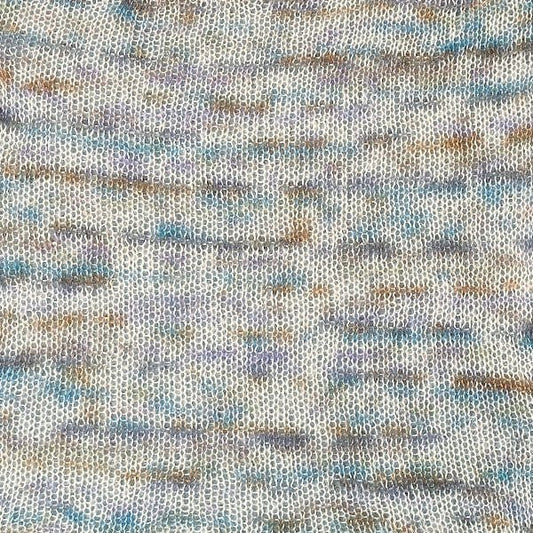
Berroco Aerial Color Lace Yarn
Regular price $15.99 USDRegular price$0.00 USDSale price $15.99 USD -

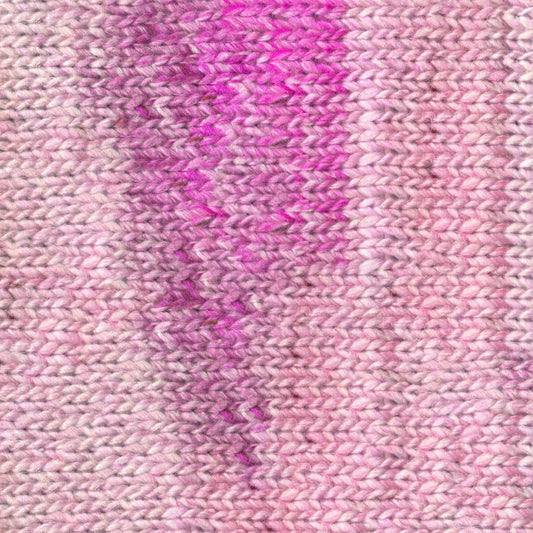
Noro Akari Worsted Yarn
Regular price $24.99 USDRegular price$49.99 USDSale price $24.99 USDSold out -

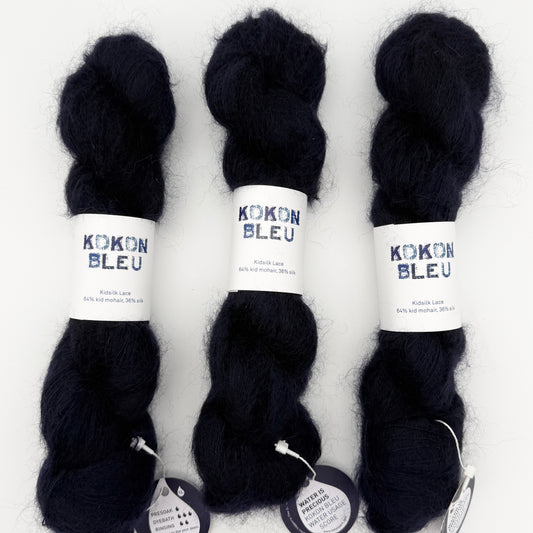
KOKON BLEU Kidsilk Yarn
Regular price $32.00 USDRegular price -

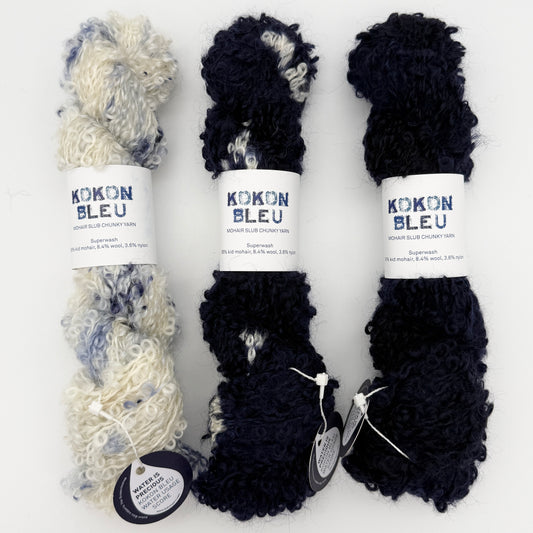
KOKON BLEU Slubby Mohair Yarn
Regular price $36.50 USDRegular price -

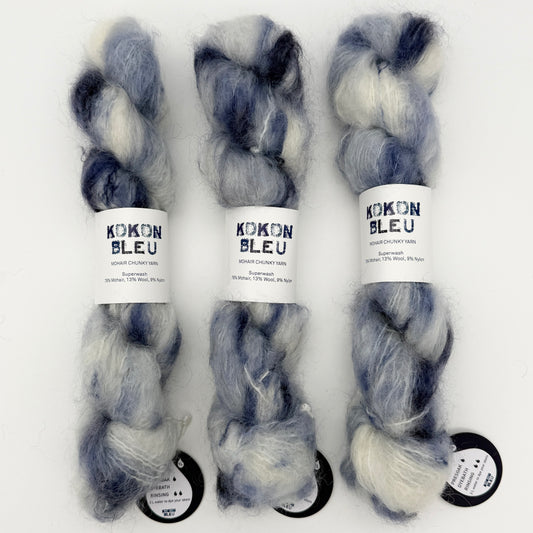
KOKON BLEU Chunky Mohair Yarn
Regular price $27.99 USDRegular price -
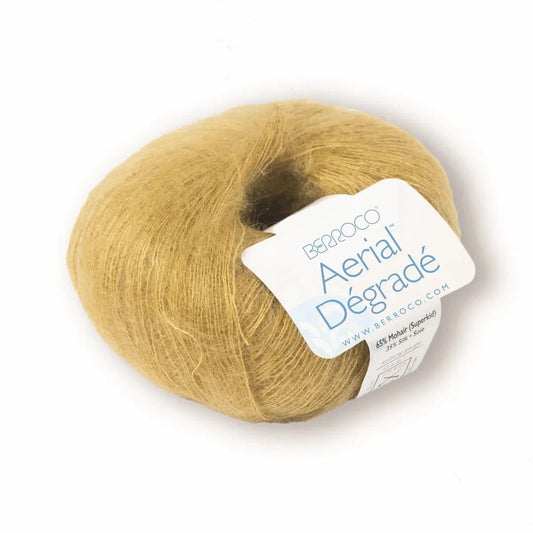
Berroco Aerial Dégradé Lace Yarn
Regular price $32.99 USDRegular price$0.00 USDSale price $32.99 USDSold out


Frequently Asked Questions
Mohair is a fiber produced from the fleece of the Angora goat, a breed known for its long, fine, incredibly lustrous fiber. The name can be confusing because angora fiber also exists - that comes from the Angora rabbit, which is a completely different animal. Mohair is prized in the fiber arts world for its characteristic halo, its incredible sheen, and its warmth. Kid mohair, which comes from the first or second shearing of a young Angora goat, is the finest and softest grade and is often used in luxury yarn blends for next-to-skin wear.
Coarser grades of mohair can feel scratchy against sensitive skin, but fine kid mohair is genuinely soft and is used in many luxury yarn blends designed for garments worn directly against the body. Mohair is most commonly blended with silk, merino, or other fine fibers to improve softness and wearability. If you are sensitive to fiber texture, look for yarn that specifies kid mohair as the primary content and check whether it includes silk, which adds smoothness. The iconic halo of mohair is formed by its long, fine fiber ends, which can feel ticklish or irritating to some people even when the base fiber is fine. Trying a sample against your skin before committing to a full project is always a good idea.
Wool and mohair are both protein animal fibers, but they have distinctly different properties. Wool has natural elasticity and memory, making it ideal for structured garments, colorwork, and anything that needs to hold its shape. Mohair has almost no elasticity but produces a characteristic halo and sheen that wool cannot replicate, and it is exceptionally warm for its weight. Mohair is typically chosen when a garment or accessory needs that distinctive soft, fluffy, luminous quality - think fuzzy cardigans, halo shawls, and romantic accessories. Wool is the more practical, versatile choice for everyday garments, socks, and structured projects.
Mohair can be used on its own, but it is most commonly held together with another yarn - typically a thin silk or merino strand - which gives the finished fabric more structure and helps the mohair's halo bloom around a stable base. Working with two strands held together also gives you creative control over the weight and density of the finished fabric. Very fine lace weight mohair is almost always intended to be held double or held with another yarn. Thicker, more structured mohair yarns can be used solo for accessories and looser garments. Check whether your specific yarn is designed for solo use or is intended to be held with a companion strand.
Mohair requires gentle care to preserve its halo and luster. Hand wash in cool water with a very gentle wool wash and avoid any agitation - mohair felts easily under heat and friction. Support the full weight of the wet fabric while you handle it, press out excess water gently without wringing, and lay flat to dry in its original shape. One thing to be aware of is that mohair halo is notoriously difficult to un-frog if you need to pull out stitches - the fibers interlock during knitting and resist separation. This is why many experienced knitters advise knitting a gauge swatch in mohair and committing to a project before beginning, rather than planning to rip back and start over.