
Black Yarn
Every black and near-black colorway we have in stock, from true jet black to charcoal and pepper heathers. Wool, cotton, alpaca, and machine-washable yarns in weights from fingering to super bulky.
For lighter charcoals and greys, see silver yarn. For a black background with color running through it, try multicolor yarn.
-

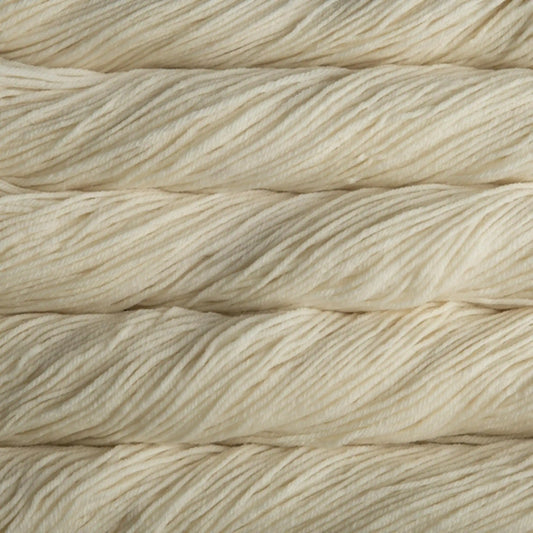
Malabrigo Rios Worsted Yarn
Regular price $17.59 USDRegular price -
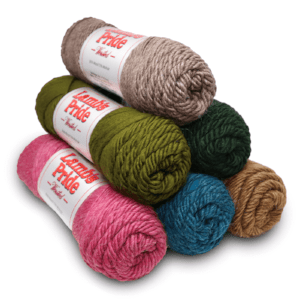
Lamb's Pride Worsted Wool-Mohair Yarn
Regular price From $17.49 USDRegular price -
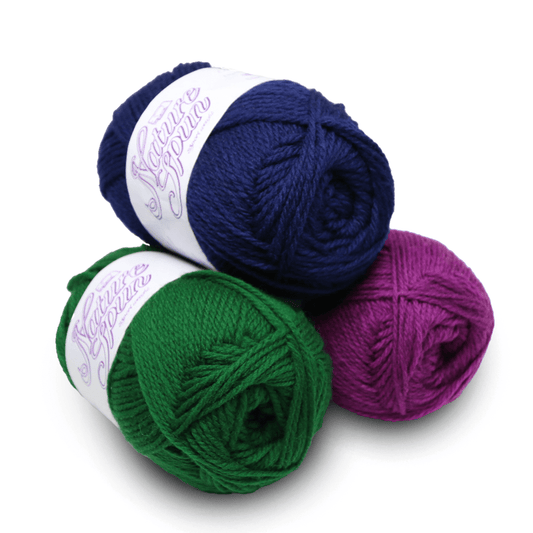

Brown Sheep Nature Spun Sport Yarn
Regular price From $8.49 USDRegular price -

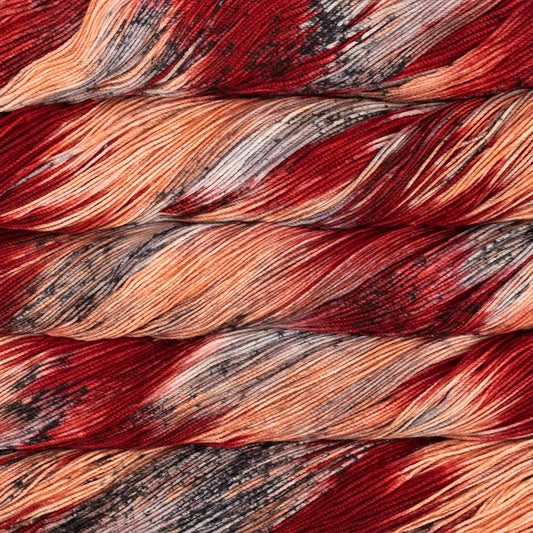
Malabrigo Sock Light Fingering Merino Yarn
Regular price $21.99 USDRegular price -
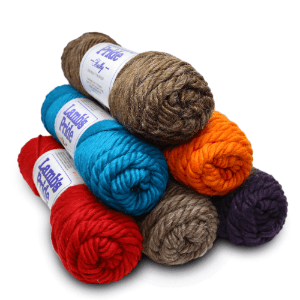
Brown Sheep Lamb's Pride Bulky Yarn
Regular price From $17.49 USDRegular price -

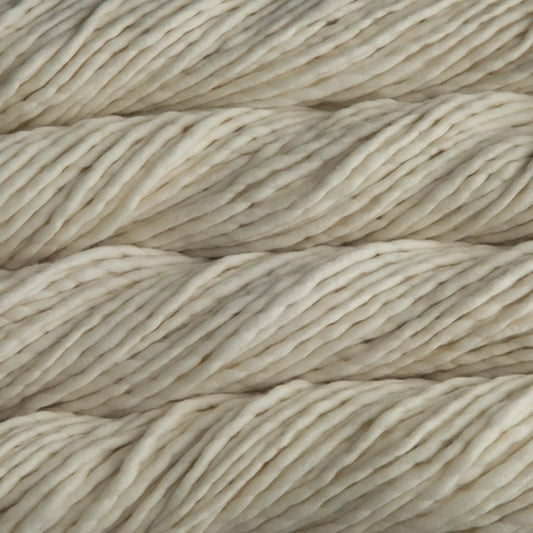
Malabrigo Rasta Super Bulky Yarn
Regular price $24.79 USDRegular price -
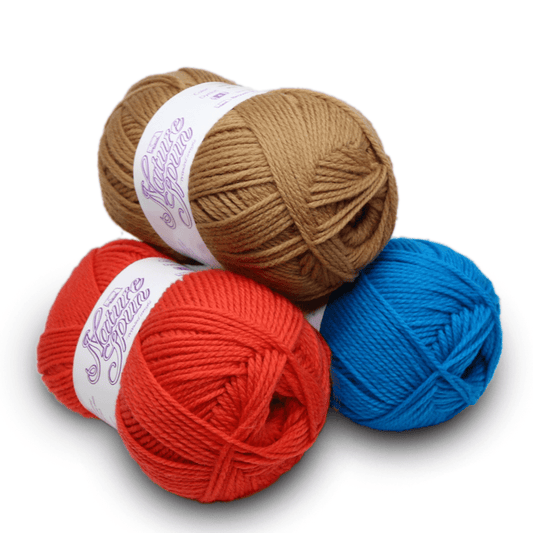
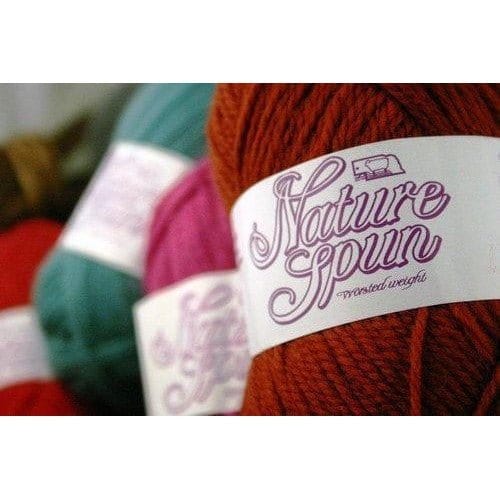
Nature Spun Worsted 100% Wool Yarn
Regular price From $13.49 USDRegular price -
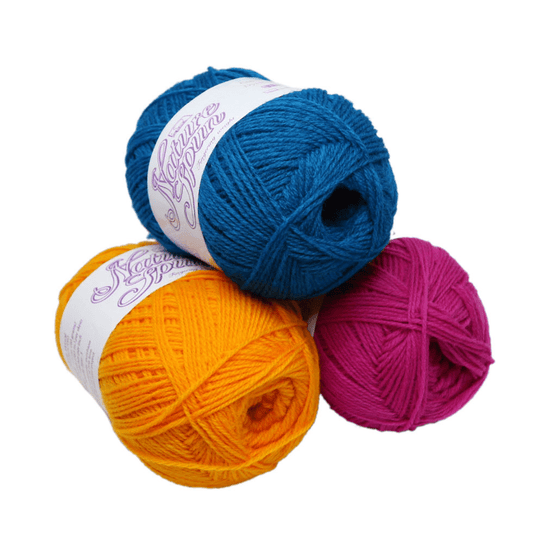
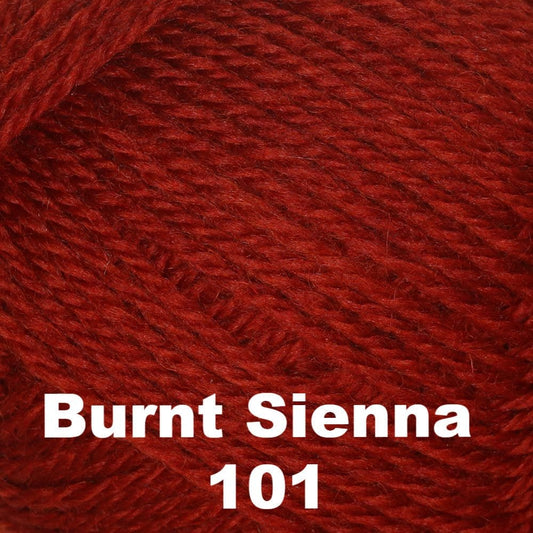
Brown Sheep Nature Spun Fingering Yarn
Regular price From $8.49 USDRegular price -

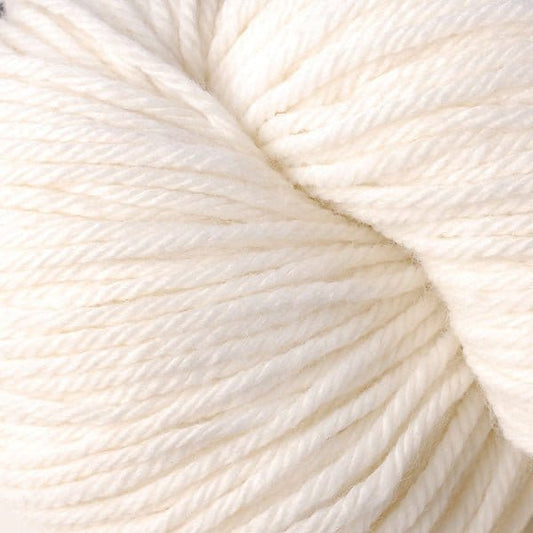
Berroco Vintage Worsted Yarn
Regular price $10.49 USDRegular price -

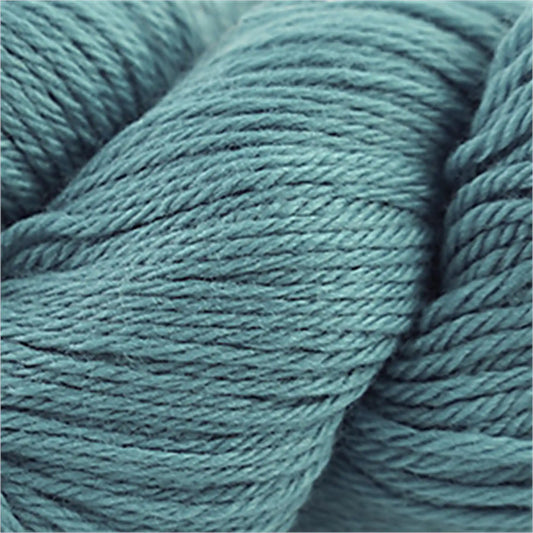
Cascade 220 Worsted Weight Wool Yarn
Regular price $12.49 USDRegular price -

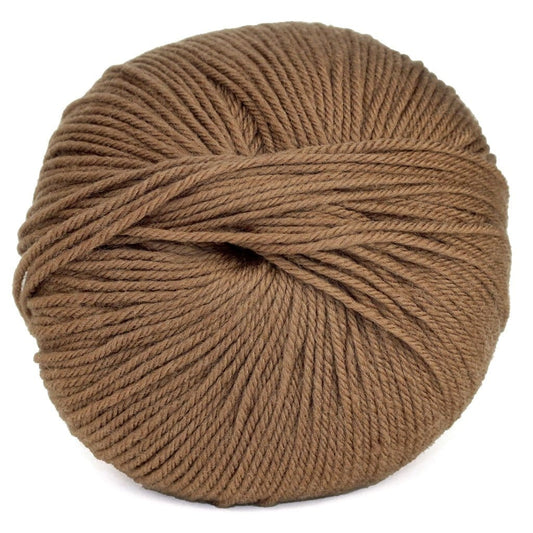
Cascade 220 Superwash Worsted Yarn
Regular price From $11.50 USDRegular price -

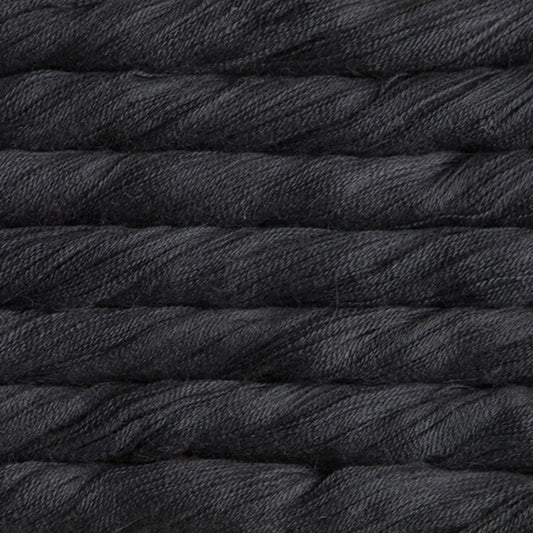
Malabrigo Silkpaca Lace Yarn
Regular price $11.59 USDRegular price -

Arroyo Sport Merino Wool Yarn by Malabrigo
Regular price $21.99 USDRegular price -

Berroco Vintage DK Yarn
Regular price $10.49 USDRegular price$0.00 USDSale price $10.49 USD -

Lopi Léttlopi Aran Yarn
Regular price $7.75 USDRegular price -


Cascade Fixation Yarn DK
Regular price From $5.99 USDRegular price -

Malabrigo Mecha Bulky Yarn
Regular price $16.59 USDRegular price -

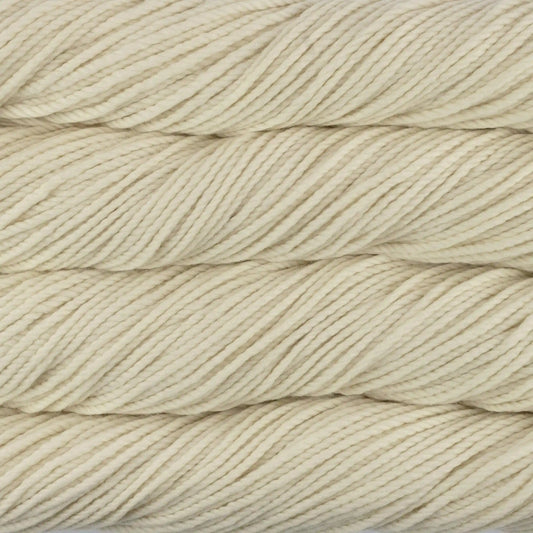
Malabrigo Chunky Bulky Yarn
Regular price $14.79 USDRegular price -

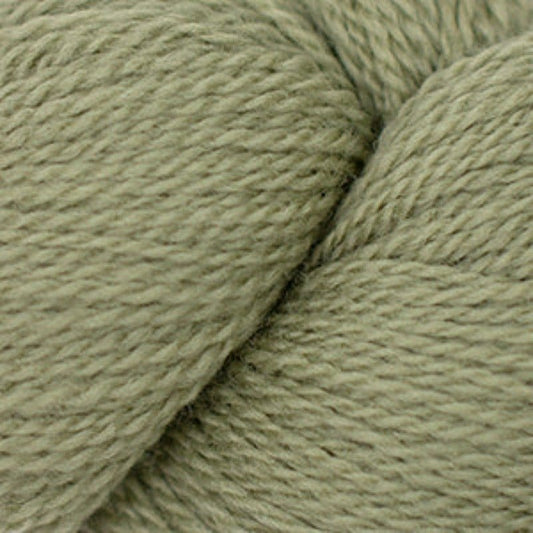
Cascade 220 Fingering Yarn
Regular price From $5.99 USDRegular price -

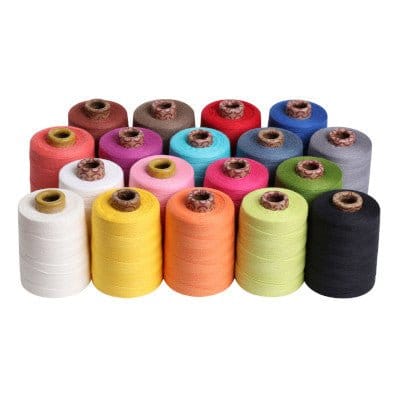
Ashford Yoga Yarn 8/2 Cotton
Regular price From $25.50 USDRegular price -

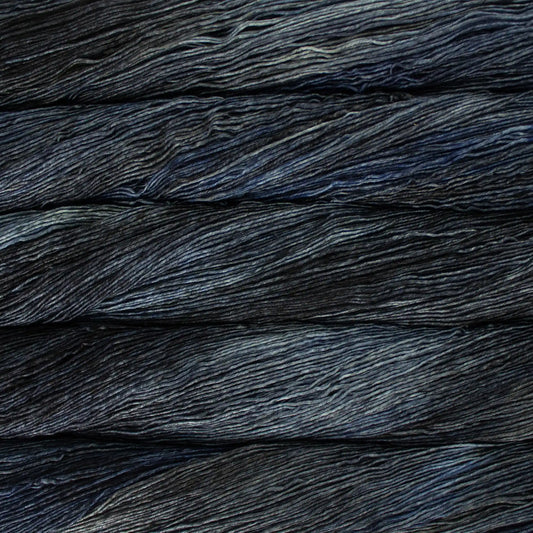
Malabrigo Mechita Fingering Yarn
Regular price $21.99 USDRegular price -

Cascade Ultra Pima DK Yarn
Regular price From $13.50 USDRegular price -

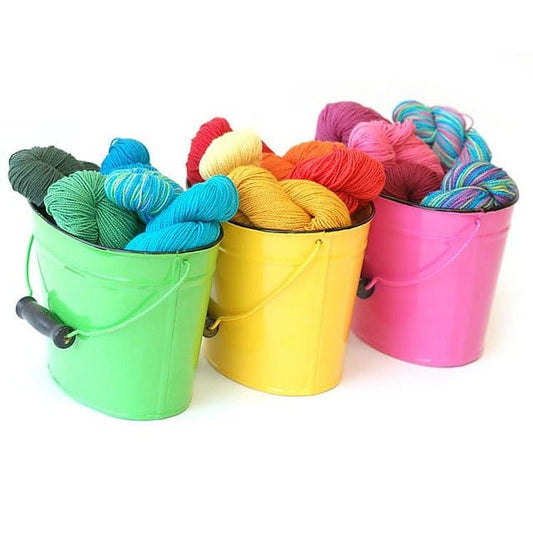
HiKoo CoBaSi Fingering Yarn
Regular price $7.99 USDRegular price -

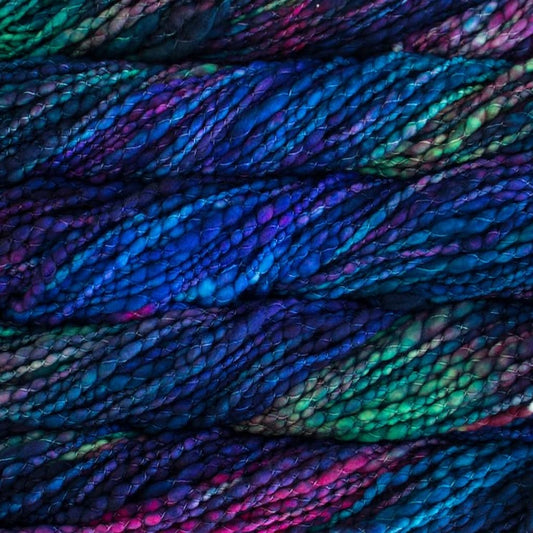
Malabrigo Caracol Super Bulky Yarn
Regular price $25.59 USDRegular price -

Malabrigo Ultimate Sock Fingering Yarn
Regular price $21.99 USDRegular price$0.00 USDSale price $21.99 USD -

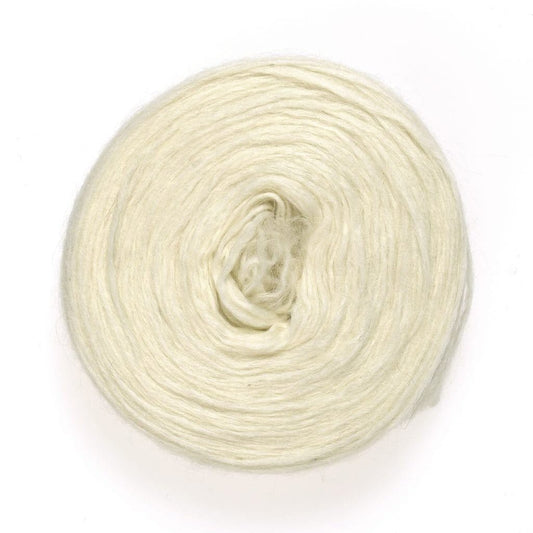
Lopi Plötulopi Unspun DK Yarn
Regular price $14.99 USDRegular price -

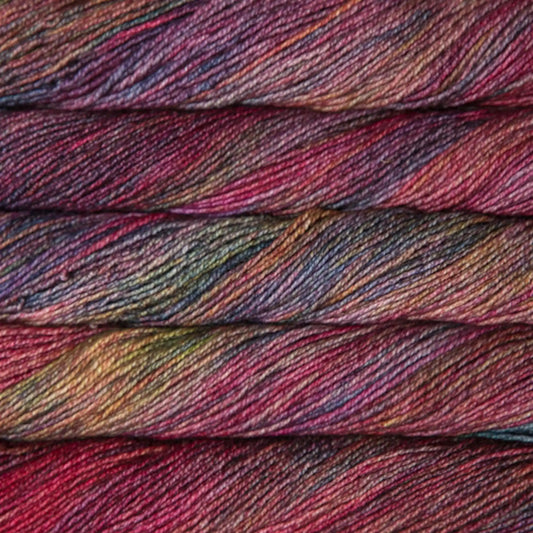
Malabrigo Dos Tierras DK Yarn
Regular price $21.99 USDRegular price -

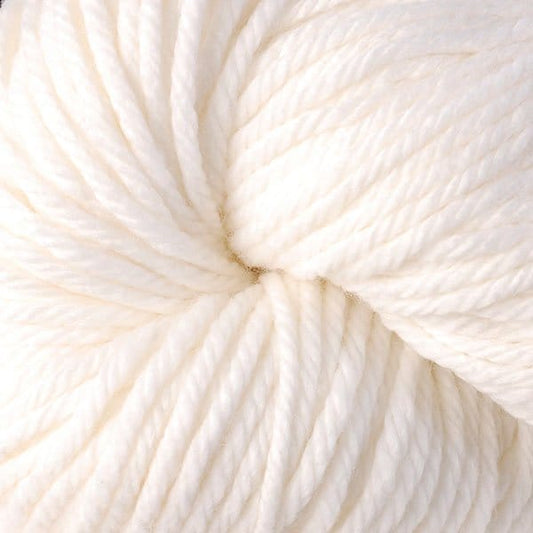
Berroco Vintage Chunky Yarn
Regular price $10.49 USDRegular price$0.00 USDSale price $10.49 USD -

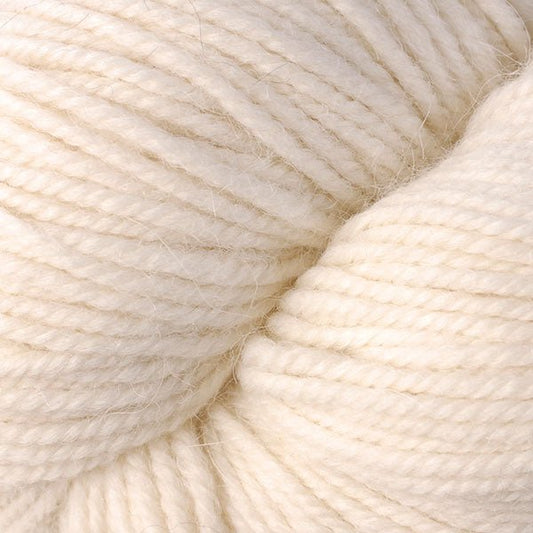
Berroco Ultra Alpaca Worsted Yarn
Regular price $15.99 USDRegular price$0.00 USDSale price $15.99 USD -


Cascade Heritage Superwash Wool Fingering Yarn
Regular price $11.99 USDRegular price -

Cascade Nifty Cotton Worsted Yarn
Regular price $7.99 USDRegular price -

Malabrigo Silky Merino DK Yarn
Regular price $10.99 USDRegular price -

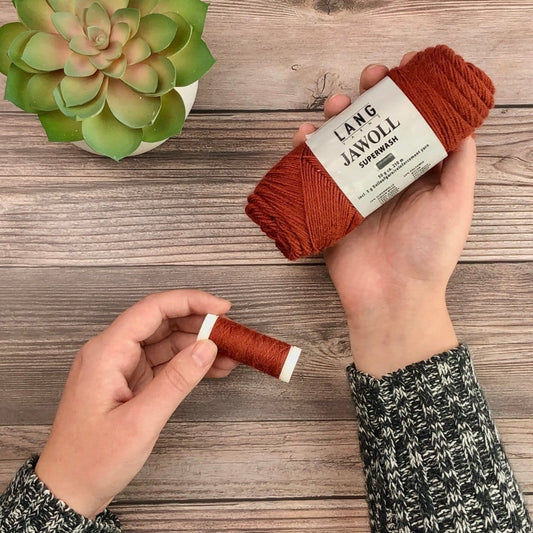
Lang Jawoll Fingering Yarn
Regular price From $10.50 USDRegular price -
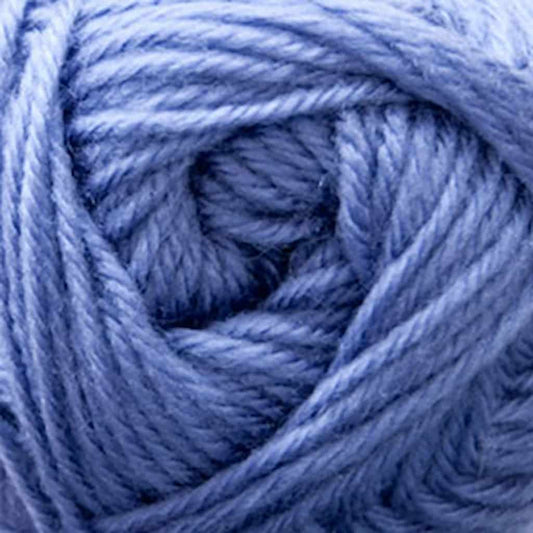
Cascade Cherub DK Yarn
Regular price $3.24 USDRegular price -

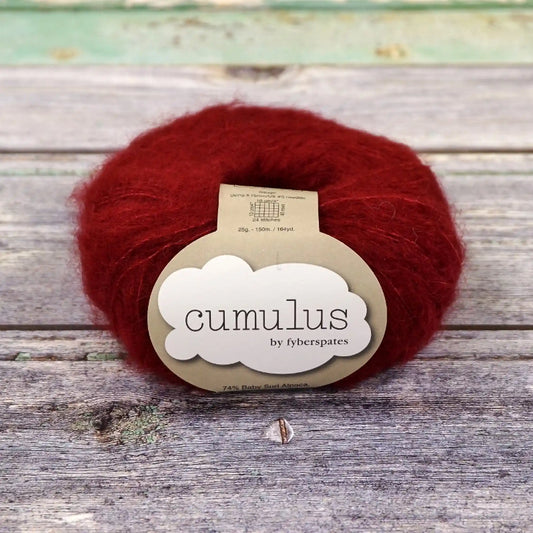
Fyberspates Cumulus Yarn
Regular price $11.99 USDRegular price -

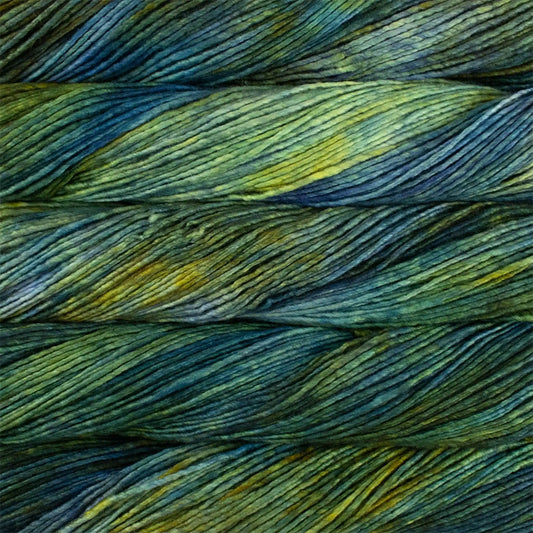
Malabrigo Worsted Yarn
Regular price $14.79 USDRegular price


Frequently Asked Questions
Black absorbs light, so the edges of each stitch disappear into each other. Good lighting from the front, light colored needles, and a pale surface behind your work make a big difference.
Black is one of the colors most likely to release some dye in the first wash, especially if it will be next to white in colorwork. Soak a swatch before you commit, and wash the finished piece in cool water with a color catcher.
It depends on the look you want. Charcoal heathers show cables and texture more clearly and hide lint better. True black looks crisper and dressier. Many knitters like charcoal for everyday wear and black for accessories.
A sticky, woolly yarn like Cascade 220 or Brown Sheep Nature Spun holds floats in place and blocks evenly. Pair it with light contrast colors so the pattern reads clearly.
Quality black wool fades very slowly. Hot water, harsh detergents, and sun drying speed it up. Wash cool, dry flat in the shade, and it will stay dark for years.