
Extrafine 19 Micron Merino Top
Extrafine 19 micron merino wool top in multi-colored and undyed colorways, sold by the ounce. Mulesing-free combed top for spinning, felting, and blending.
-

Autumnal - Extrafine Multi-Colored Merino Top
Regular price $4.95 USDRegular price -
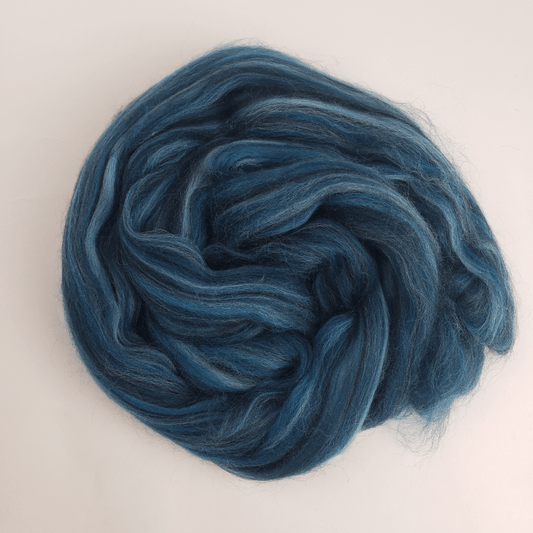
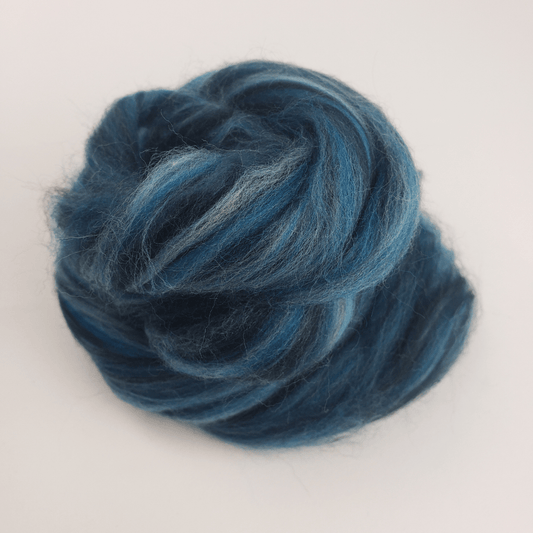
Blue Morpho - Extrafine Multi-Colored Merino Top
Regular price $4.74 USDRegular price -

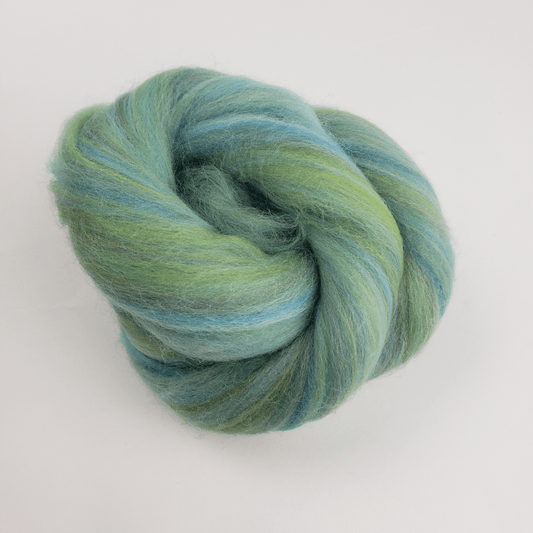
Luna Moth - Extrafine Multi-Colored Merino Top
Regular price $6.14 USDRegular price -

Erebid Moth - Extrafine Multi-Colored Merino Top
Regular price $6.14 USDRegular price -
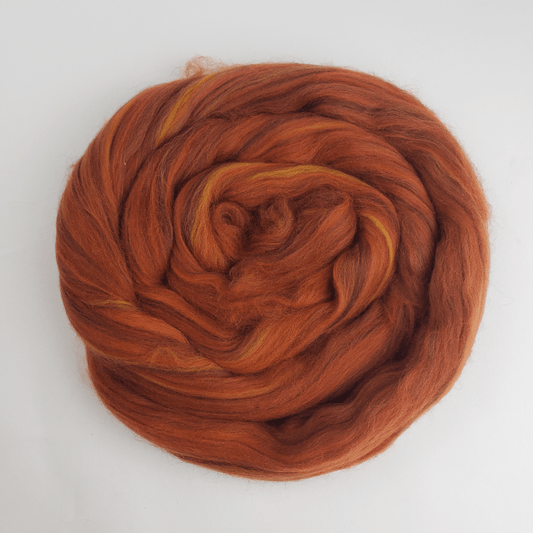
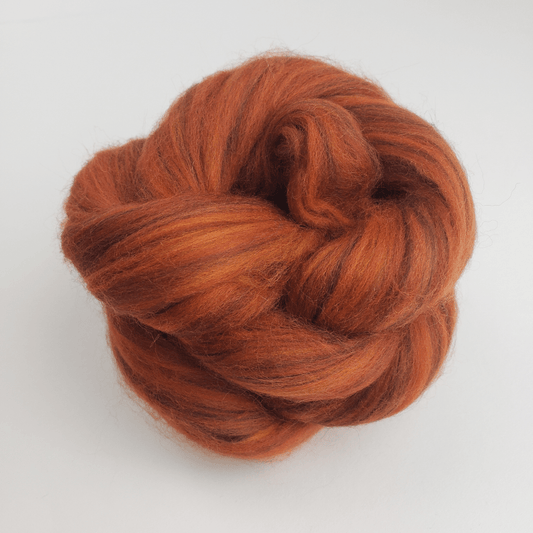
Monarch Butterfly - Extrafine Multi-Colored Merino Top
Regular price $3.53 USDRegular price -
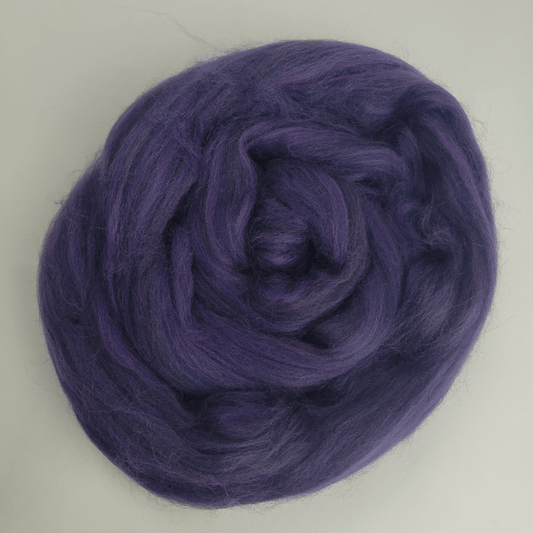
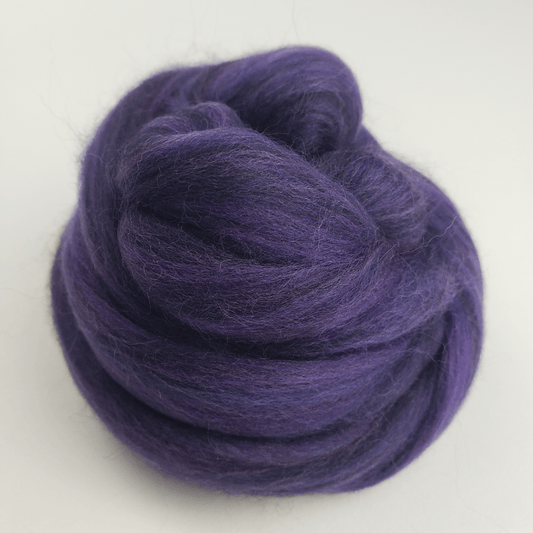
Purple Emperor - Extrafine Multi-Colored Merino Top
Regular price $6.14 USDRegular price -
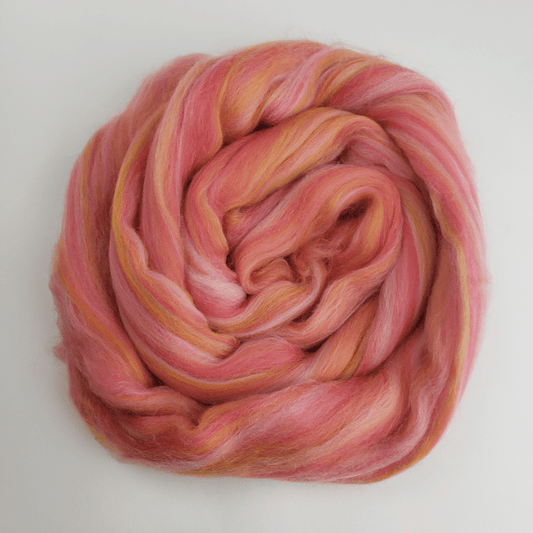
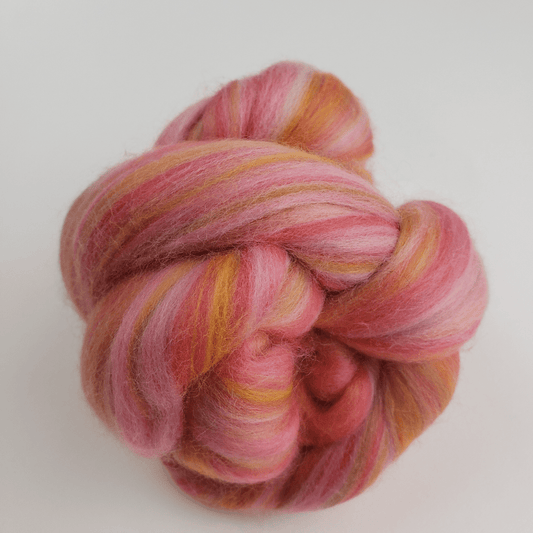
Rosy Maple Moth - Extrafine Multi-Colored Merino Top
Regular price $6.14 USDRegular price -
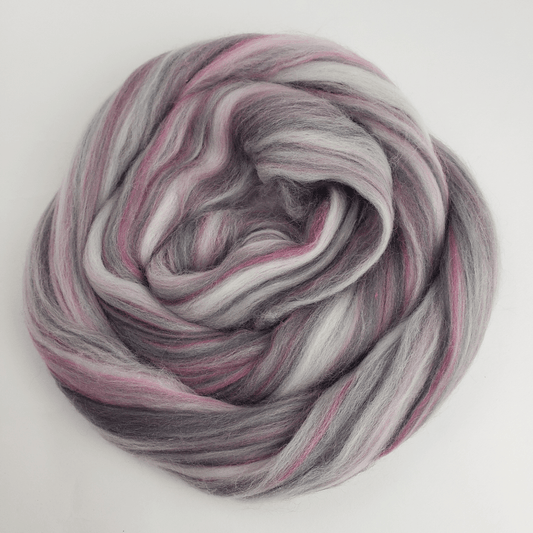
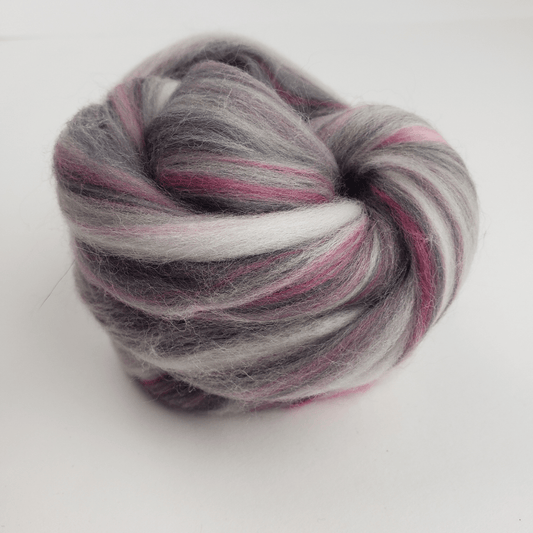
Hawkmoth - Extrafine Multi-Colored Merino Top
Regular price $5.11 USDRegular price -

Paradise Fibers Multi Merino Wool Top Blend - Whitest White
Regular price $4.38 USDRegular price -

Paradise Fibers Multi Merino Top Blend - Azure
Regular price $4.95 USDRegular price -

Paradise Fibers Multi Merino Top Blend - Rouge
Regular price $4.95 USDRegular price -

Paradise Fibers Multi Merino Top Blend - Marmalade
Regular price $4.95 USDRegular price -

Paradise Fibers Multi Merino Top Blend - Zest
Regular price $4.95 USDRegular price -
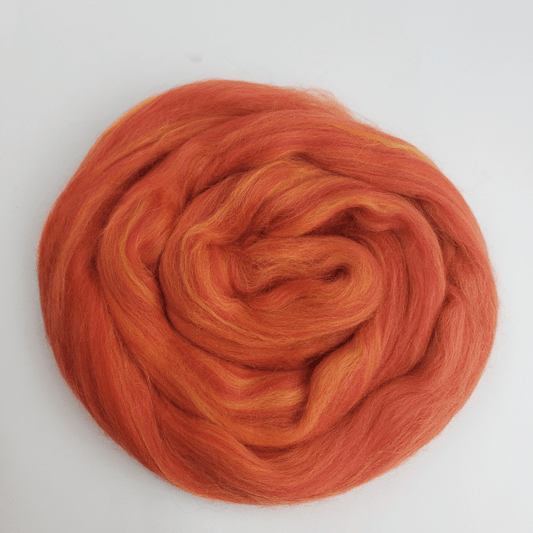
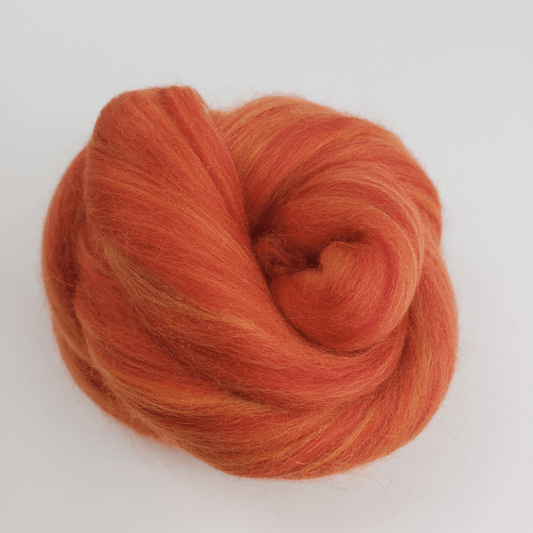
Tiger Moth - Extrafine Multi-Colored Merino Top
Regular price $4.43 USDRegular price -

Paradise Fibers Multi Merino Top Blend - Nermal
Regular price $4.95 USDRegular price -

Paradise Fibers Multi Merino Top Blend - Gigi
Regular price $4.95 USDRegular price -

Paradise Fibers Multi Merino Top Blend - Meadow
Regular price $4.95 USDRegular price -

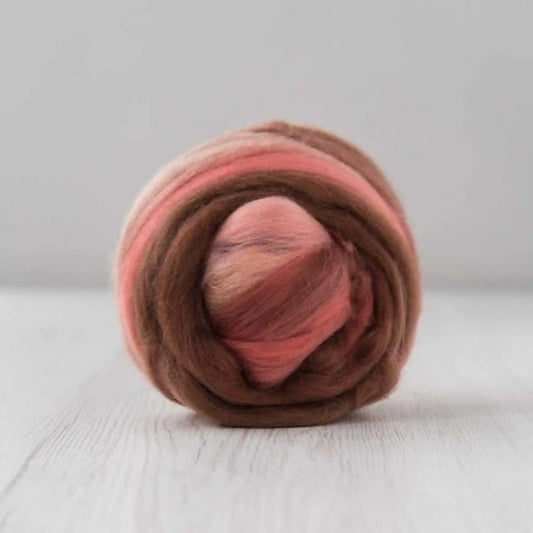
Paradise Fibers Extrafine Multi-Colored Merino Top- Rosewood
Regular price $4.95 USDRegular price -

Paradise Fibers Multi Merino Top Blend - Ethereal
Regular price $4.95 USDRegular price -

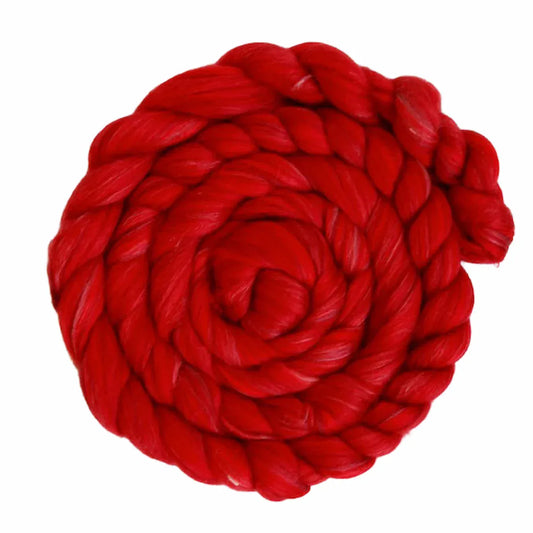
Flamenco - Superfine Multi Merino Top Blend Paradise Fibers
Regular price $3.99 USDRegular price -

Paradise Fibers Multi Merino Top Blend - Clockwork
Regular price $4.95 USDRegular price -

Oak Eggar - Extrafine Multi-Colored Merino Top
Regular price $5.95 USDRegular price -

Paradise Fibers Multi Merino Top Blend - Earthen
Regular price $4.95 USDRegular price -

Copper Underwing - Extrafine Multi-Colored Merino Top
Regular price $5.95 USDRegular price -

Large Emerald - Extrafine Multi-Colored Merino Top
Regular price $5.95 USDRegular price -

Magpie Moth - Extrafine Multi-Colored Merino Top
Regular price $5.95 USDRegular price -

Peach Blossom - Extrafine Multi-Colored Merino Top
Regular price $5.95 USDRegular price -

Pale Brindled Beauty - Extrafine Multi-Colored Merino Top
Regular price $5.95 USDRegular price -

Clouded Buff - Extrafine Multi-Colored Merino Top
Regular price $5.95 USDRegular price -

Miller Moth - Extrafine Multi-Colored Merino Top
Regular price $5.95 USDRegular price


Frequently Asked Questions
Several related colors drafted together give a yarn with depth in it, one that shifts as the light moves across it. A single dye tends to read flat. How far the colors mix depends on your grist and ply, which is why we suggest a sample first.
At 19 micron most spinners wear it straight against the neck. It also keeps merino's crimp, so the yarn holds its memory and ribbing snaps back. Spun worsted from the end it goes denser, with more drape than spring.
Extra fine, or superfine depending on the mill. What matters is the number. This is 19 micron, against the 23 that most merino top runs, ours included, and four microns sounds like nothing until you have the two side by side.
On the multis, no. Each colorway is separate solid dyed tops laid side by side and gilled together, so the colors run the full length in their own lanes. Spin eight ounces whole and the last skein still matches the first.
Yes. Peel the top open lengthwise and they come apart cleanly enough, though it takes patience. Worth knowing first: no two strips carry quite the same mix, so once you split, the eight ounce match is gone. Split when you want the colors to show.
Carding works, and it blends the colors into a true heather that optically mixes. It is a one way trip: once carded they cannot be peeled apart again. Card it because the heather is what you want, not to rescue a patchy sample.
Not in the top. They were dyed separately as solid colors and combined dry, so they never sat wet against each other. In the finishing wash, rinse cool until the water runs clear. Warm water loosens loose dye, and a cream is where it would show.
Fine merino drafts slowly, so twist gets ahead of your hands and the singles come out wiry. Most spinners want to ease off the treadle or draft a little quicker, though it depends on your wheel's ratios.
If you are plying, the singles should still want to curl on themselves when a length hangs slack, because plying takes some of that twist back out. For a singles used on its own, spin it to hang close to straight.
Either. Worsted from the end spins dense with drape. From the fold it goes lofty and springy, and it is the easier of the two on fiber this fine.
That depends entirely on how fine you spin. As a two ply, four ounces lands around 250 to 400 yards at sport to DK, and considerably more spun finer. Weigh and measure your sample if you are matching a pattern.
Yes, it felts, and it is popular for both wet and needle felting. It is not superwash. Hand wash finished yarn cool, without agitating it.
Yes. All of it is mulesing-free, sourced from flocks where the practice is not used.
By the ounce, cut as one continuous length, roughly 4 feet per ounce. A four ounce order arrives as one piece rather than four.
The cost is in the dyeing and the gilling rather than the grade. Each color is dyed as its own solid top first and then combined, which takes more work than dyeing one top a single color.
Yes. These are standing colorways we restock, not one-off runs. Whatever you order comes as one continuous length rather than pieced together, so a big project spins from one piece.