
Shop Spinning Wheels By Brand
Whether it's your first wheel or your fifth, we'll help you find the right one. We stock the parts, do the repairs in-house, and have been Spokane's spinning shop since 1997. To try one in person, call ahead so we can have it ready: 509-536-7746.
-

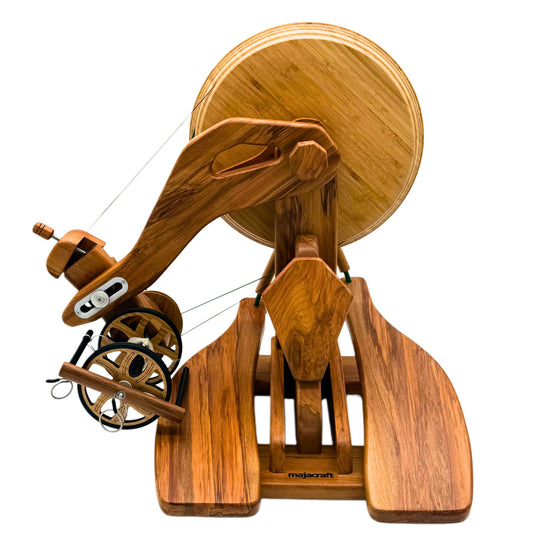
Majacraft Aura Spinning Wheel
Regular price $1,925.00 USDRegular price -


Kromski Fantasia Spinning Wheel
Regular price From $699.00 USDRegular price -
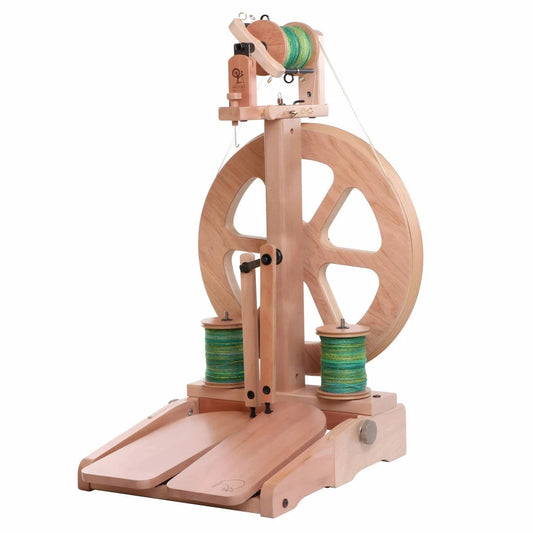

Ashford Kiwi 3 Spinning Wheel
Regular price From $629.00 USDRegular price -

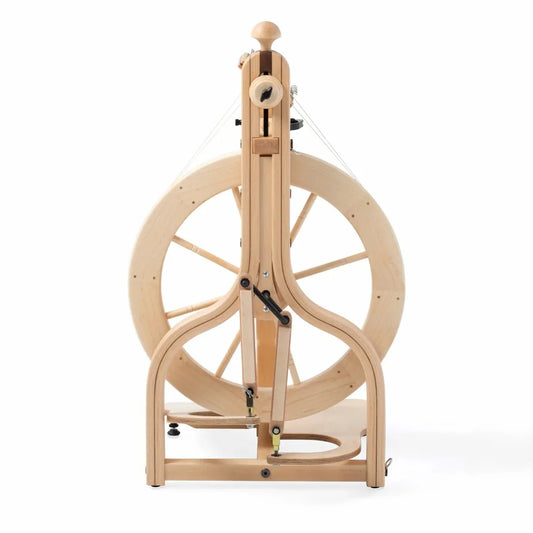
Schacht Matchless Double Treadle Spinning Wheel
Regular price $1,825.99 USDRegular price -

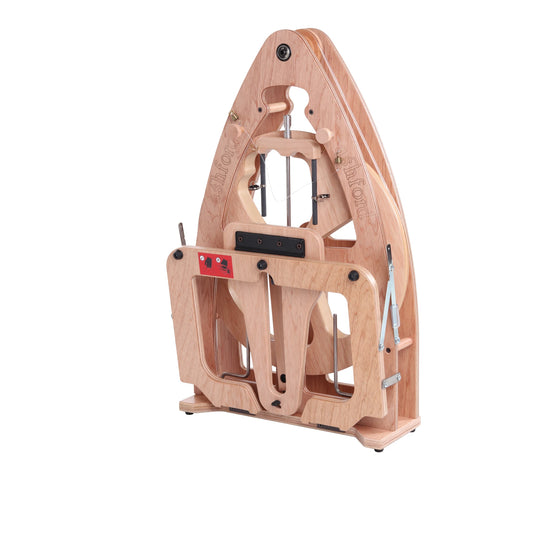
Ashford Joy 2 Spinning Wheel
Regular price From $1,039.00 USDRegular price -

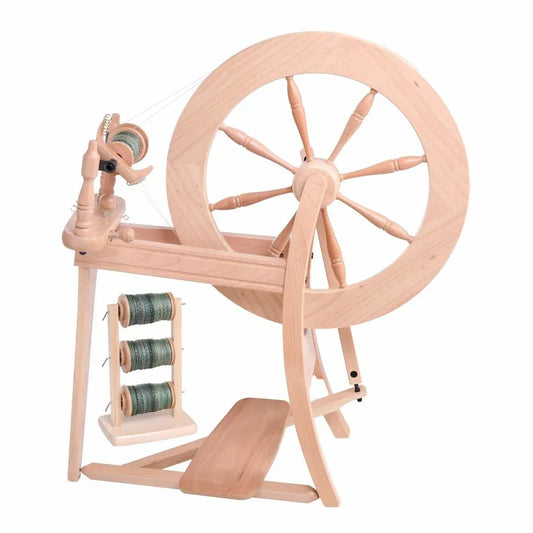
Ashford Traditional Spinning Wheel
Regular price From $829.00 USDRegular price -

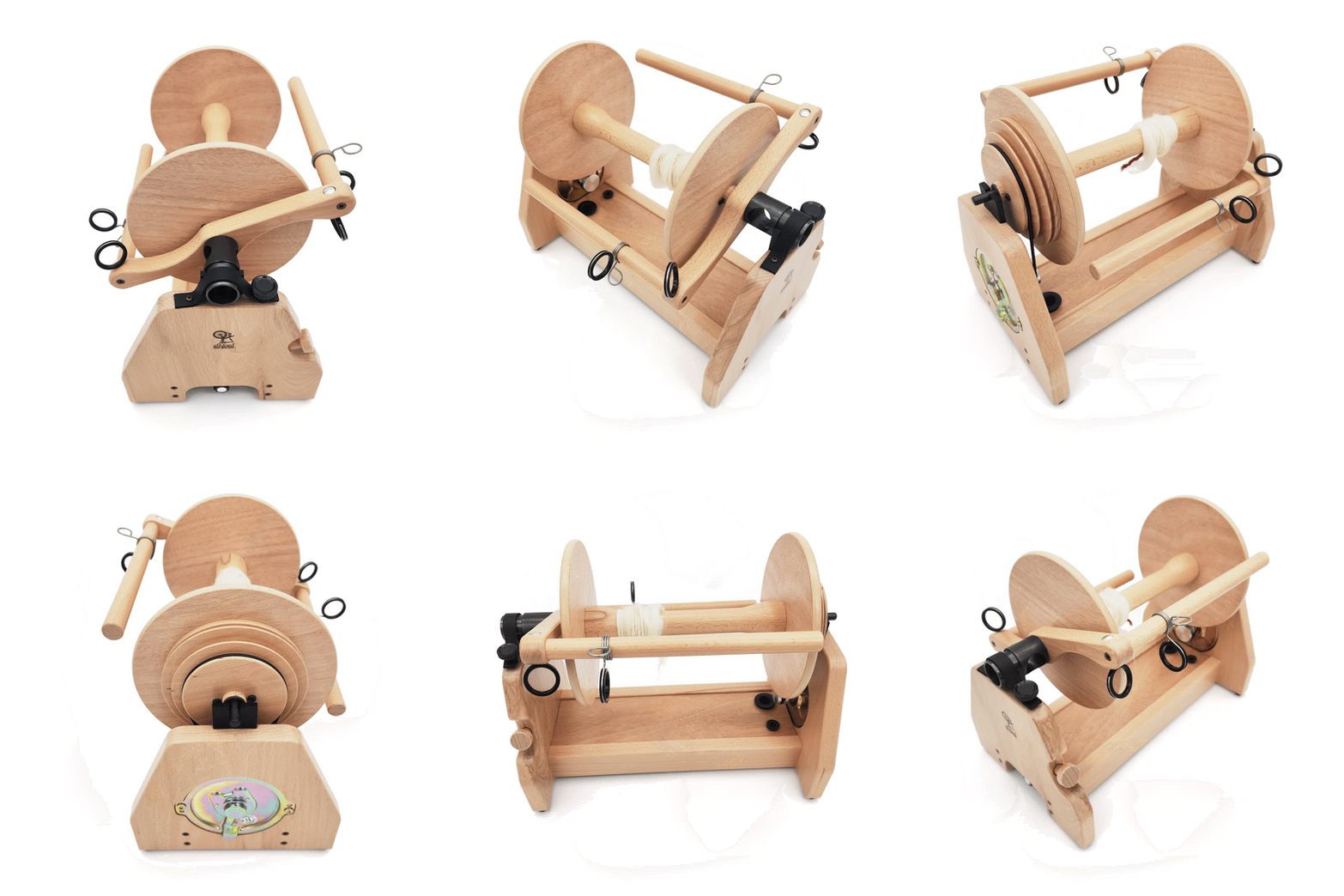
Ashford Electric Spinner - Super Jumbo
Regular price $1,079.00 USDRegular price -

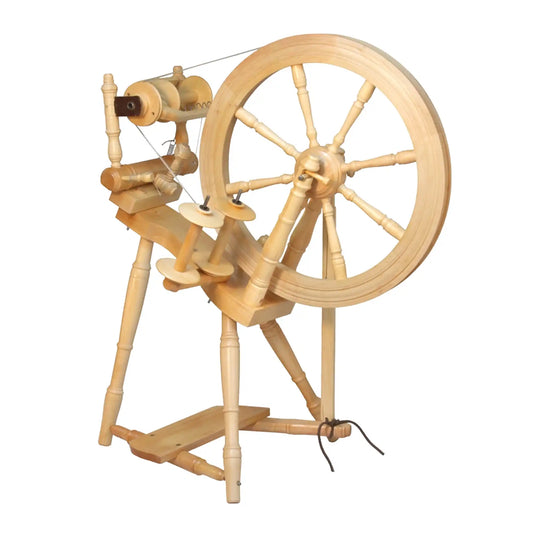
Kromski Prelude Spinning Wheel
Regular price From $709.00 USDRegular price -

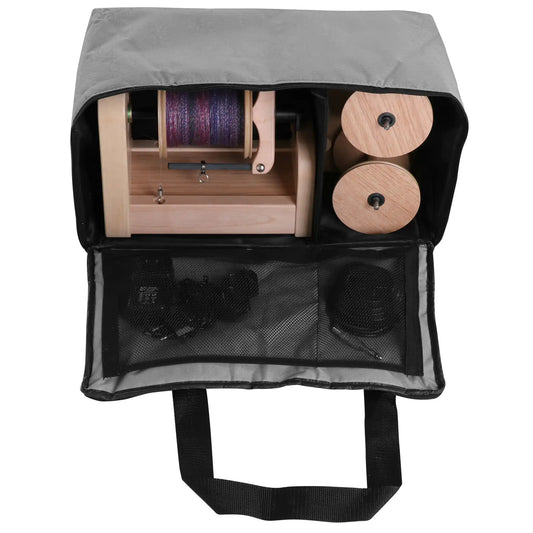
Ashford e-Spinner 3 Electric Spinning Wheel
Regular price $899.00 USDRegular price -

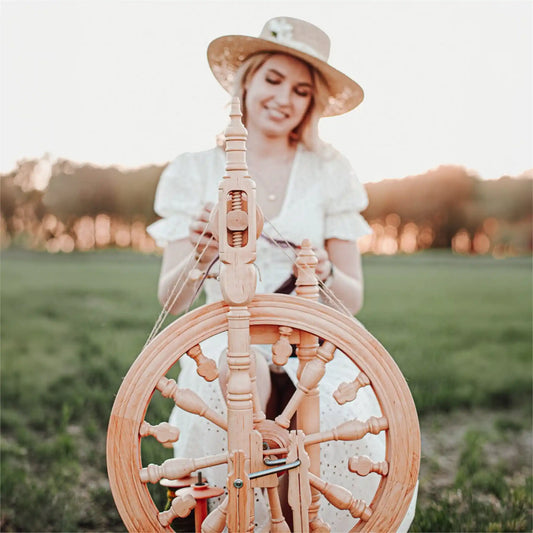
Kromski Minstrel Spinning Wheel
Regular price From $969.00 USDRegular price -

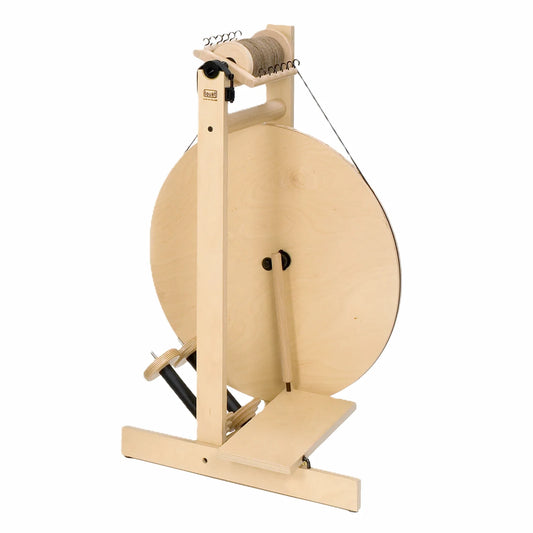
Louet S17 Spinning Wheel
Regular price From $408.00 USDRegular price -

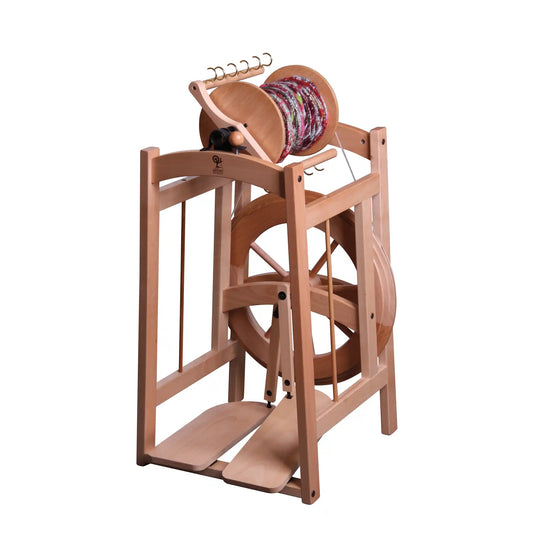
Ashford Country Spinner 2 Spinning Wheel
Regular price From $939.00 USDRegular price -

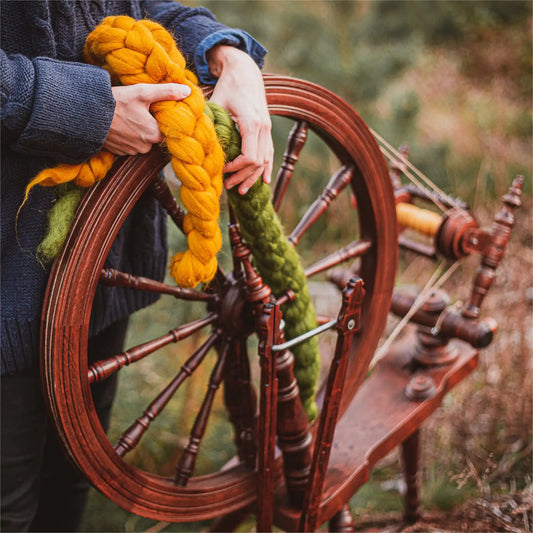
Kromski Symphony Spinning Wheel
Regular price From $1,089.00 USDRegular price -

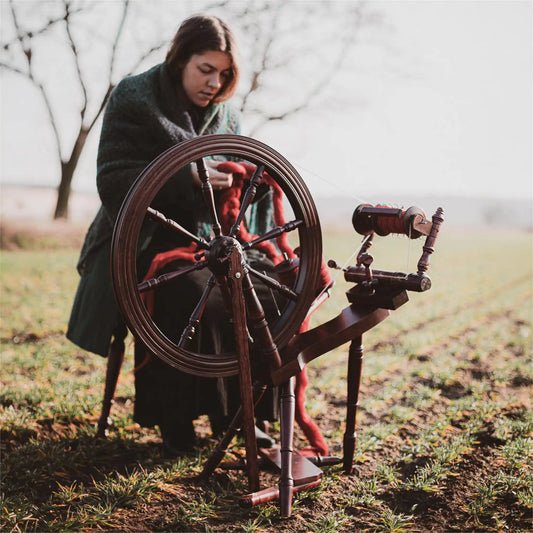
Kromski Interlude Spinning Wheel
Regular price From $799.00 USDRegular price -

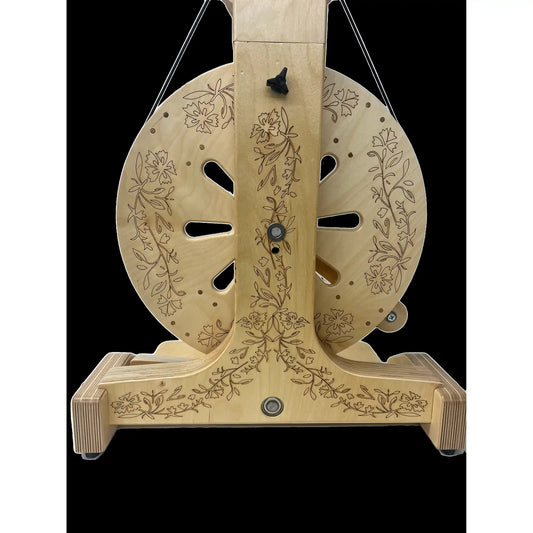
SpinOlution Echo Spinning Wheels
Regular price From $745.00 USDRegular price -
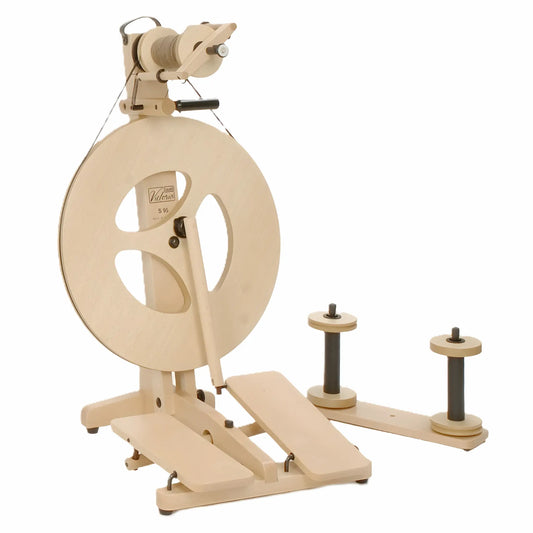
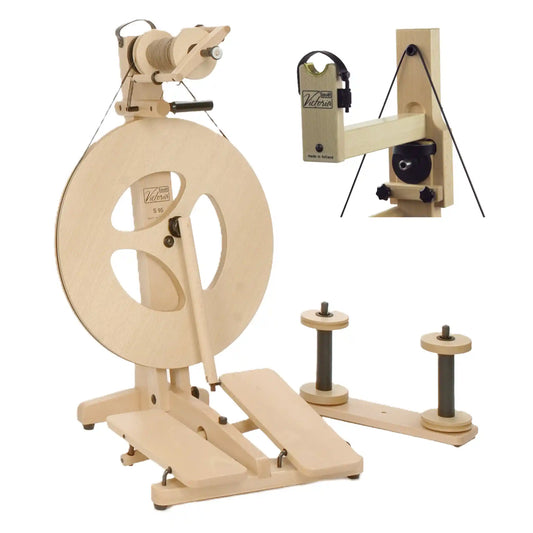
Louet Victoria S95 - Beech Spinning Wheel
Regular price $1,032.00 USDRegular price -

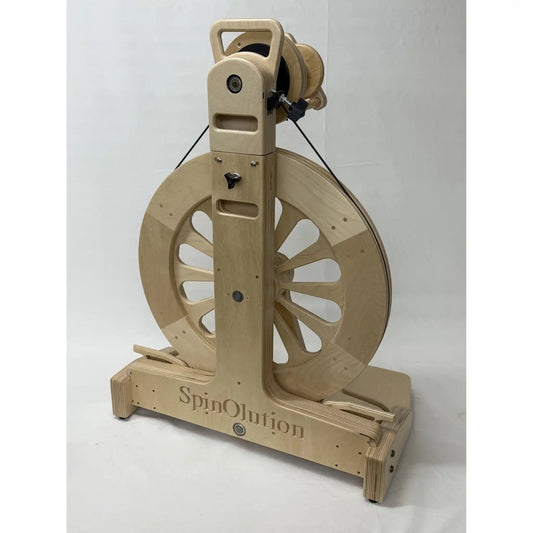
SpinOlution Monarch Spinning Wheels
Regular price From $1,445.00 USDRegular price -
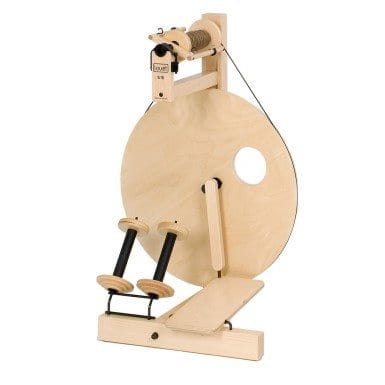
Louet S10 Classic Single Treadle Spinning Wheel
Regular price $823.00 USDRegular price -
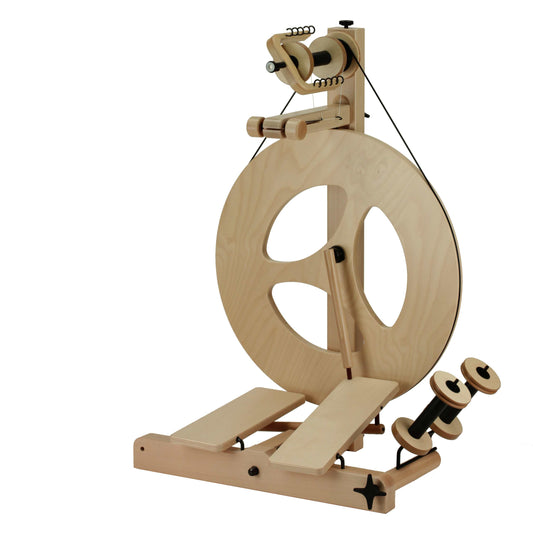
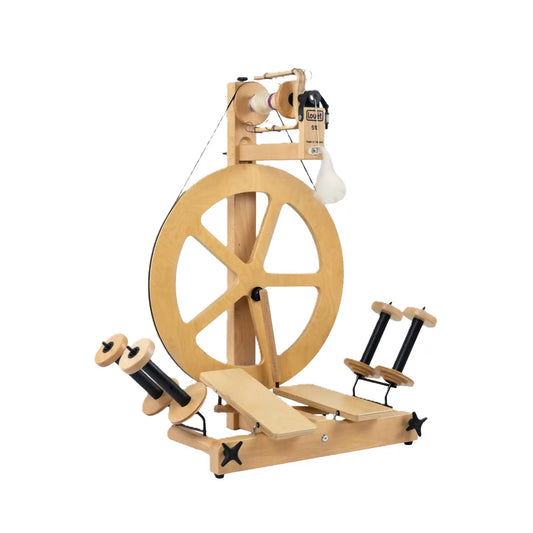
Louet S10 Concept Spinning Wheel - Scotch Tension, Double Treadle, 3 Spoke
Regular price $1,078.00 USDRegular price -

Louet S10 Concept Spinning Wheel - Fully Loaded Package
Regular price $2,117.00 USDRegular price$2,900.00 USDSale price $2,117.00 USDSold out -

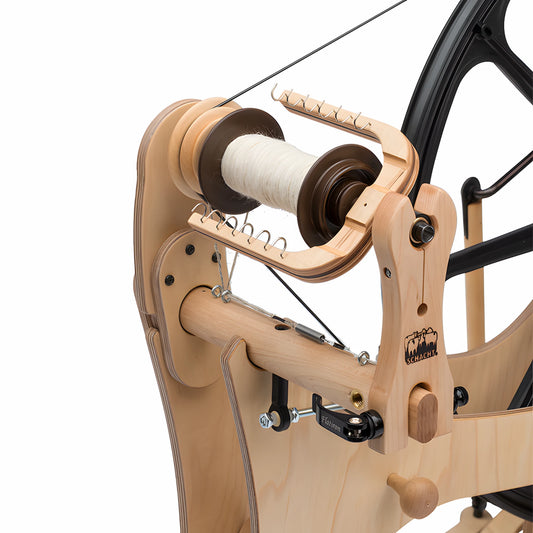
Schacht Flatiron Spinning Wheel
Regular price $1,137.99 USDRegular price -

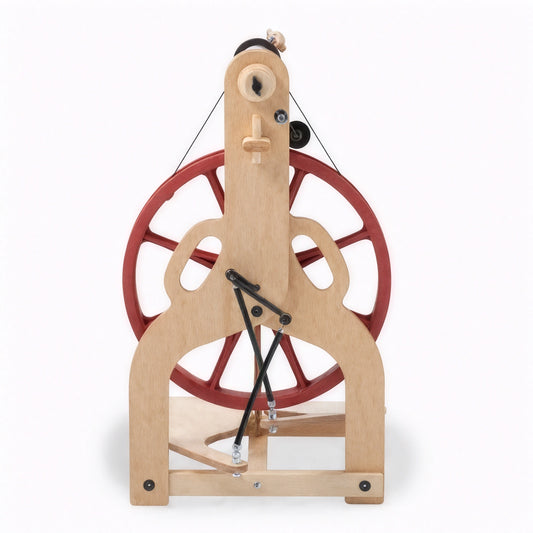
Schacht Ladybug Spinning Wheel
Regular price $1,046.99 USDRegular price -

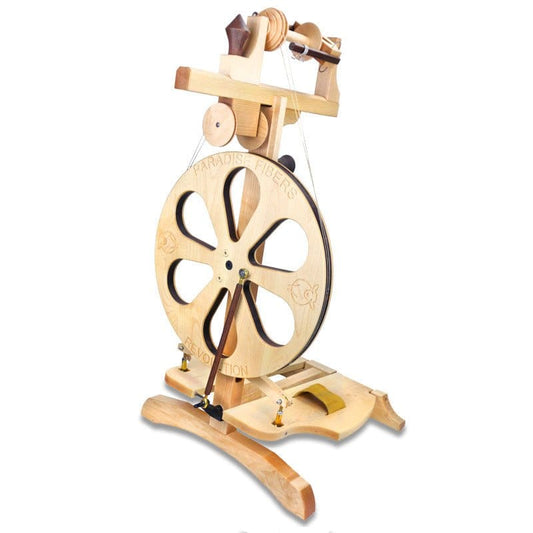
Paradise Fibers Revolution Spinning Wheel Complete Package
Regular price $2,995.00 USDRegular price$0.00 USDSale price $2,995.00 USDSold out -

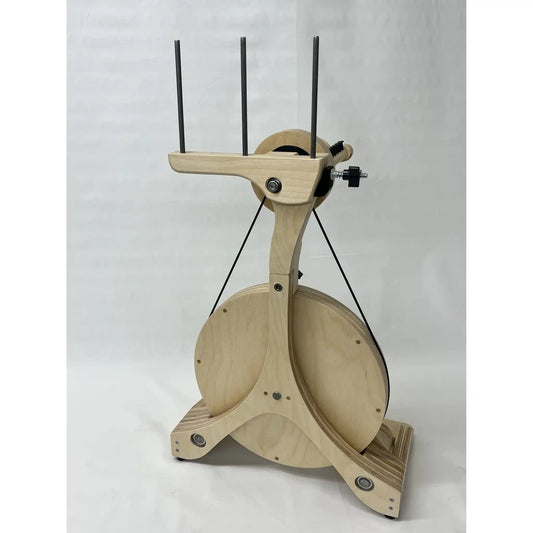
SpinOlution Pollywog Spinning Wheels
Regular price From $495.00 USDRegular price -

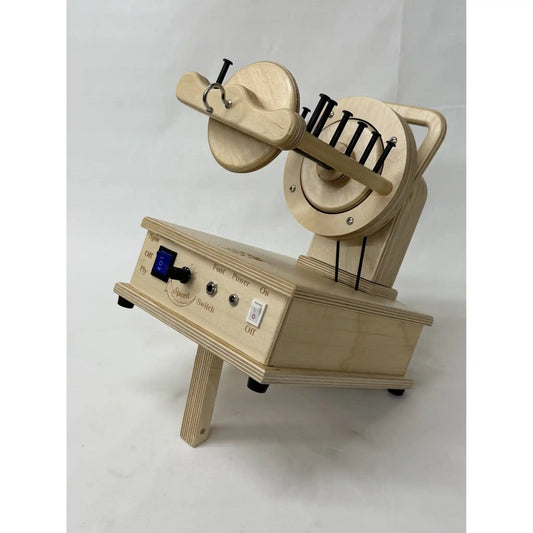
SpinOlution Firefly Electric Spinning Wheels
Regular price From $999.00 USDRegular price -

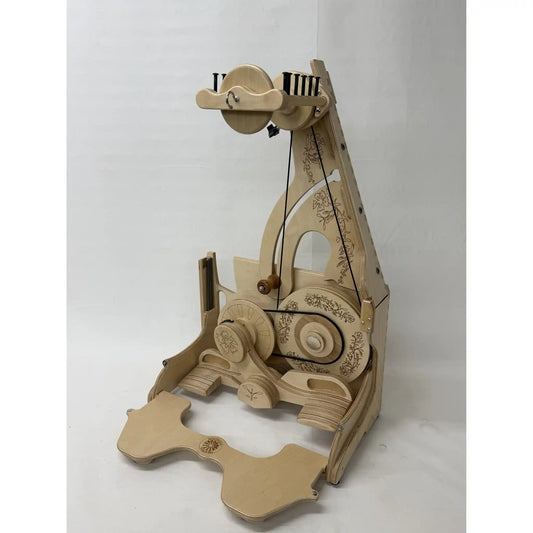
SpinOlution Bee Spinning Wheels
Regular price From $995.00 USDRegular price -

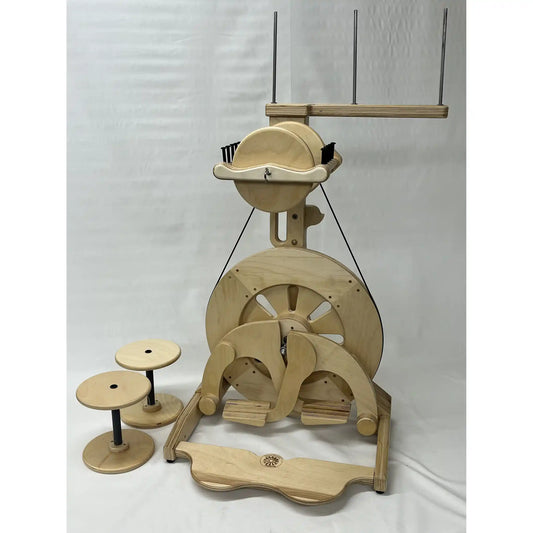
SpinOlution Bullfrog Spinning Wheels
Regular price $995.00 USDRegular price -

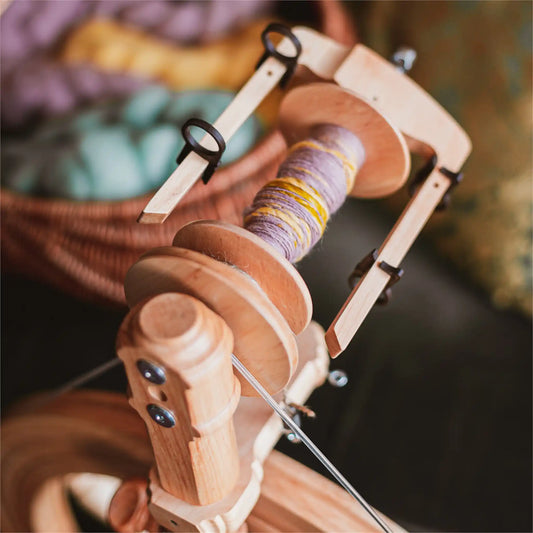
Kromski Sonata Encore Spinning Wheel
Regular price From $1,099.00 USDRegular price -

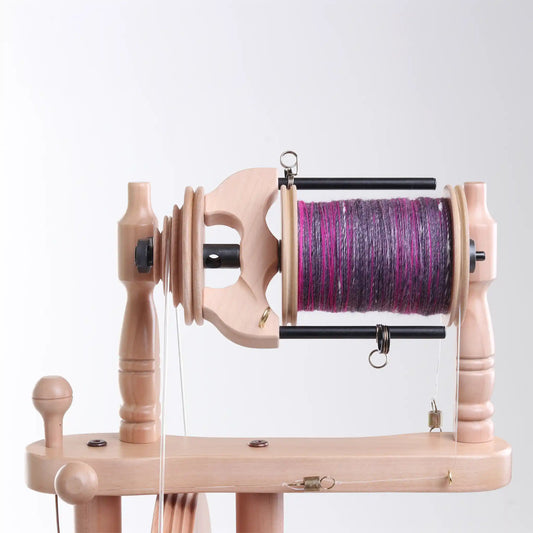
Ashford Traveller 3 Spinning Wheel
Regular price From $859.00 USDRegular price -

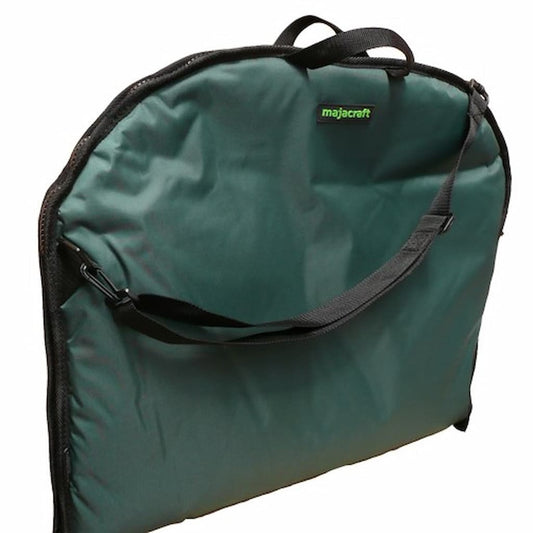
Majacraft Little Gem Spinning Wheel
Regular price $1,465.00 USDRegular price -

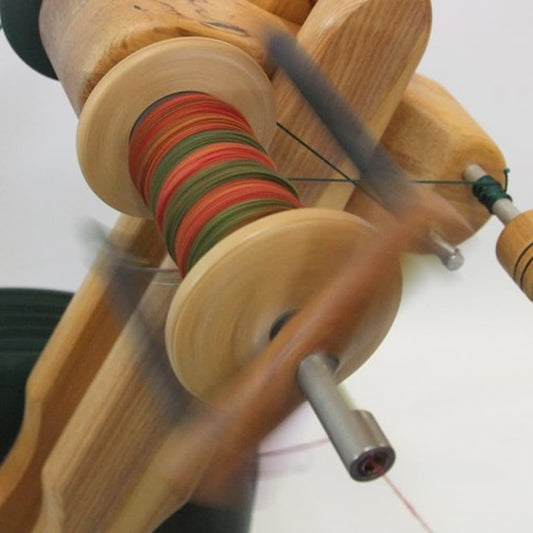
Majacraft Suzie Professional Spinning Wheel
Regular price $1,675.00 USDRegular price -

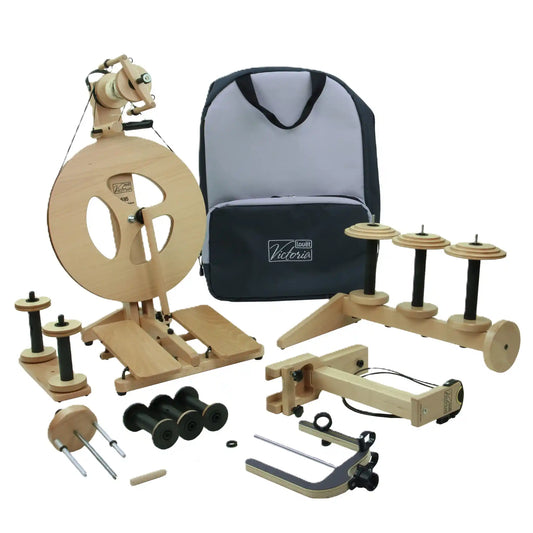
Louet Victoria S95 Beech Fully Loaded Spinning Wheel Package
Regular price $2,067.00 USDRegular price$2,705.00 USDSale price $2,067.00 USDSold out -

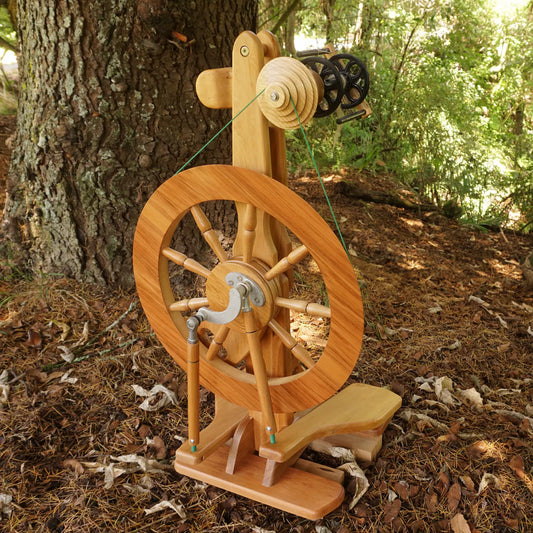
Majacraft Rose Spinning Wheel
Regular price $1,700.00 USDRegular price -

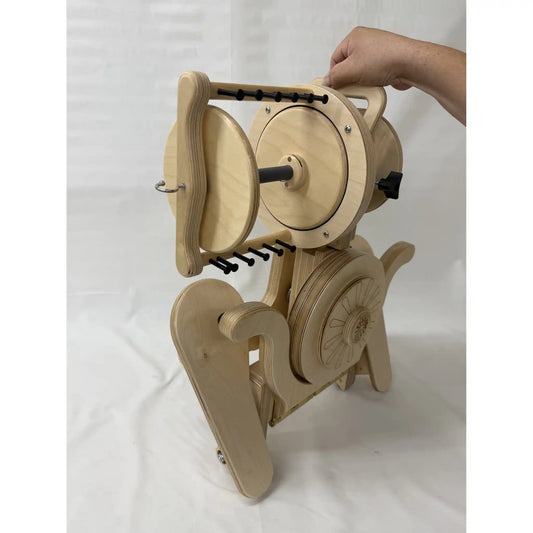
SpinOlution Hopper Spinning Wheels
Regular price From $1,145.00 USDRegular price -

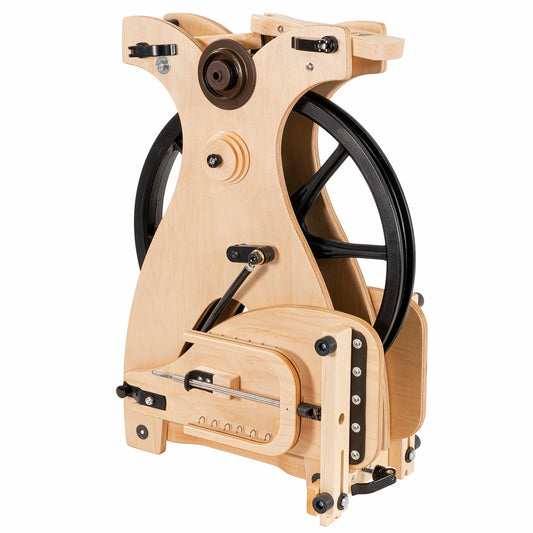
Schacht Sidekick Folding Spinning Wheel
Regular price $1,231.99 USDRegular price -

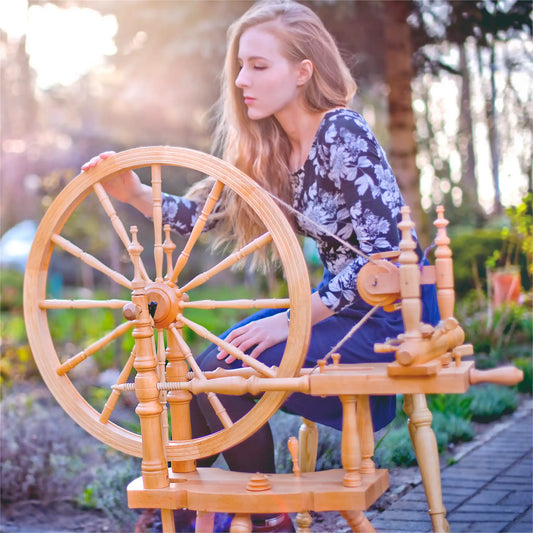
Kromski Polonaise Spinning Wheel
Regular price From $1,199.00 USDRegular price


Frequently Asked Questions
For a first wheel, the most important qualities are ease of setup, adjustability, and mechanical simplicity. You want a wheel that lets you focus on learning the drafting and treadling technique without fighting the equipment. Single drive wheels with scotch tension are widely recommended for beginners because they are forgiving and easy to adjust. Key things to look for include a smooth treadle action, easy whorl changes for adjusting your ratio, and a sturdy, stable build that does not wobble while you work. Brands like Ashford, Schacht, and Kromski all make excellent beginner friendly wheels, and our team can help you compare them based on your specific goals and budget.
A drop spindle is a simple weighted tool that spins freely on a length of twisted fiber, using gravity and momentum to add twist to your drafting fiber. It is inexpensive, portable, and a great way to understand the fundamental concept of spinning. A spinning wheel automates the twist insertion process using a driven spindle and flyer system, allowing you to draft and spin more quickly and with greater control over the yarn you produce. You do not need to learn on a spindle before moving to a wheel - many people start directly on a wheel and do just fine. Spindle experience is valuable but not a prerequisite.
Most home spinning wheels have a footprint of roughly two by three feet, though the specific dimensions vary by model. Many popular wheels - including the Ashford Joy and several Schacht models - are designed to fold compactly for storage or travel, making them much more apartment and small home friendly than you might expect. Floor standing wheels are more stationary but can sit in a corner without taking up much active living space. If portability and compact storage are priorities for you, let us know and we can point you toward the foldable models that are best suited for smaller spaces.
Spinning wheels are mechanical tools and do require occasional maintenance, but it is not complicated or time consuming. The main tasks are oiling moving parts like the spindle bearings, maidens, and treadle pivots with a spinning wheel oil, keeping the drive band tensioned appropriately, and replacing drive bands and brake bands when they stretch or wear out. Drive bands typically last several months to a few years depending on use and can be replaced inexpensively. We have an in house wheel repair shop at our Spokane location where we can service, tune, and repair any wheel - a service that very few fiber arts retailers offer. If something goes wrong with your wheel, we are here to help you fix it.
Most spinning wheels can handle a wide range of fibers with relatively minor adjustments to tension, ratio, and orifice size. Wool is the most beginner friendly fiber and the natural starting point for new spinners. Cotton and other plant fibers can be spun on most wheels but require higher twist ratios and a more refined drafting technique. Silk, alpaca, angora, and exotic fibers like yak and qiviut can all be spun on a wheel and produce extraordinarily beautiful yarn. Some very fine or very coarse fibers benefit from specific wheel configurations, and our team can advise you on whether a particular wheel is well suited to the fibers you most want to work with.
Most people produce recognizable yarn within their very first session on a wheel, even if it is thick, thin, and irregular. Getting to a point where your yarn is consistent and controlled typically takes between a few weeks and a few months of regular practice, depending on how often you sit down at the wheel. Spinning rewards time at the wheel more than anything else - the more you do it, the faster your hands and feet develop the muscle memory for smooth drafting and even twist insertion. Classes help enormously for building a strong foundation, and we offer instruction at our Spokane shop for spinners at every level.
Single drive wheels use one drive band to power either the flyer or the bobbin, with the other component controlled by a separate braking mechanism. They are simpler to adjust, very forgiving for beginners, and cover the needs of most hand spinners beautifully. Double drive wheels use two drive bands, one for the flyer and one for the bobbin, running at different speeds to create a drawing-in action that helps wind yarn onto the bobbin automatically. Double drive gives experienced spinners more control over their take-up and is preferred by many fine spinners who want precision in their drafting. For a first wheel, single drive is almost universally recommended - the simplicity lets you focus on learning the fundamental skills without added complexity.
A drop spindle is a simple, inexpensive tool that teaches the fundamental concepts of drafting and twist insertion in their most basic form. Spinning on a wheel automates the twist insertion using a driven flyer system, which allows you to work faster and with more control once you have the coordination down. Learning on a spindle first is genuinely helpful because it gives you a feel for fiber and twist before adding the coordination of treadling, but it is not a prerequisite. Many people learn directly on a wheel and do very well. The most important thing is getting enough time on the wheel - spinning is a skill that develops through repetition more than anything else, and the sooner you start spinning, the sooner you improve.